
DSA Dazcat 1500 Build Portfolio
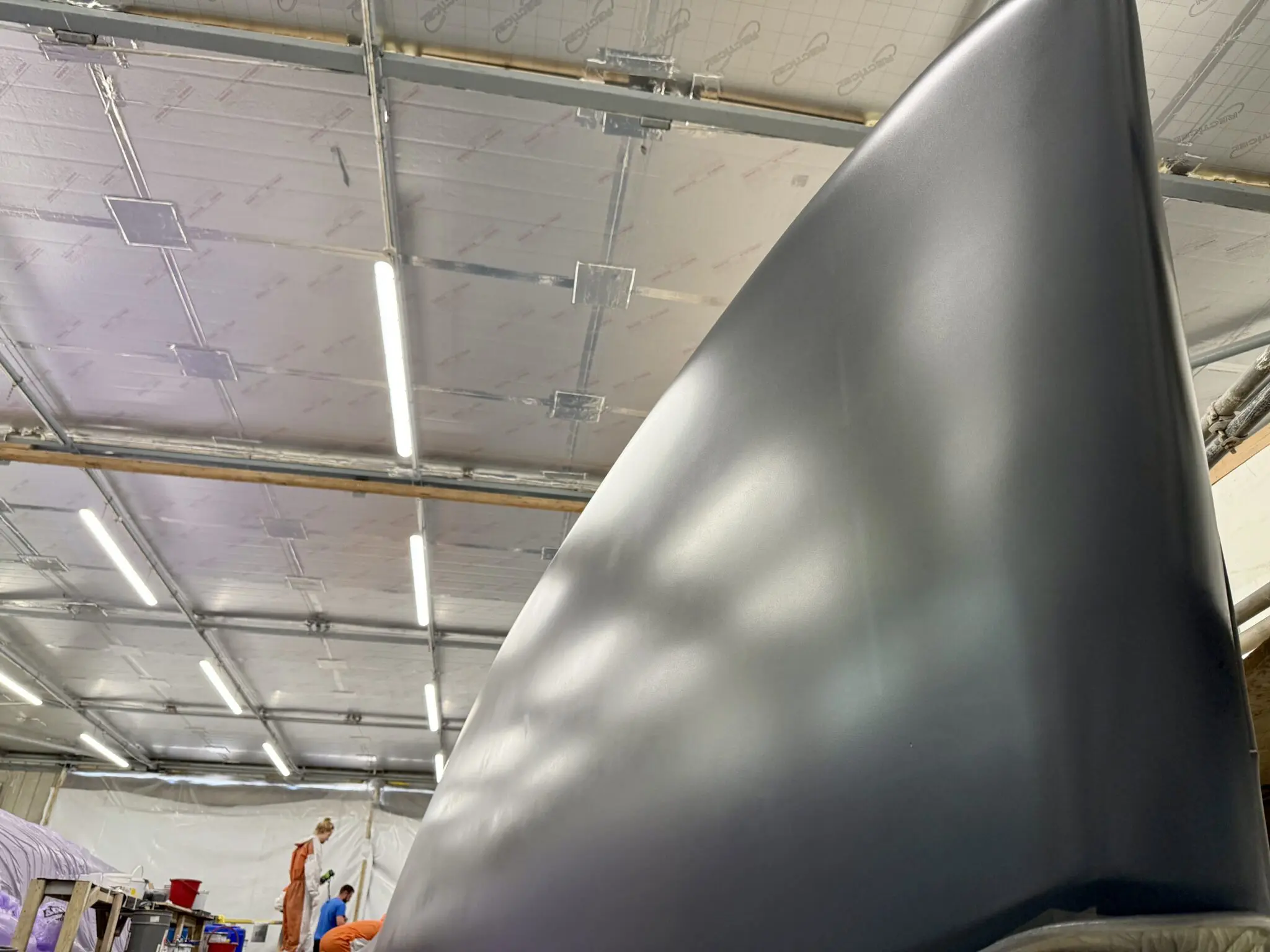
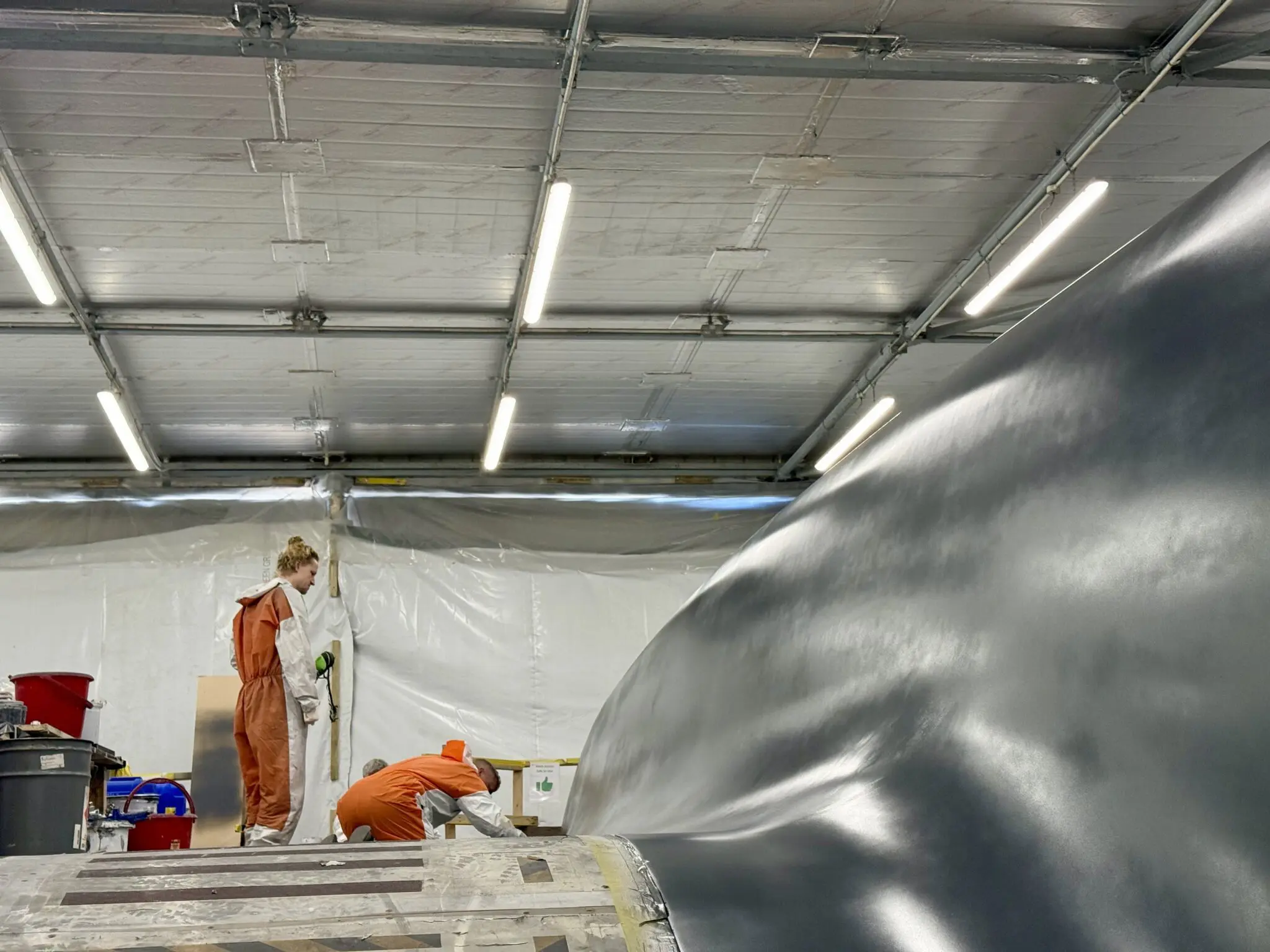
Built at the Multihull Centre in Cornwall, UK.Phase 1 - Building the Plugs & Moulds
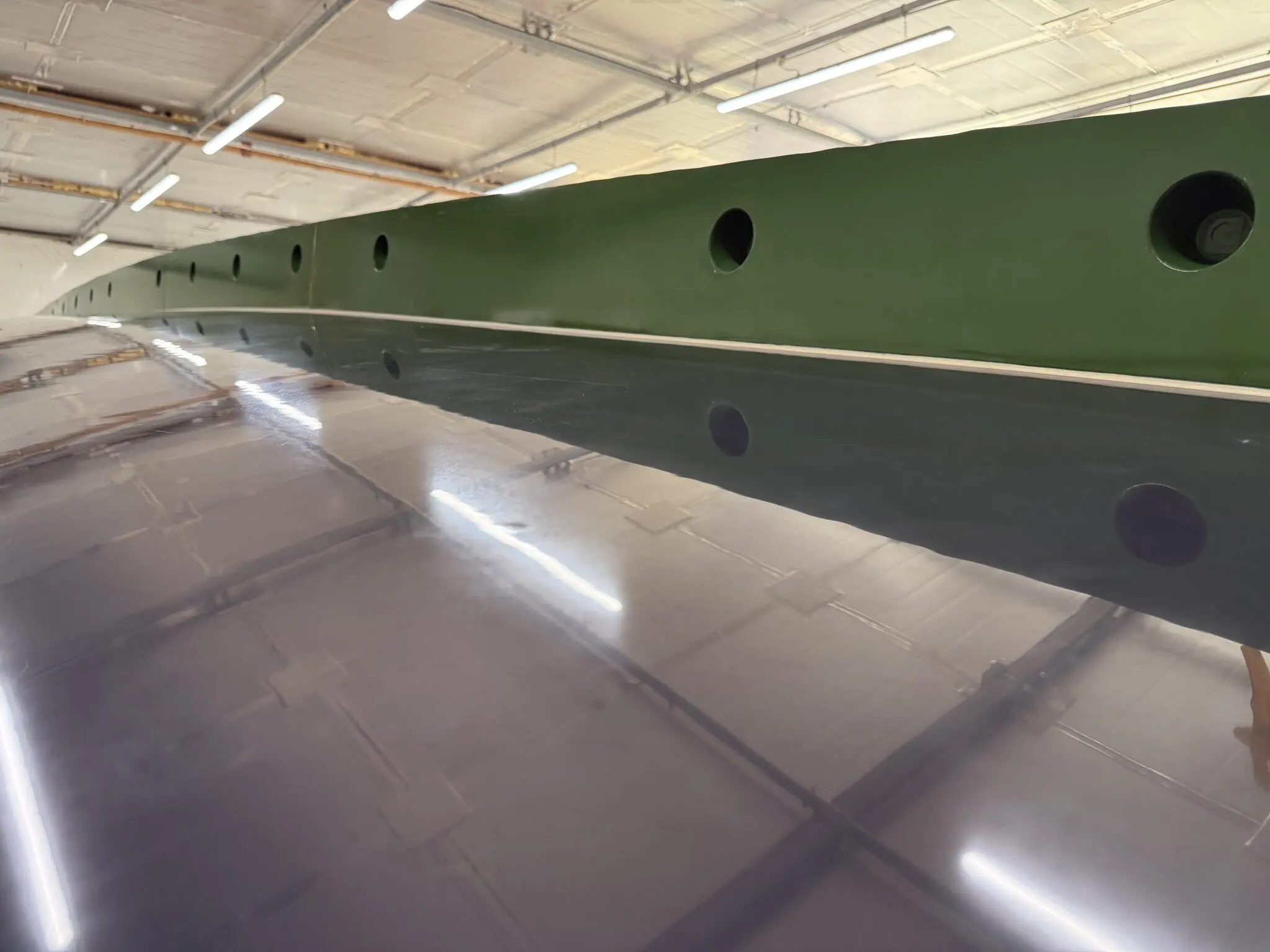
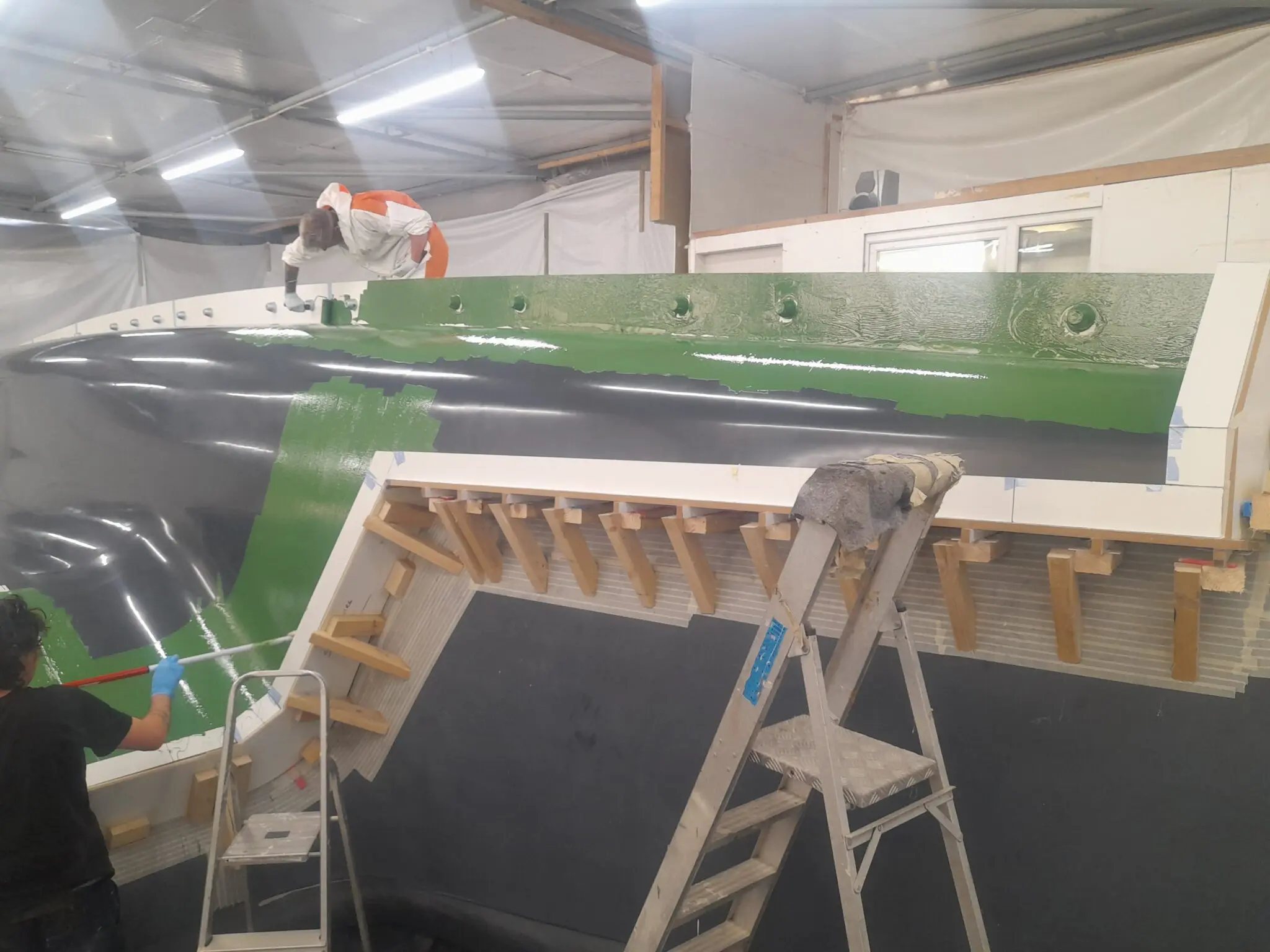
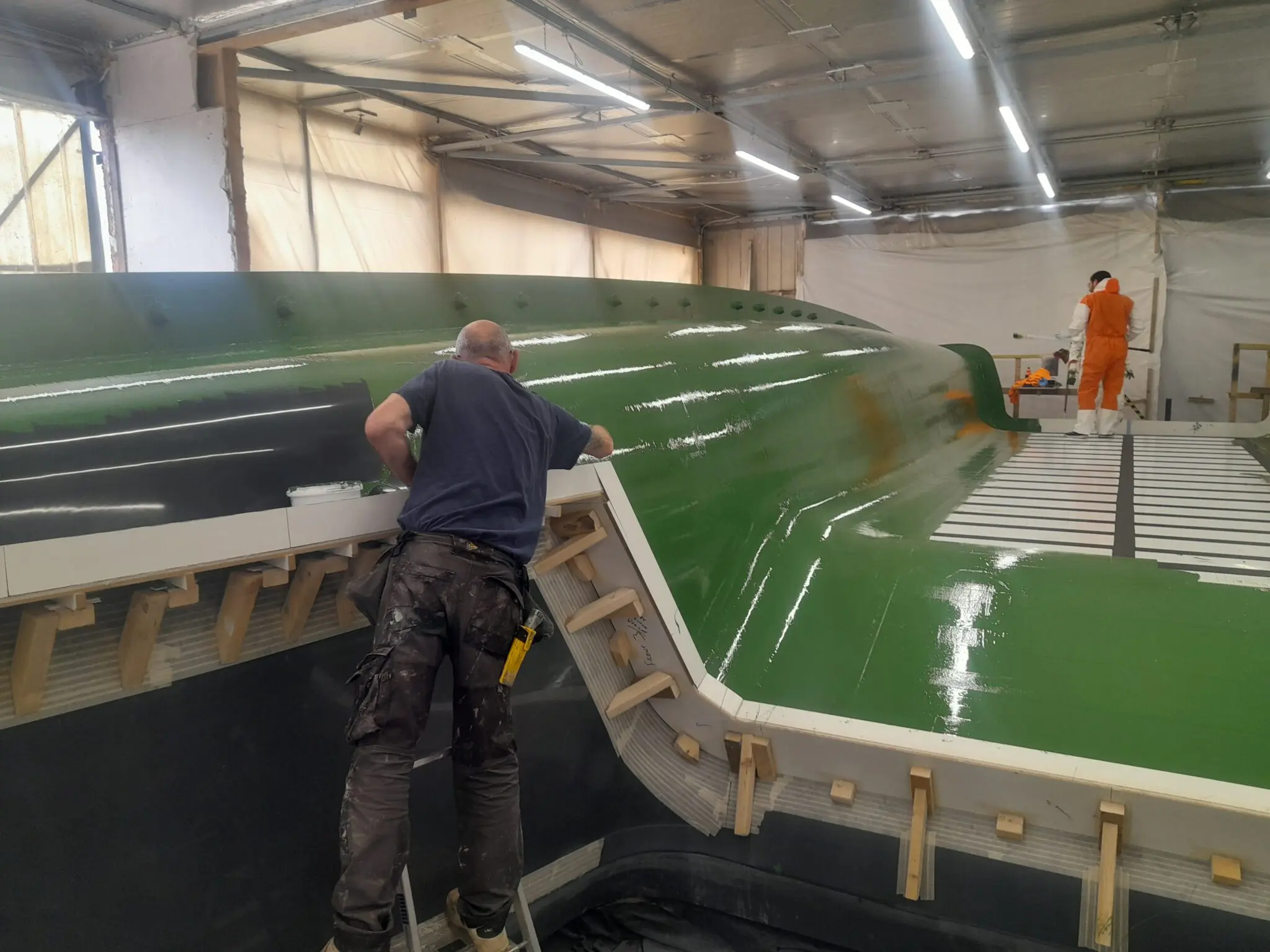
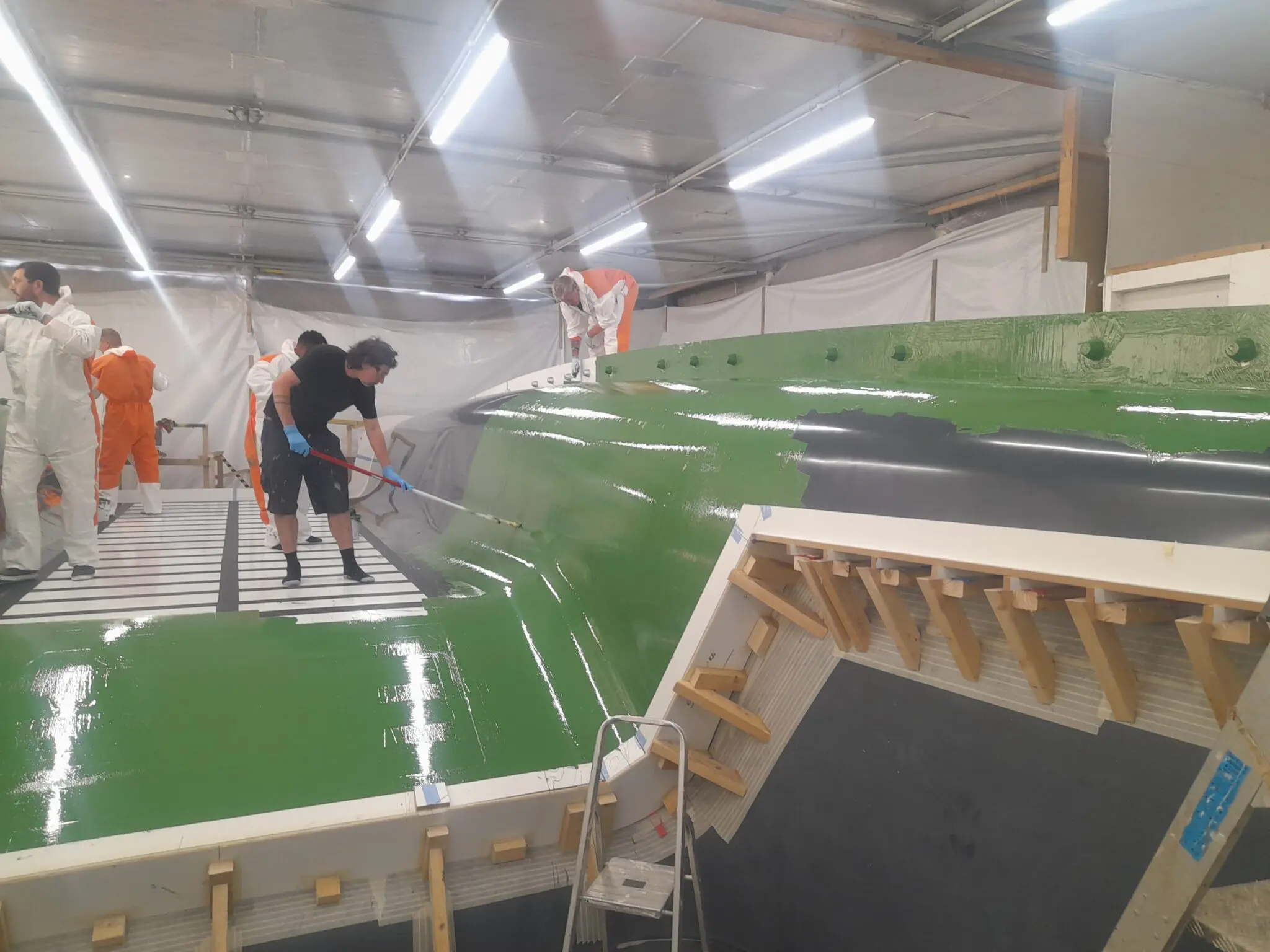
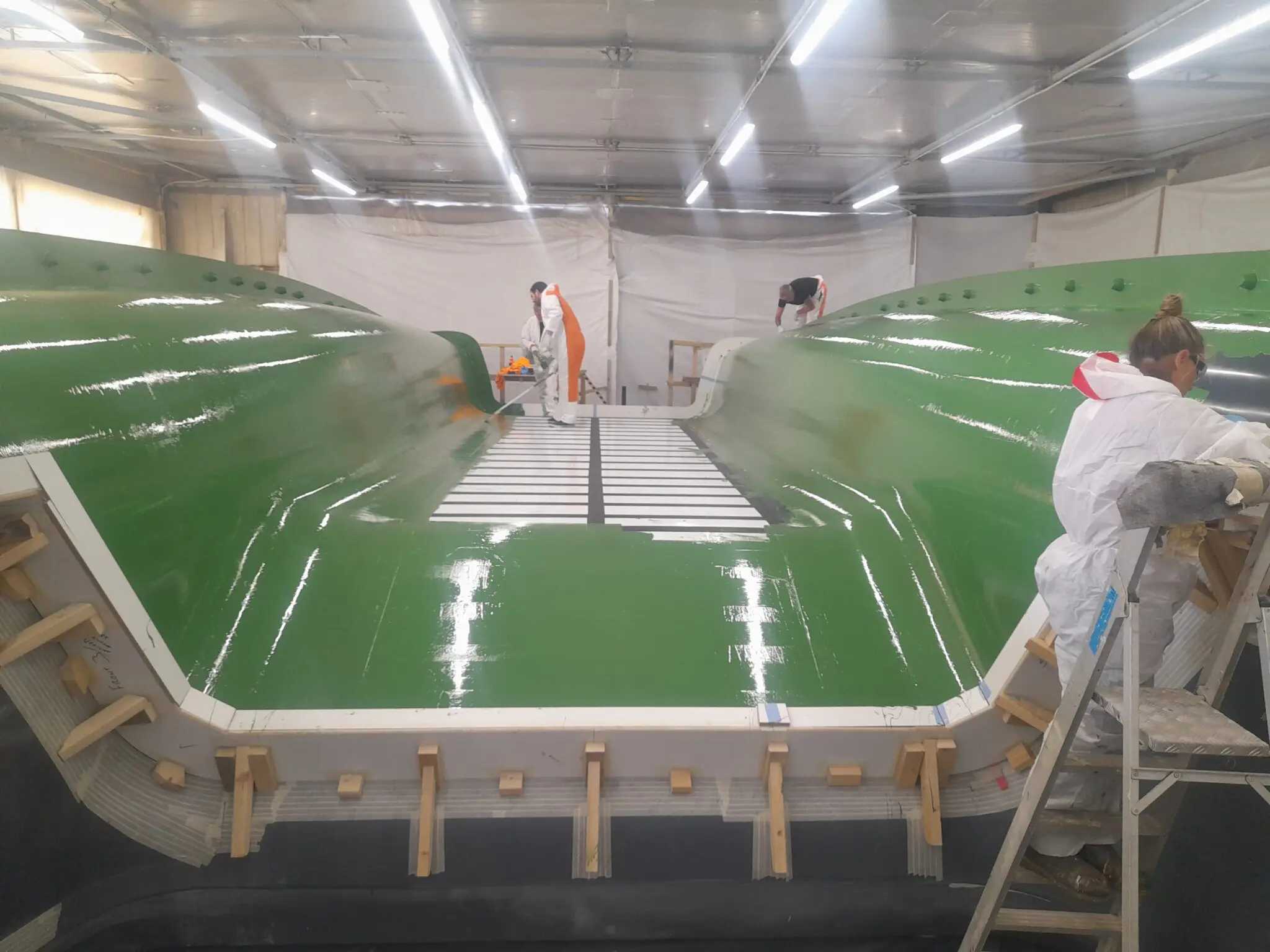
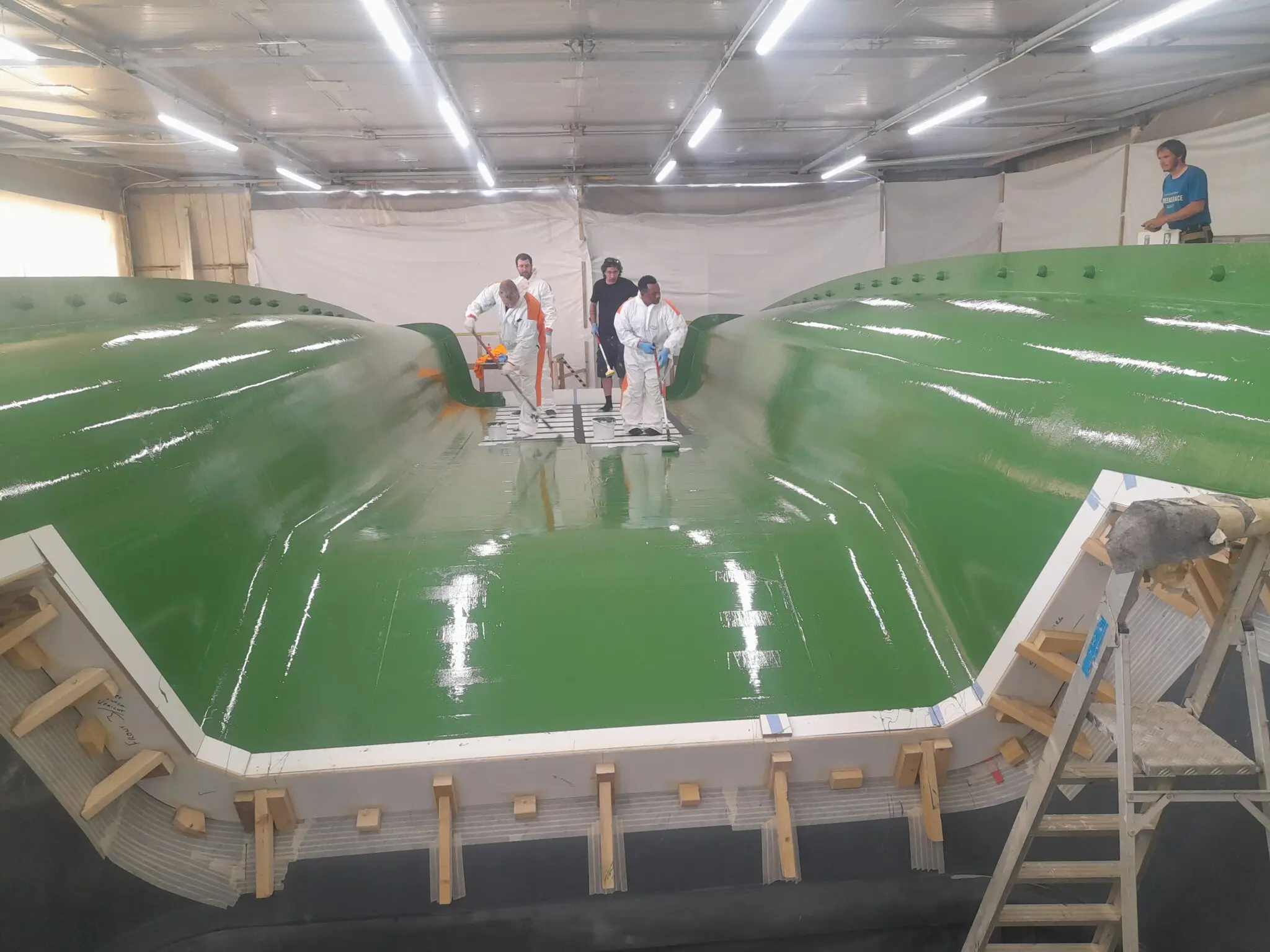
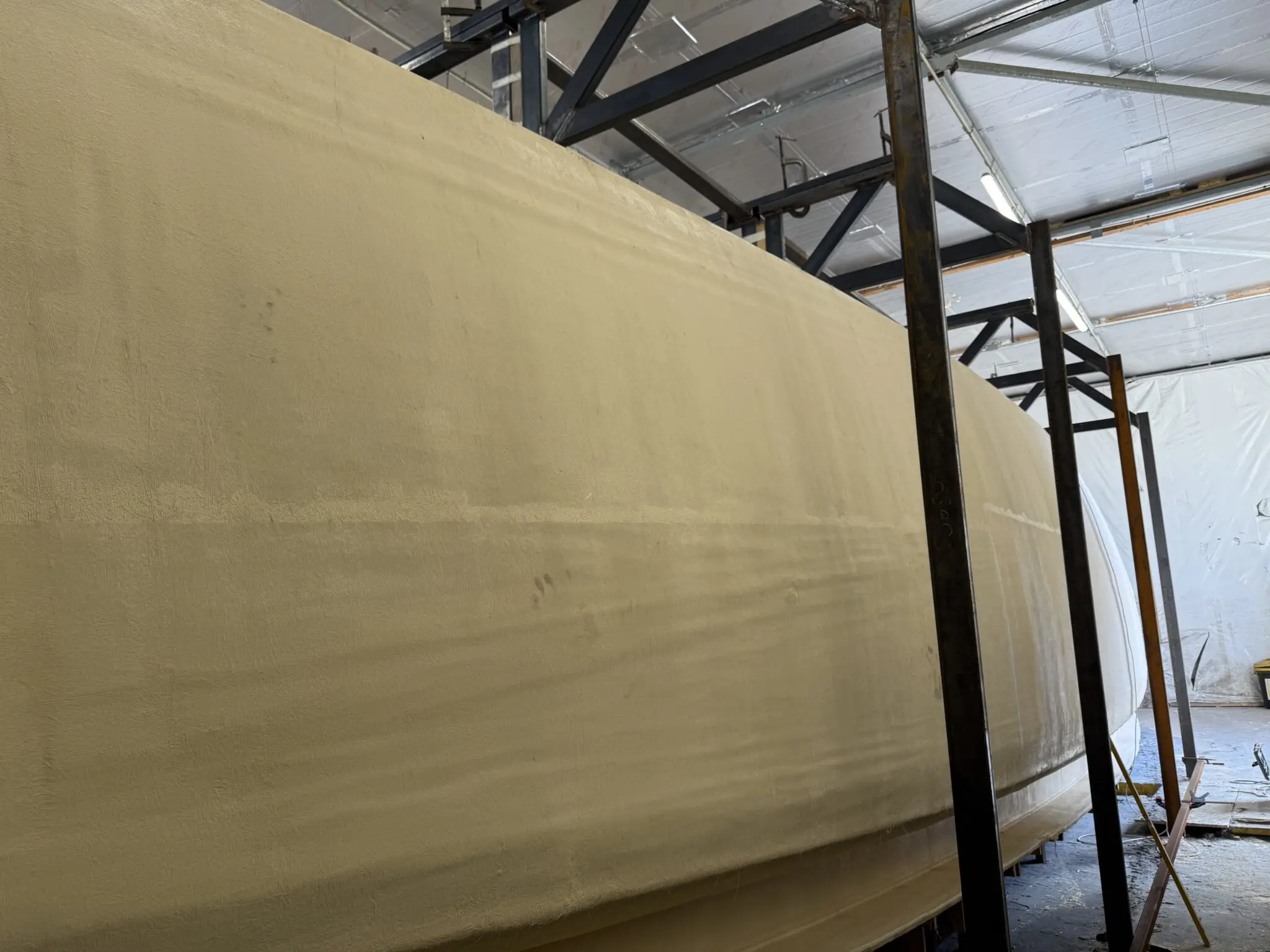
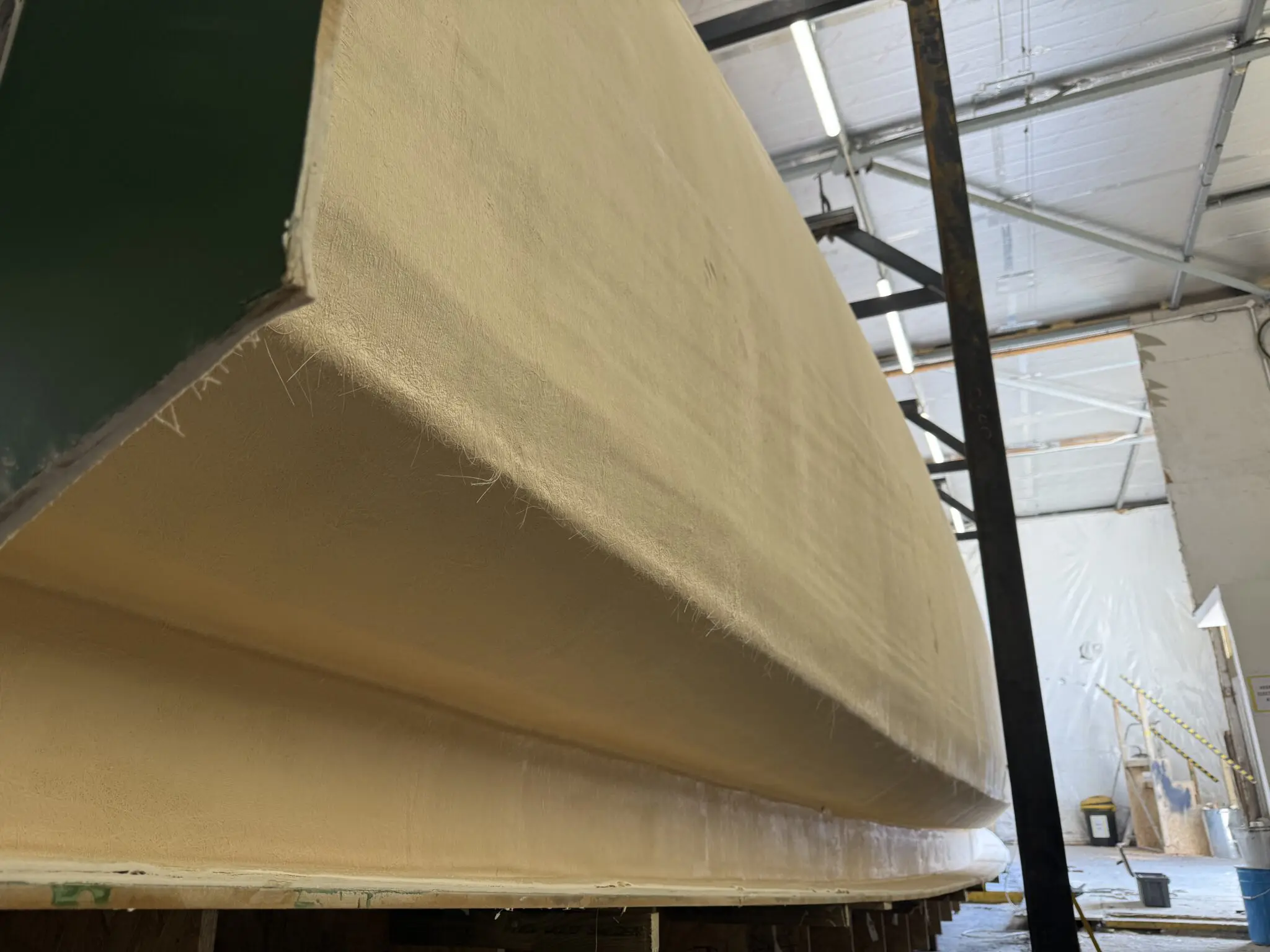
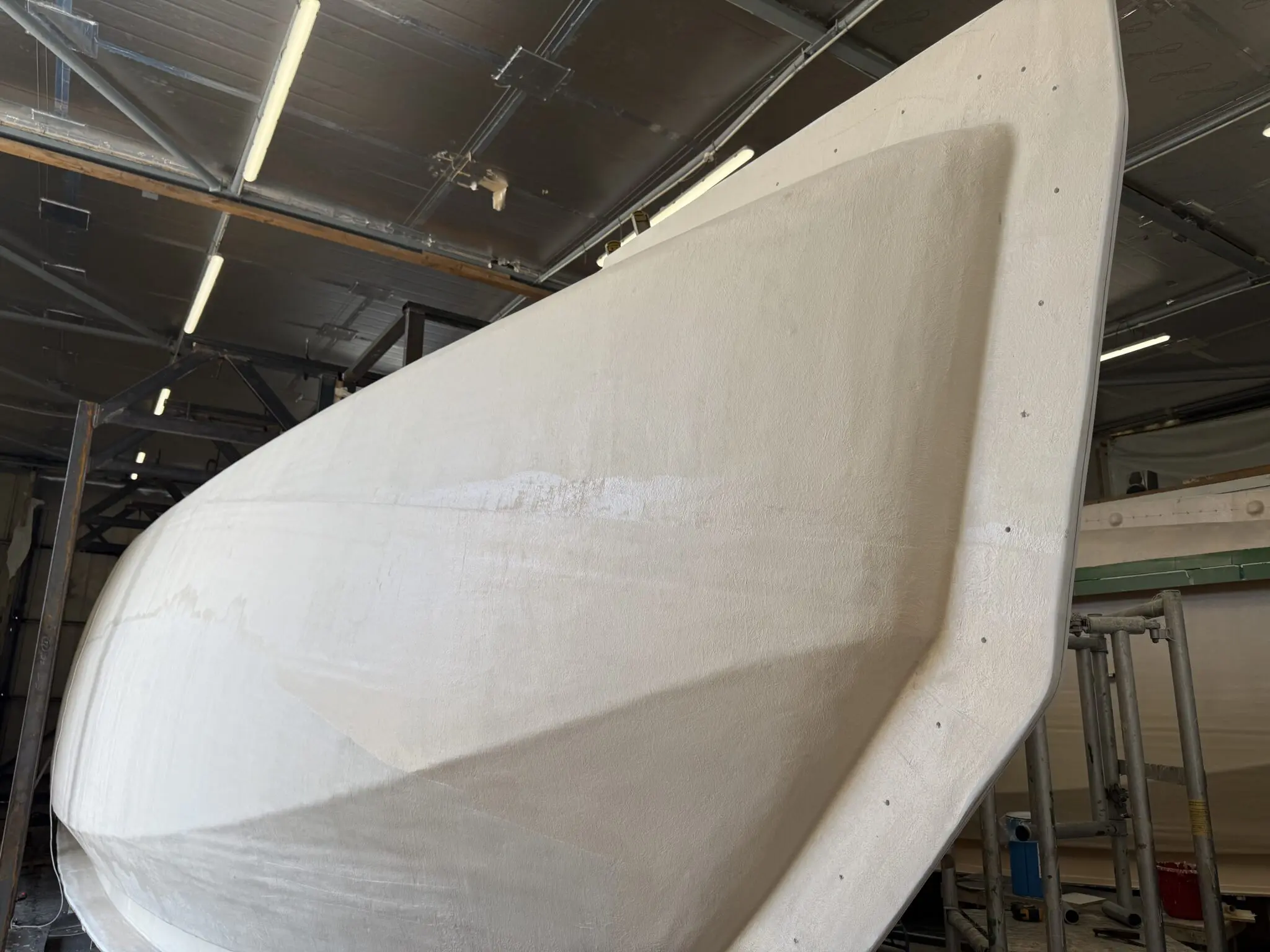
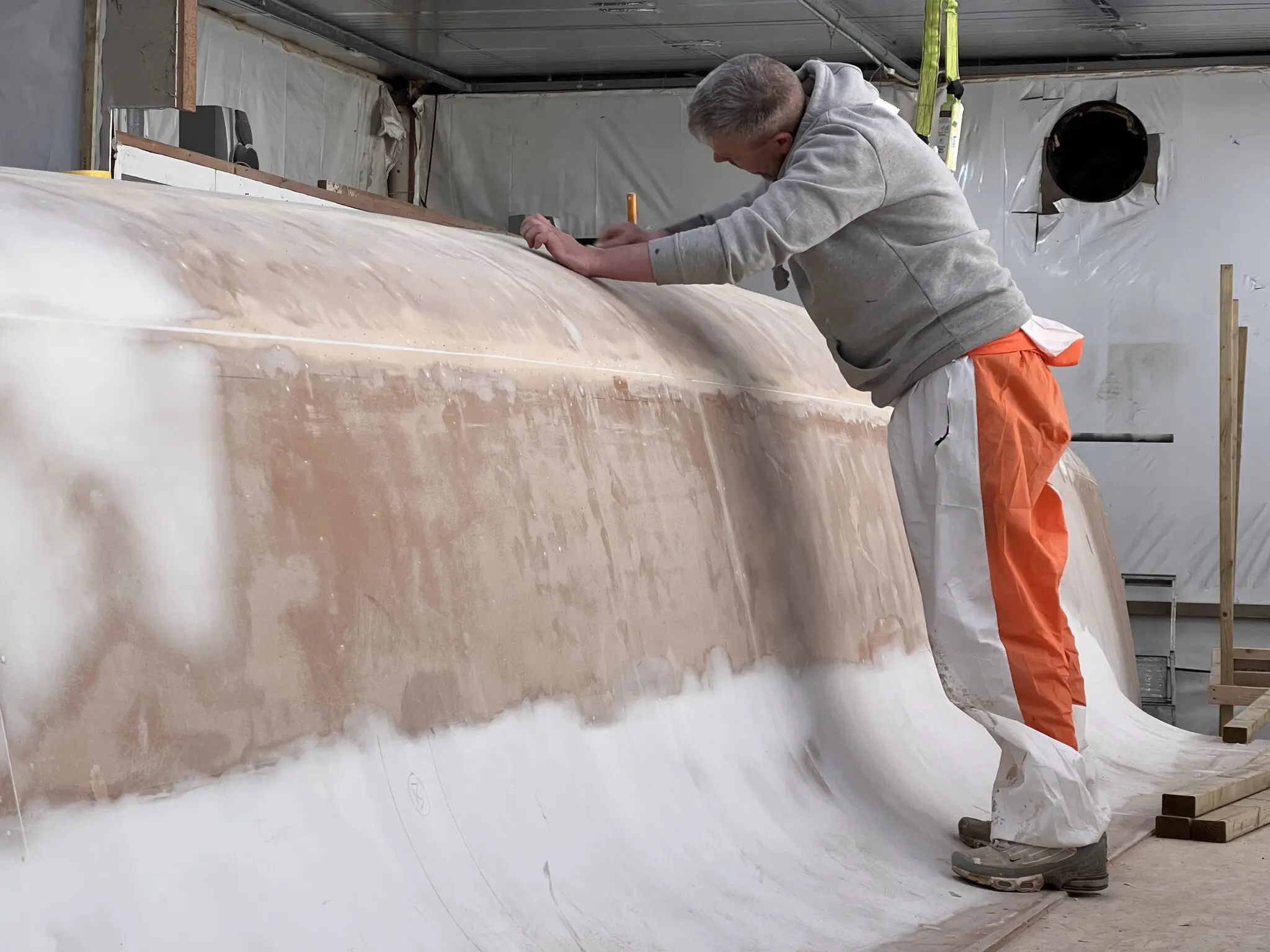
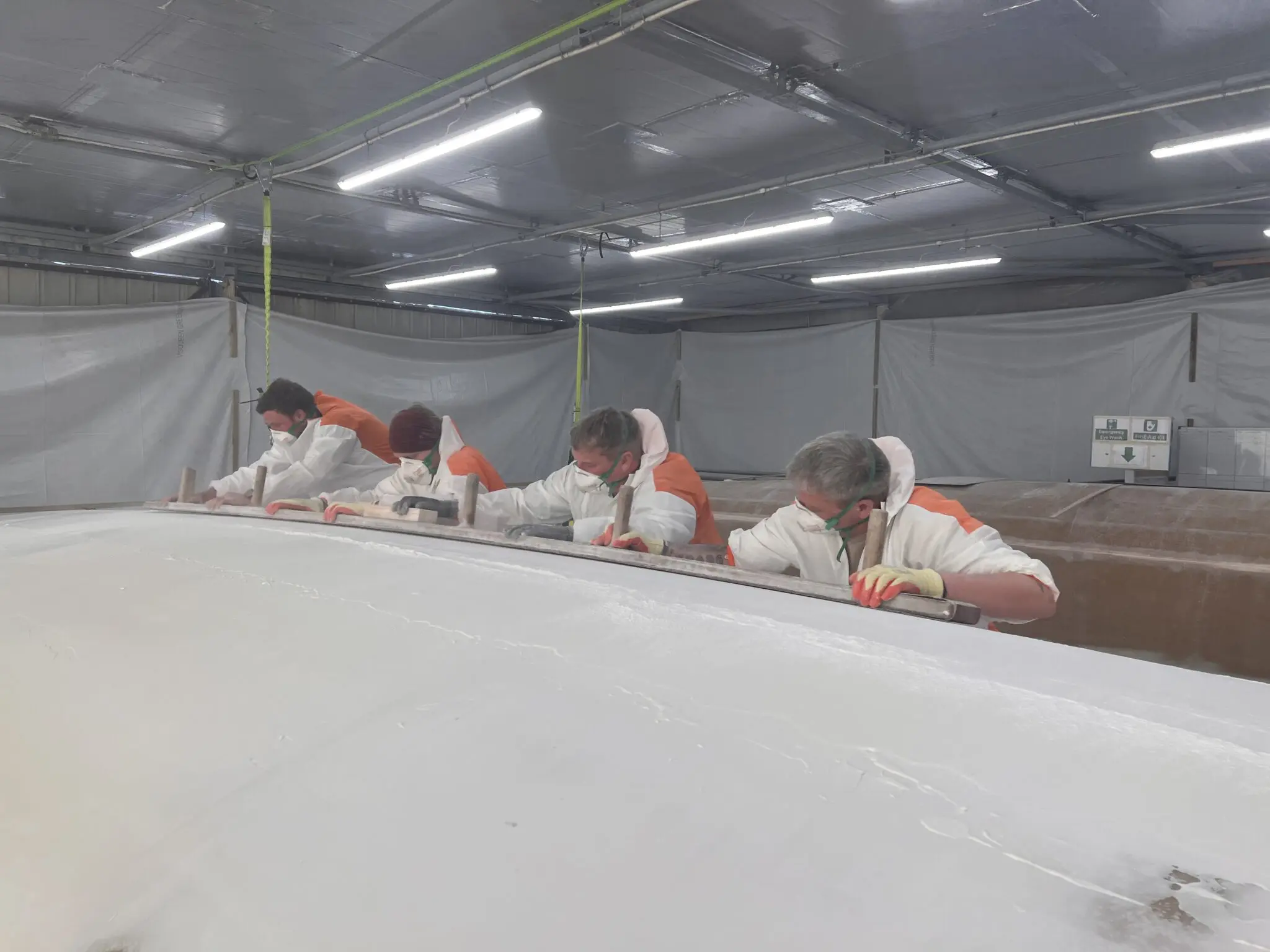
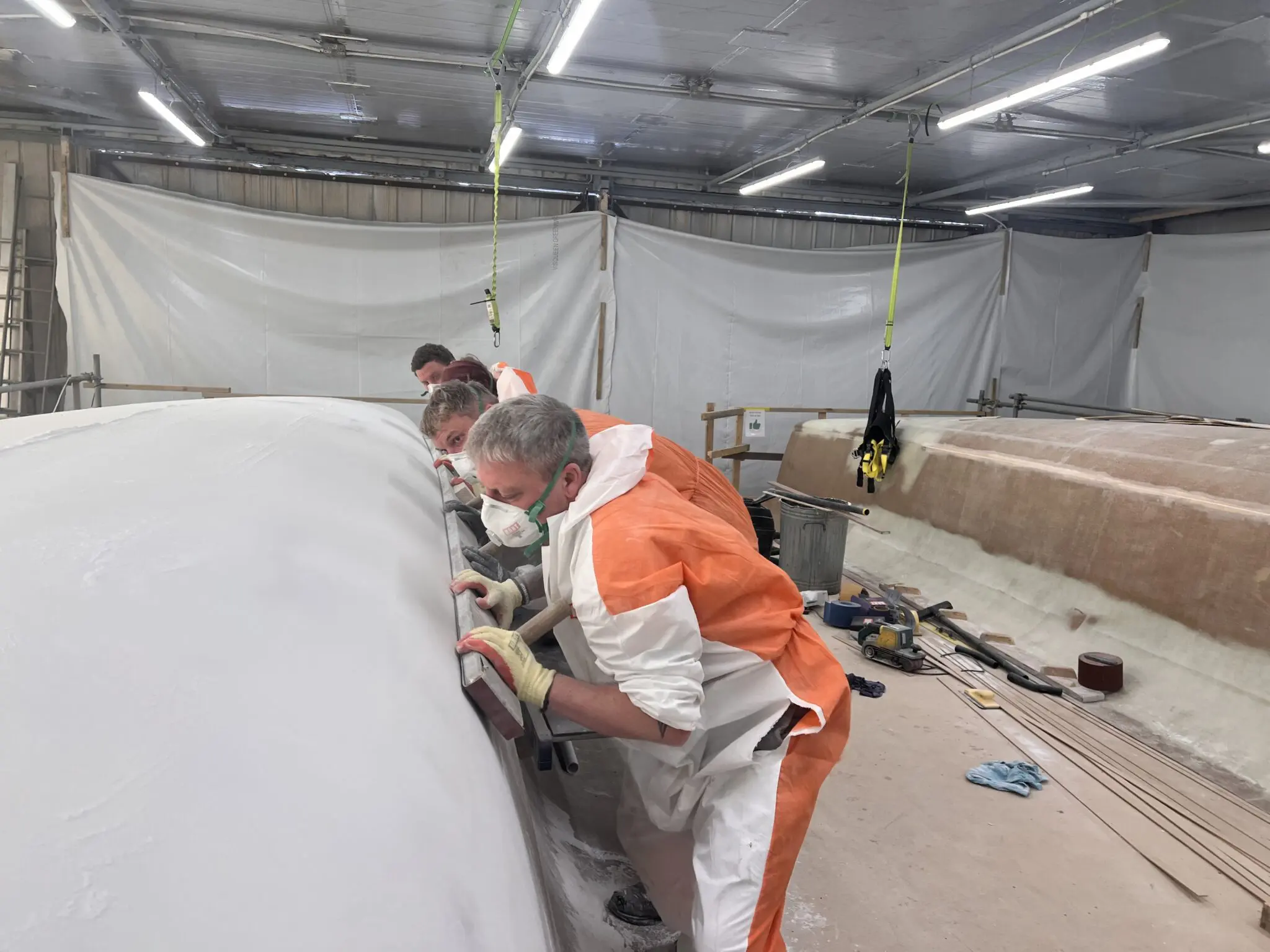
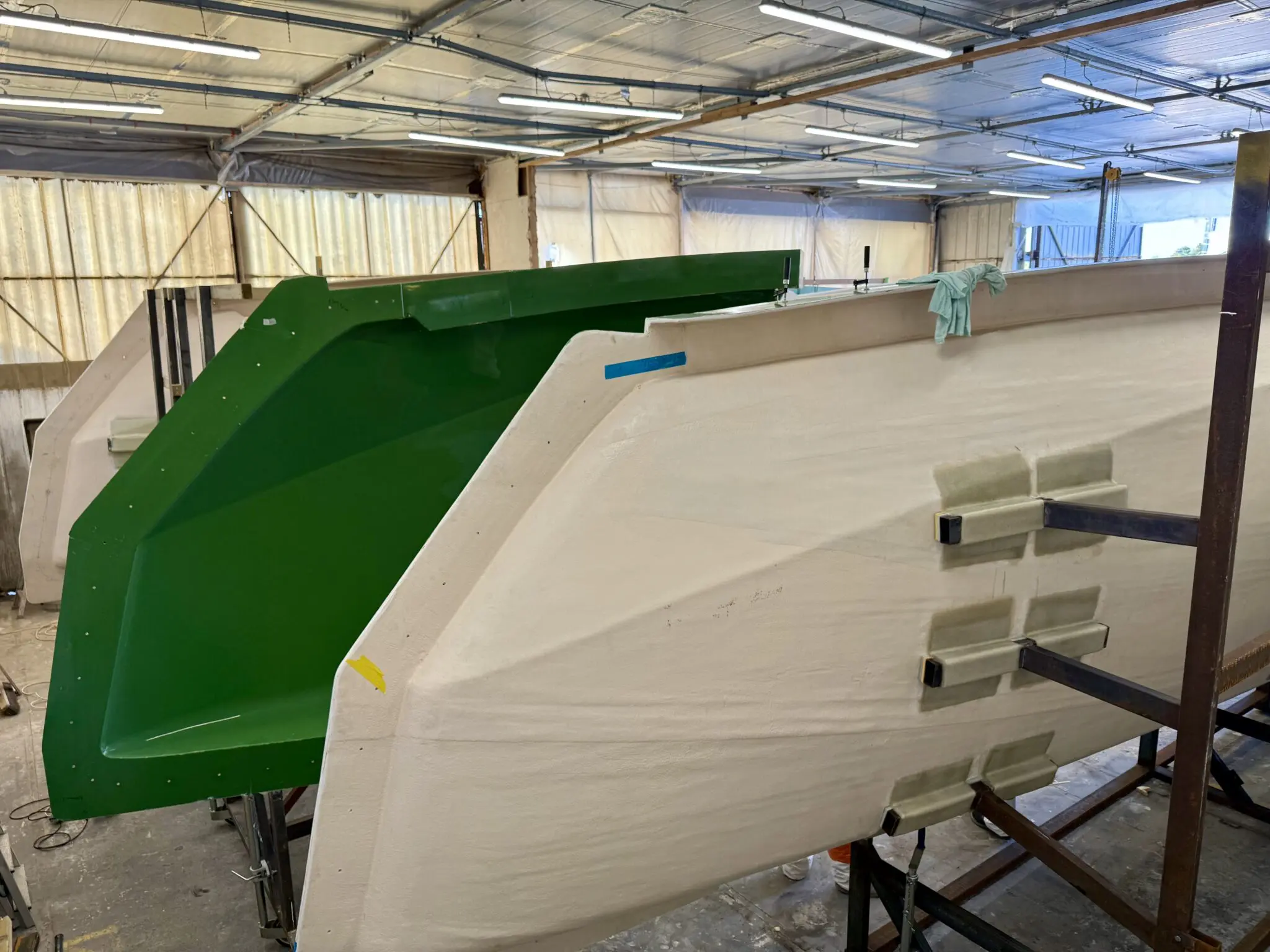
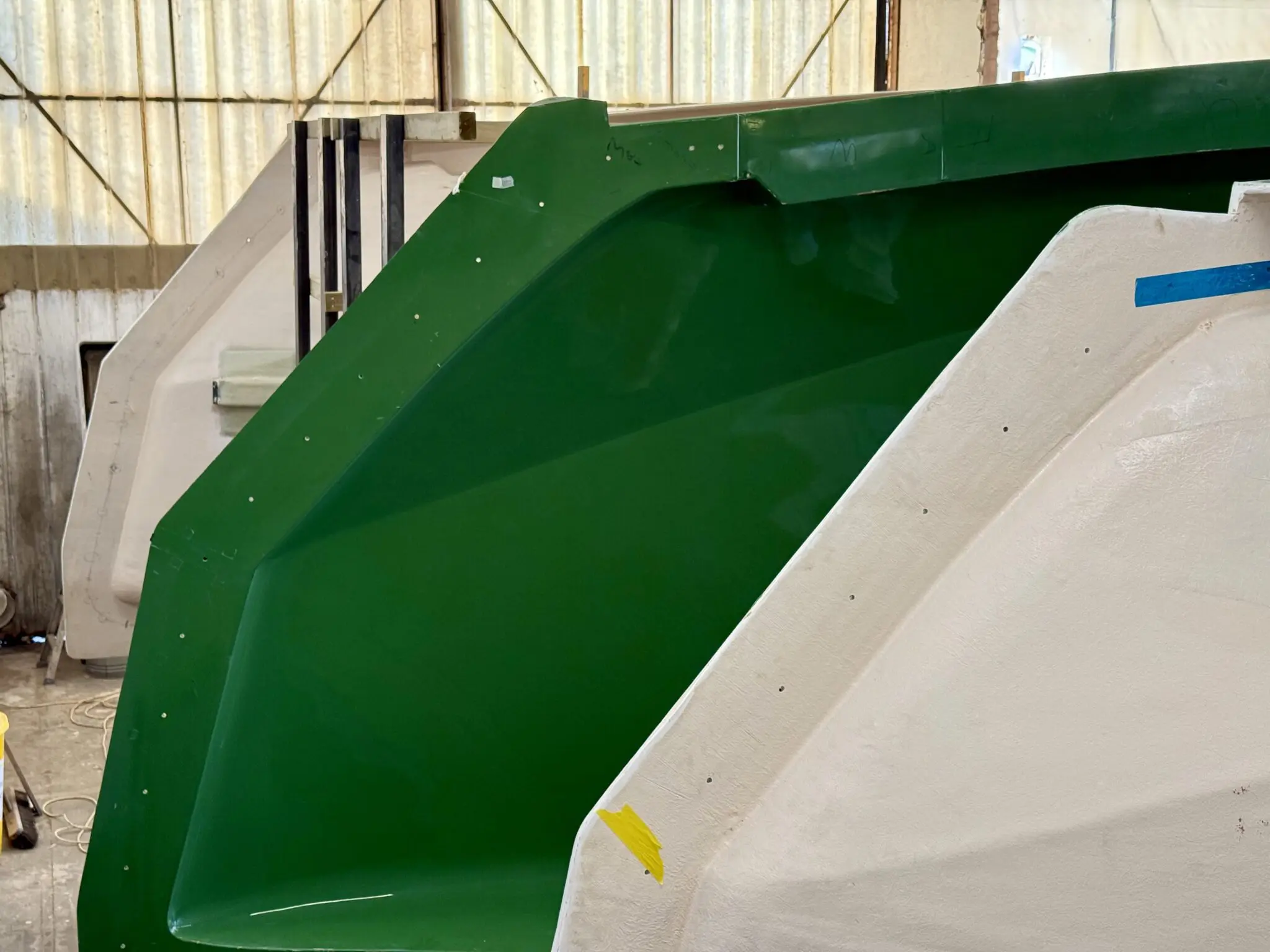
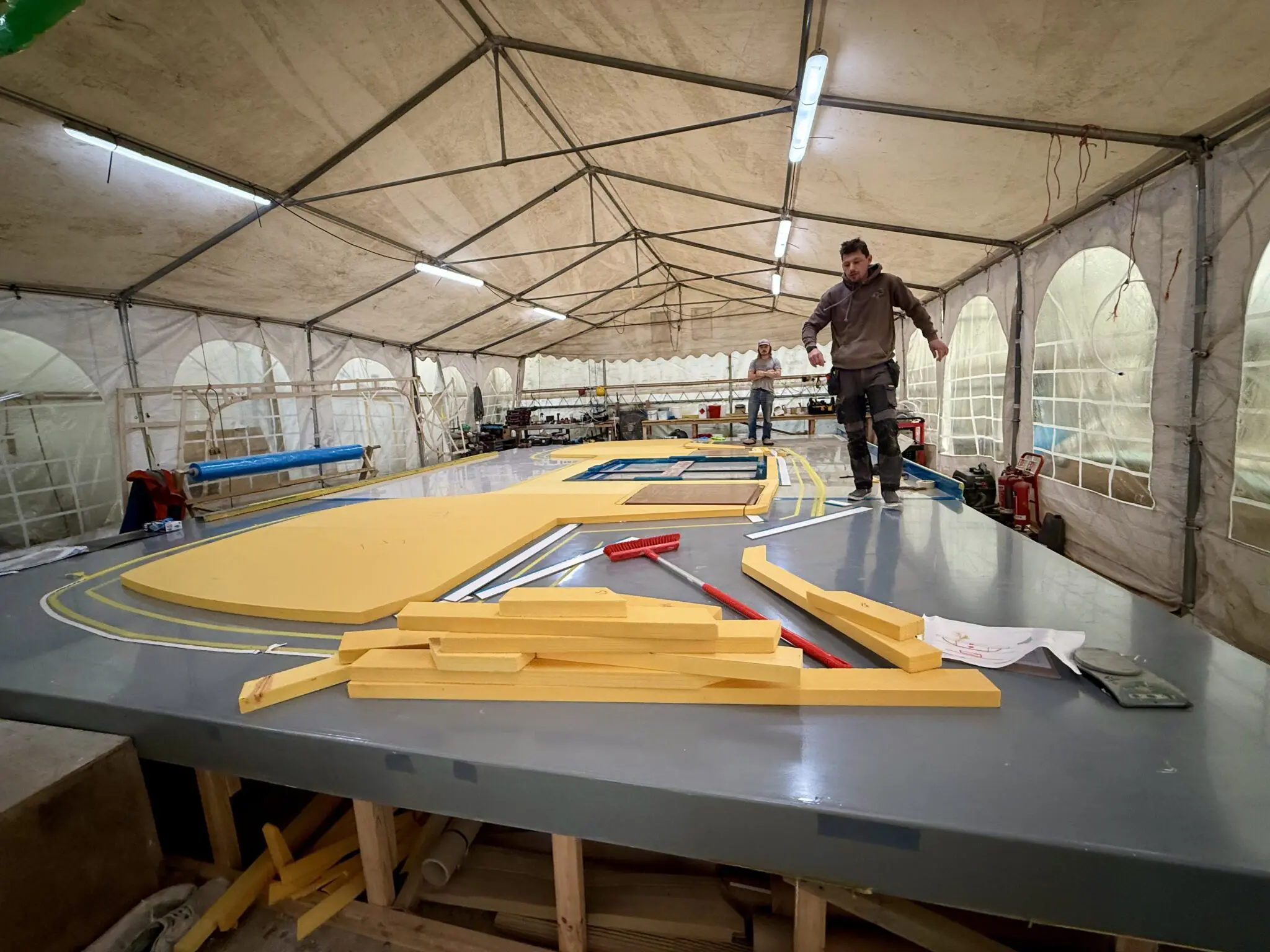
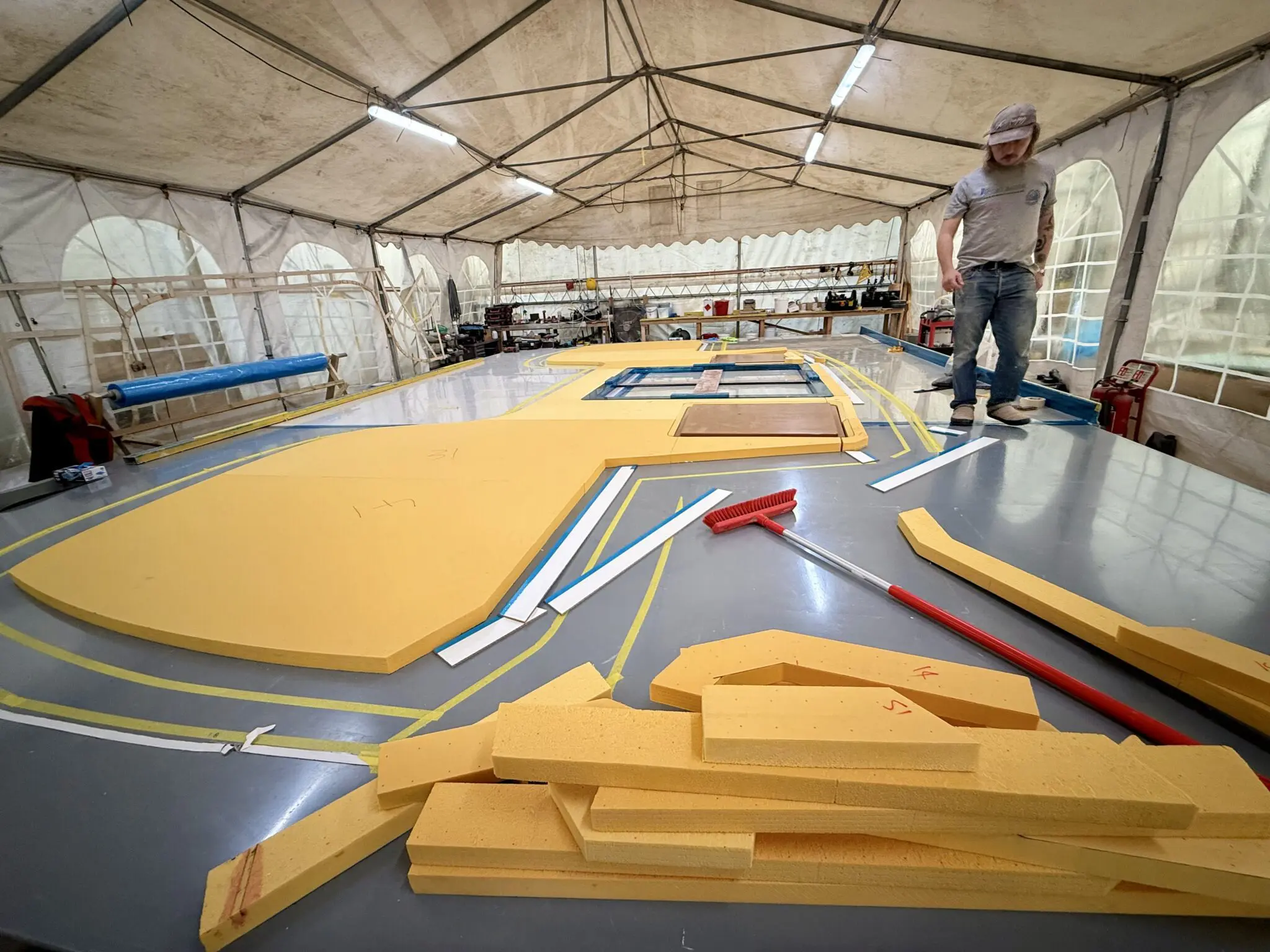
Every new design starts with a blank floor and a big idea, and the Dazcat 1500 is no exception.
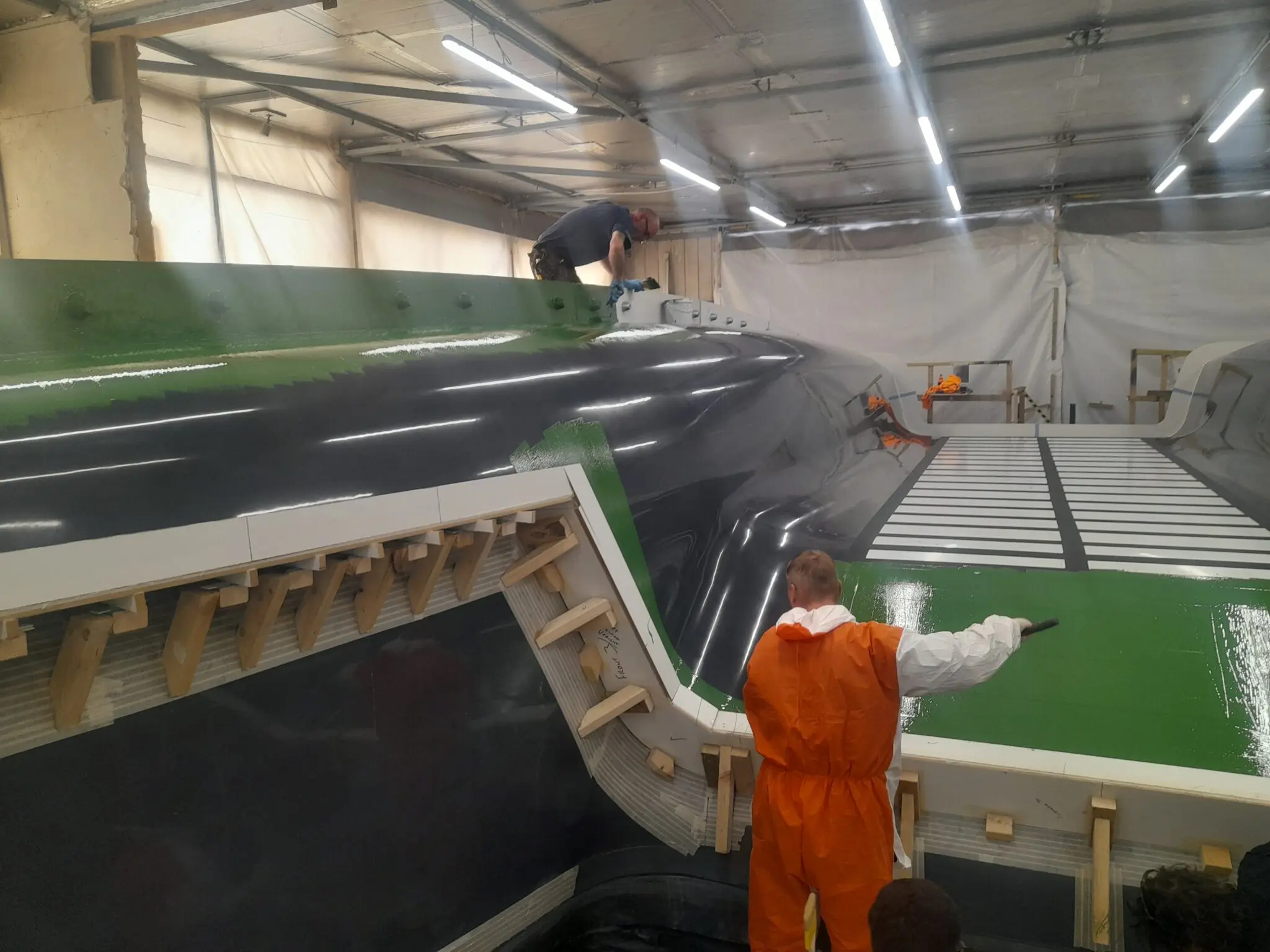
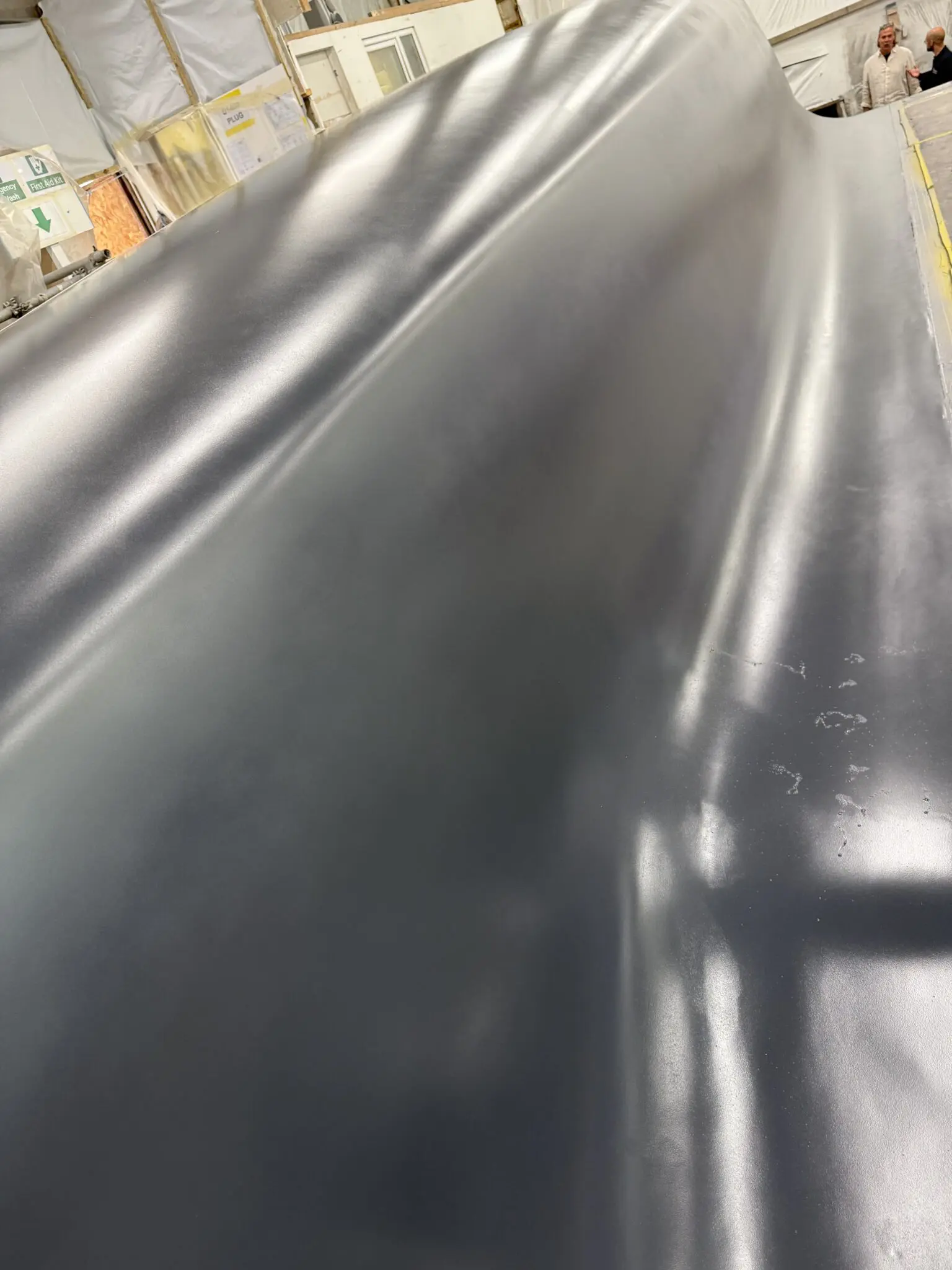
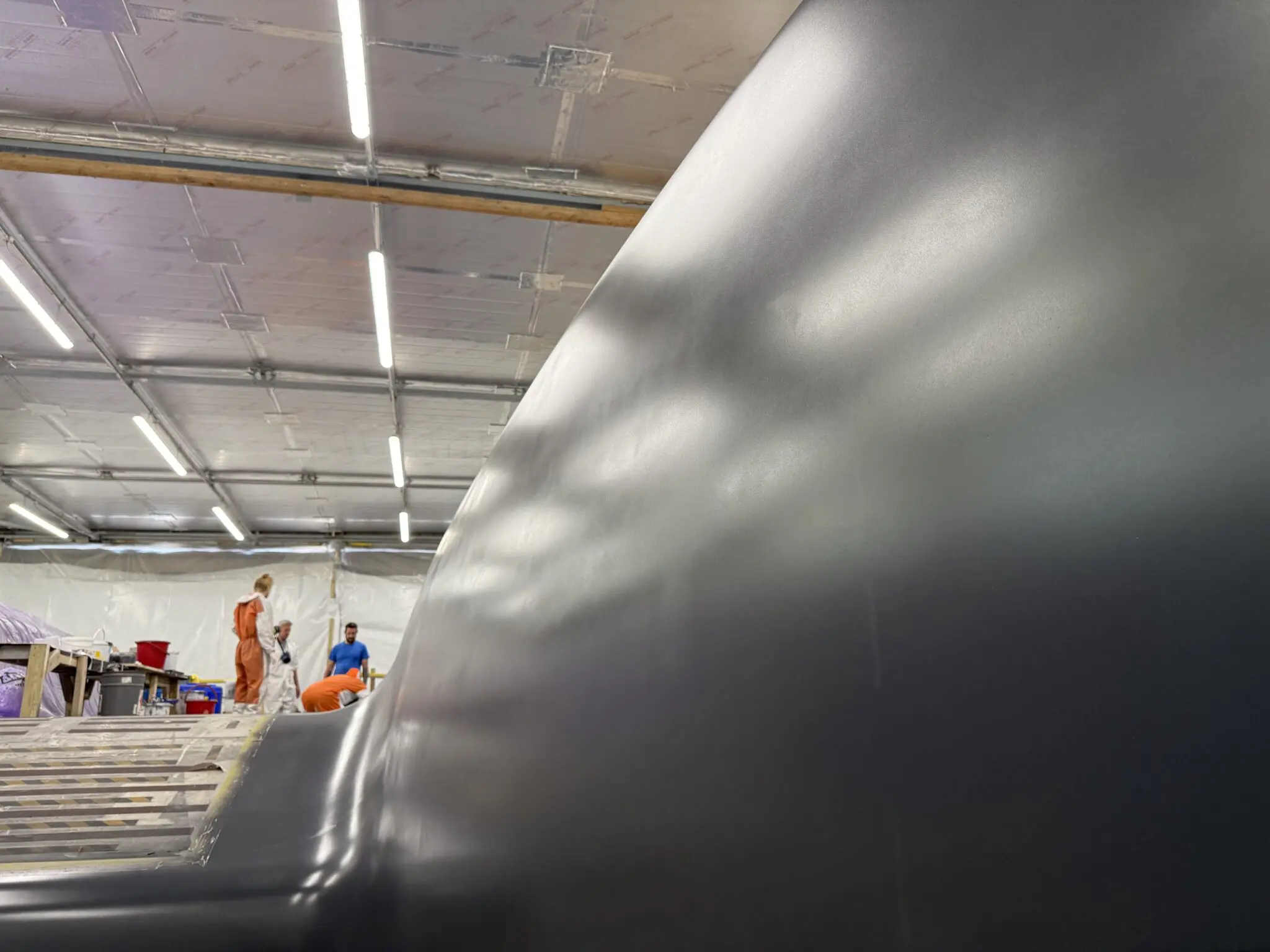
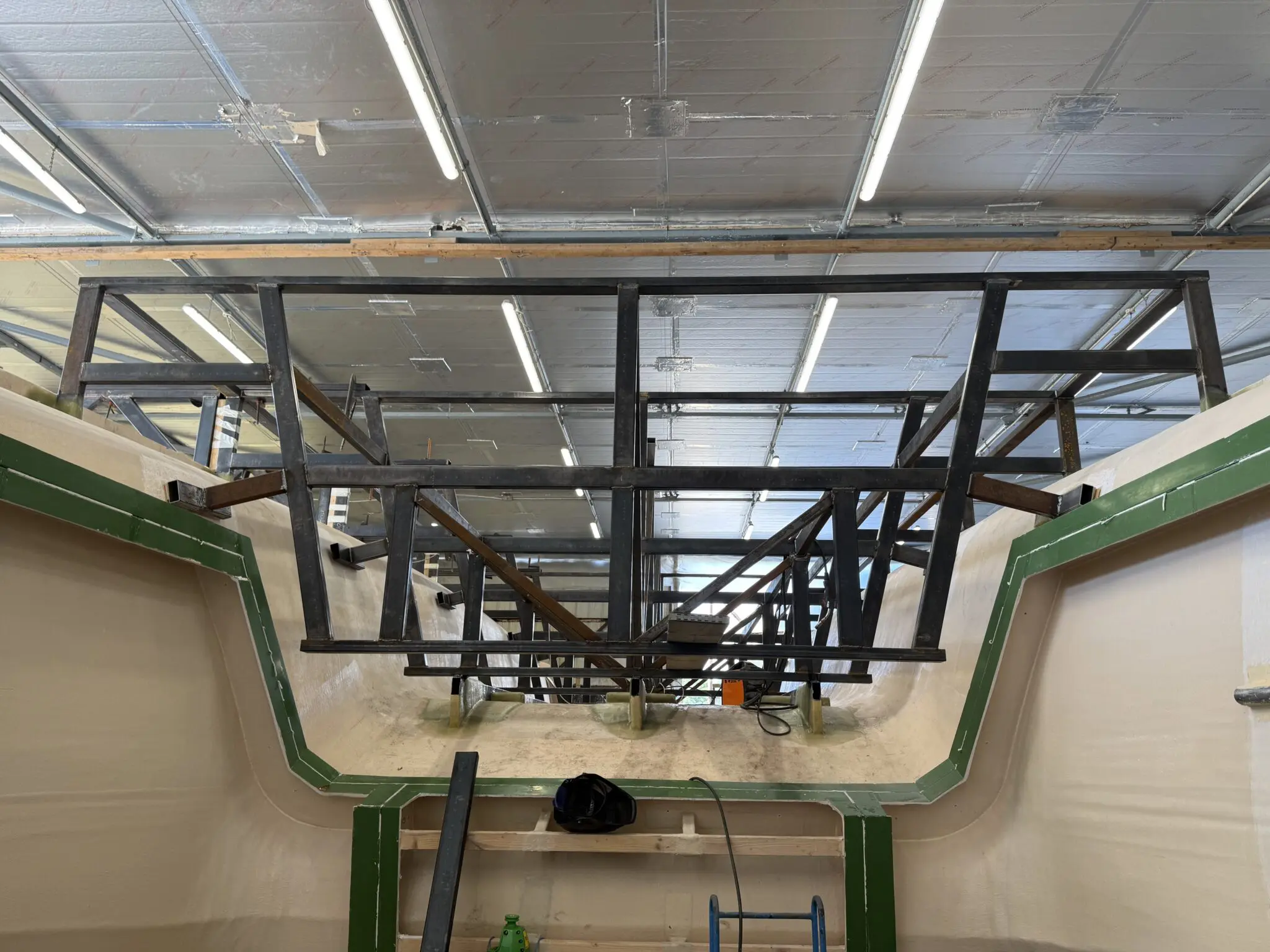
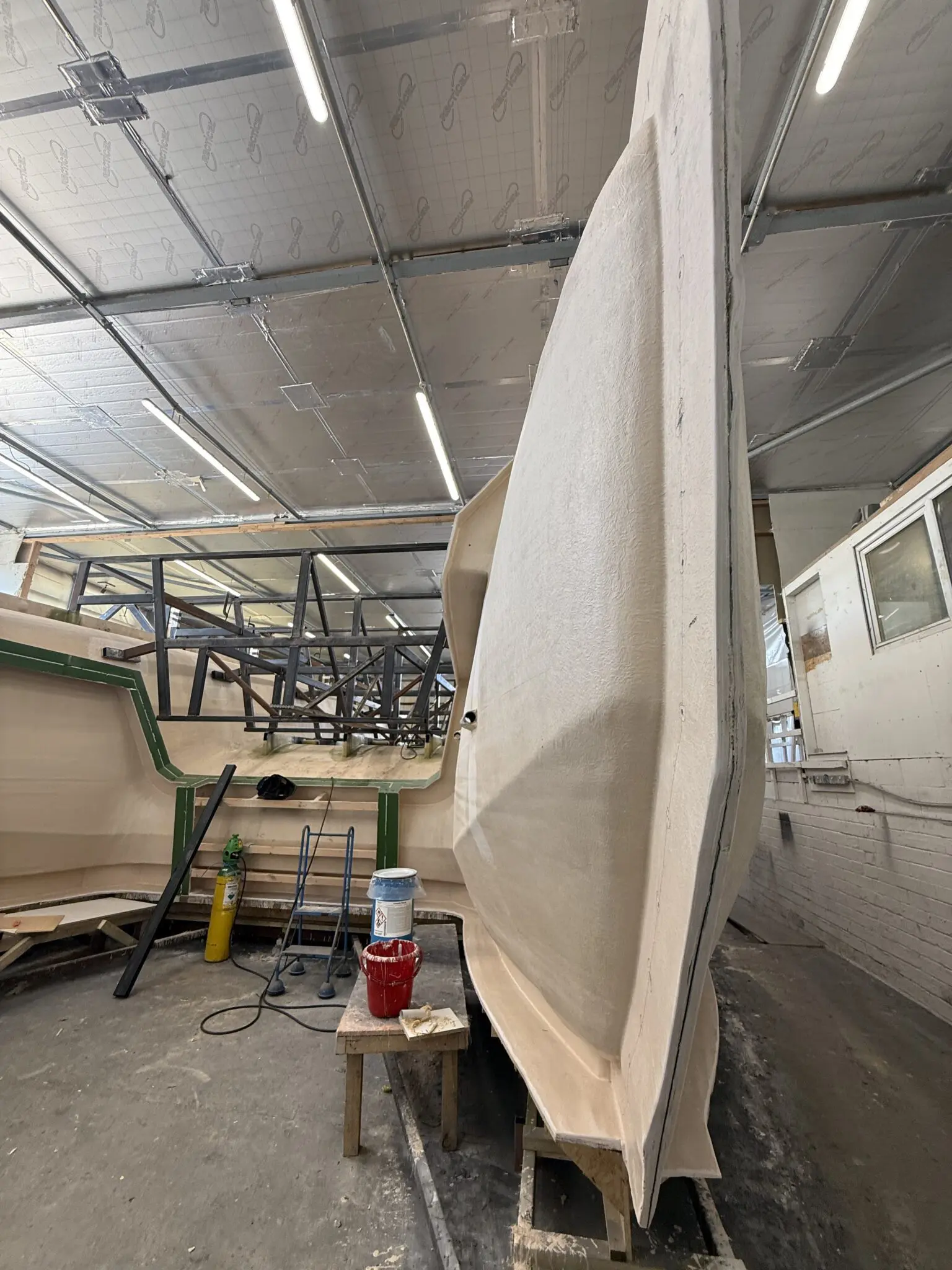
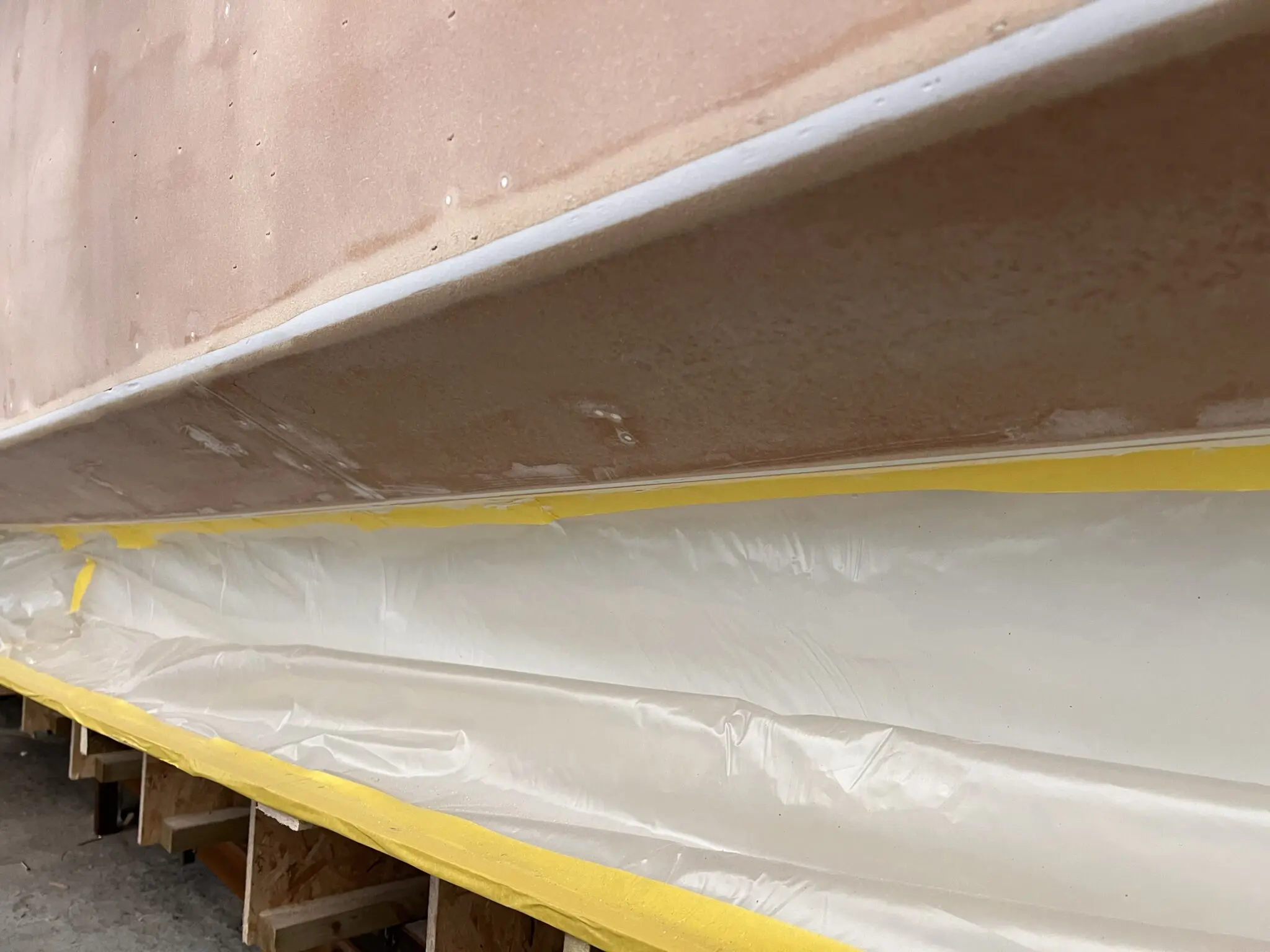
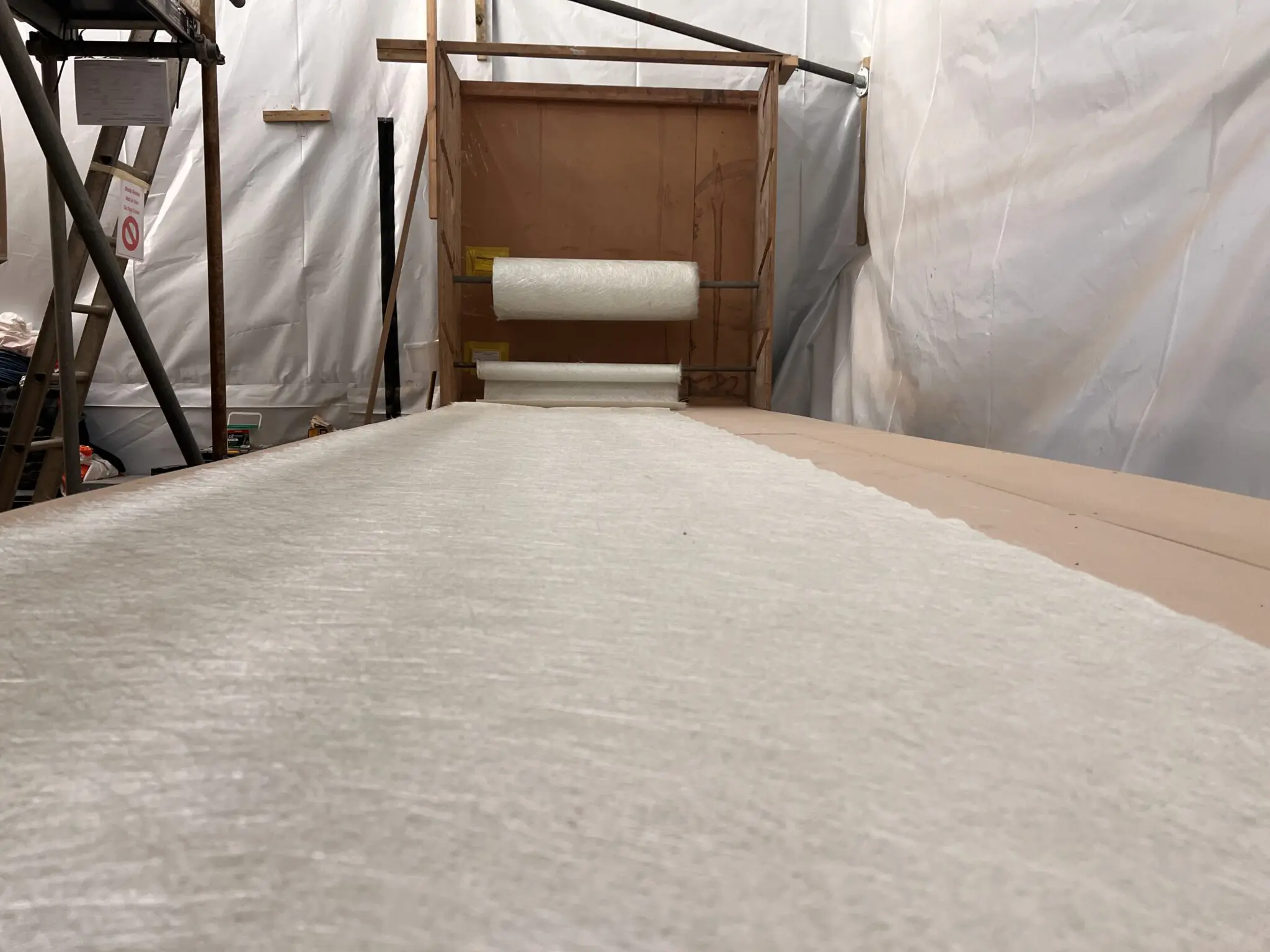
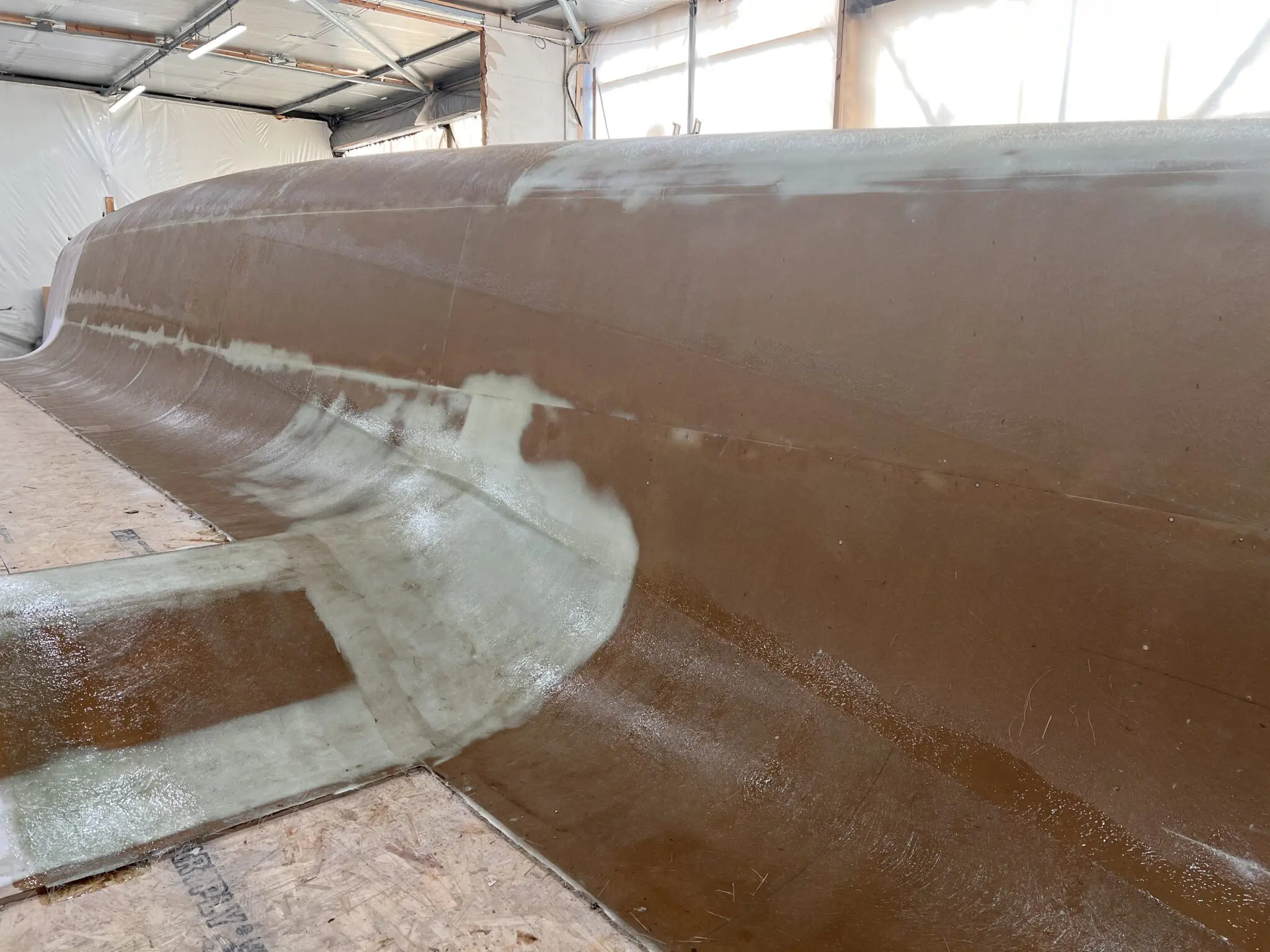
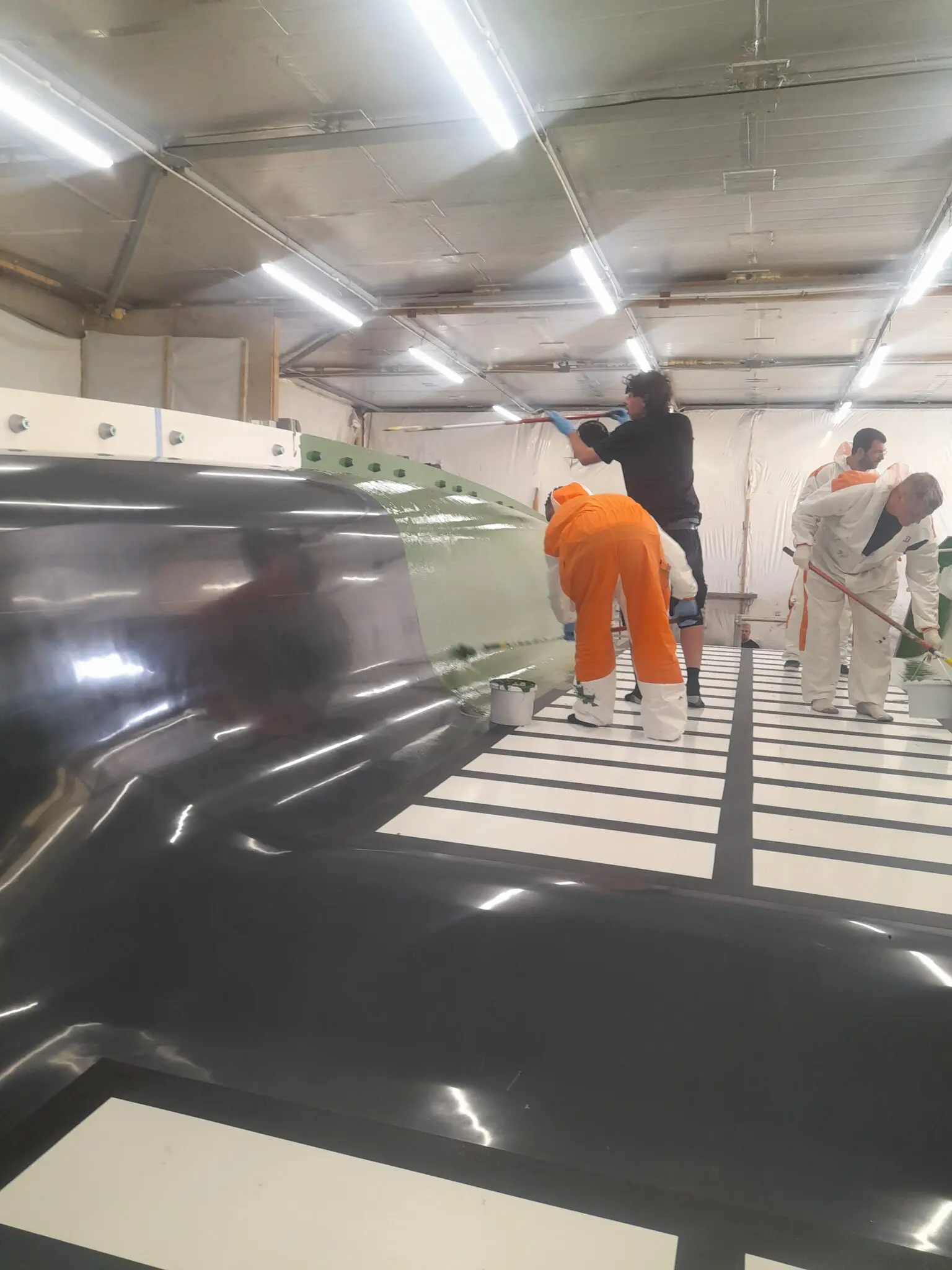
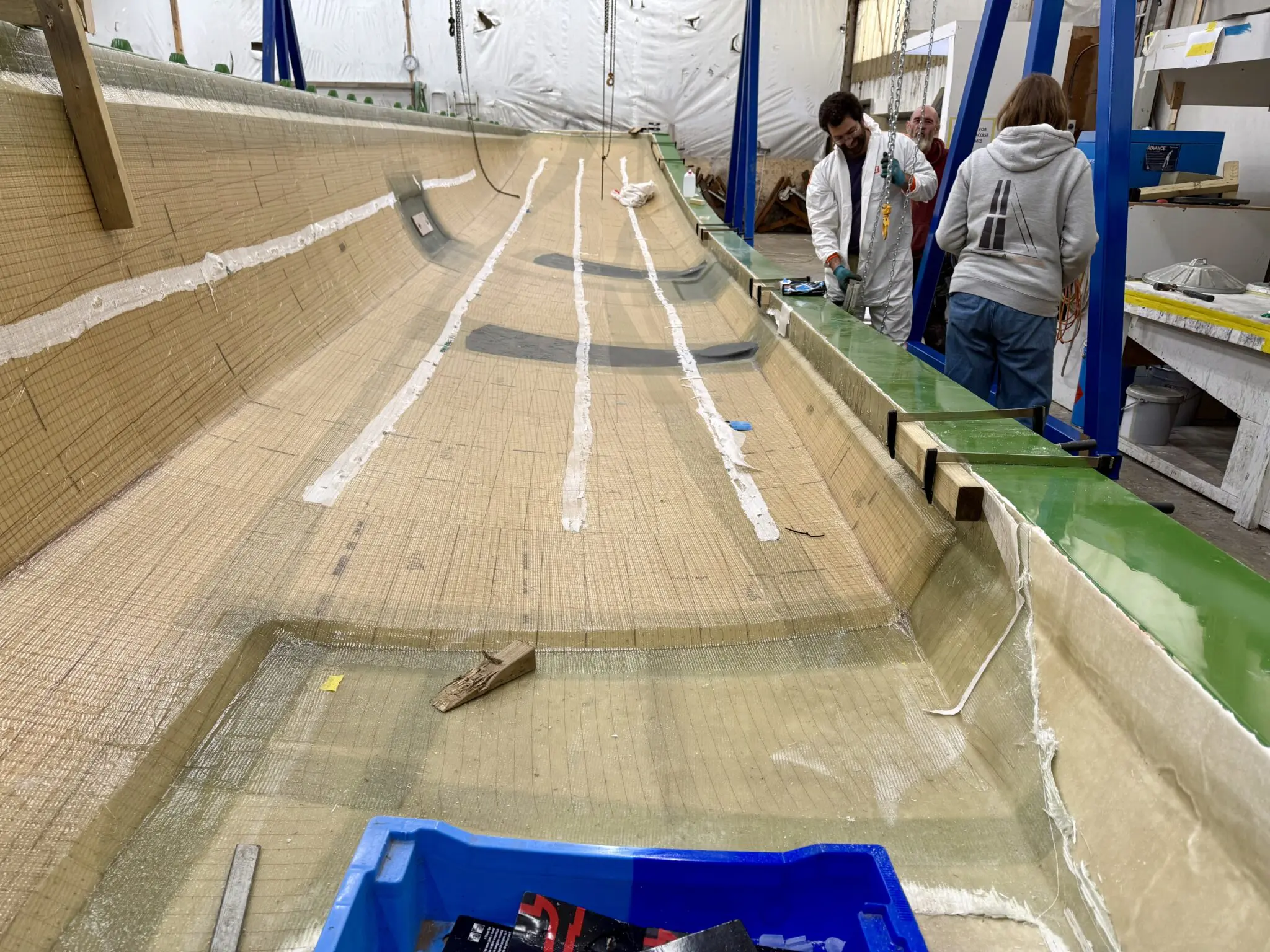
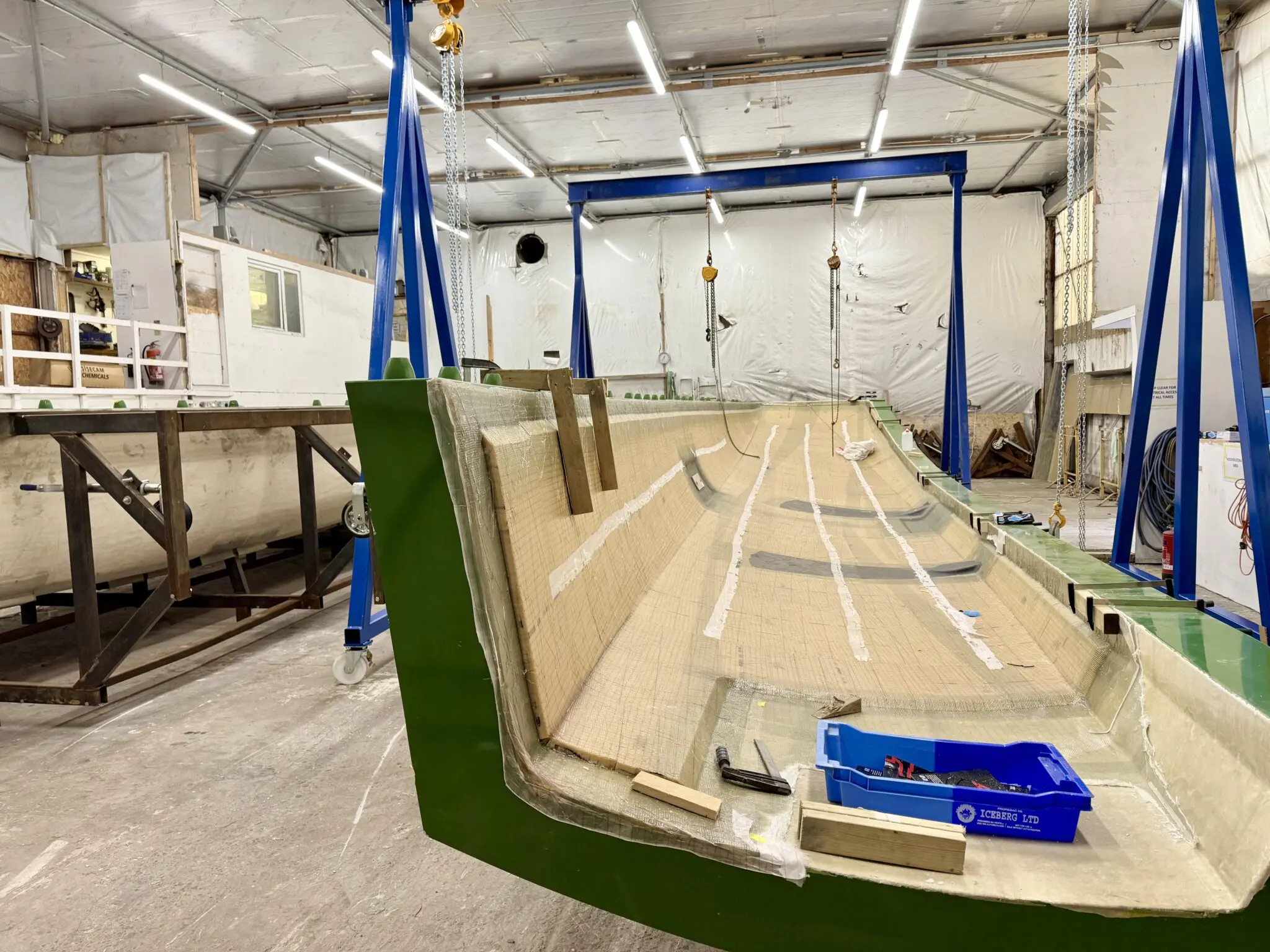
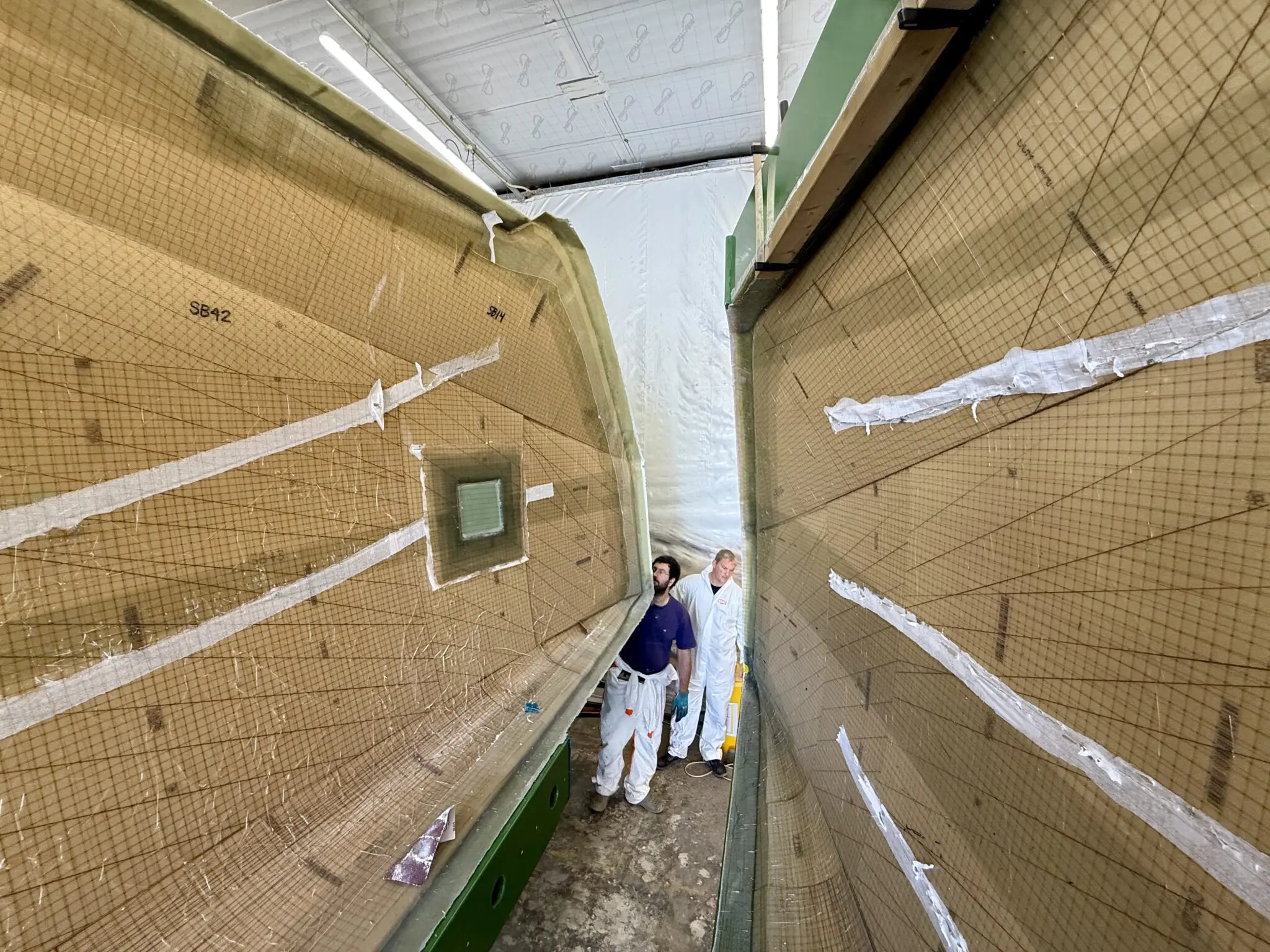
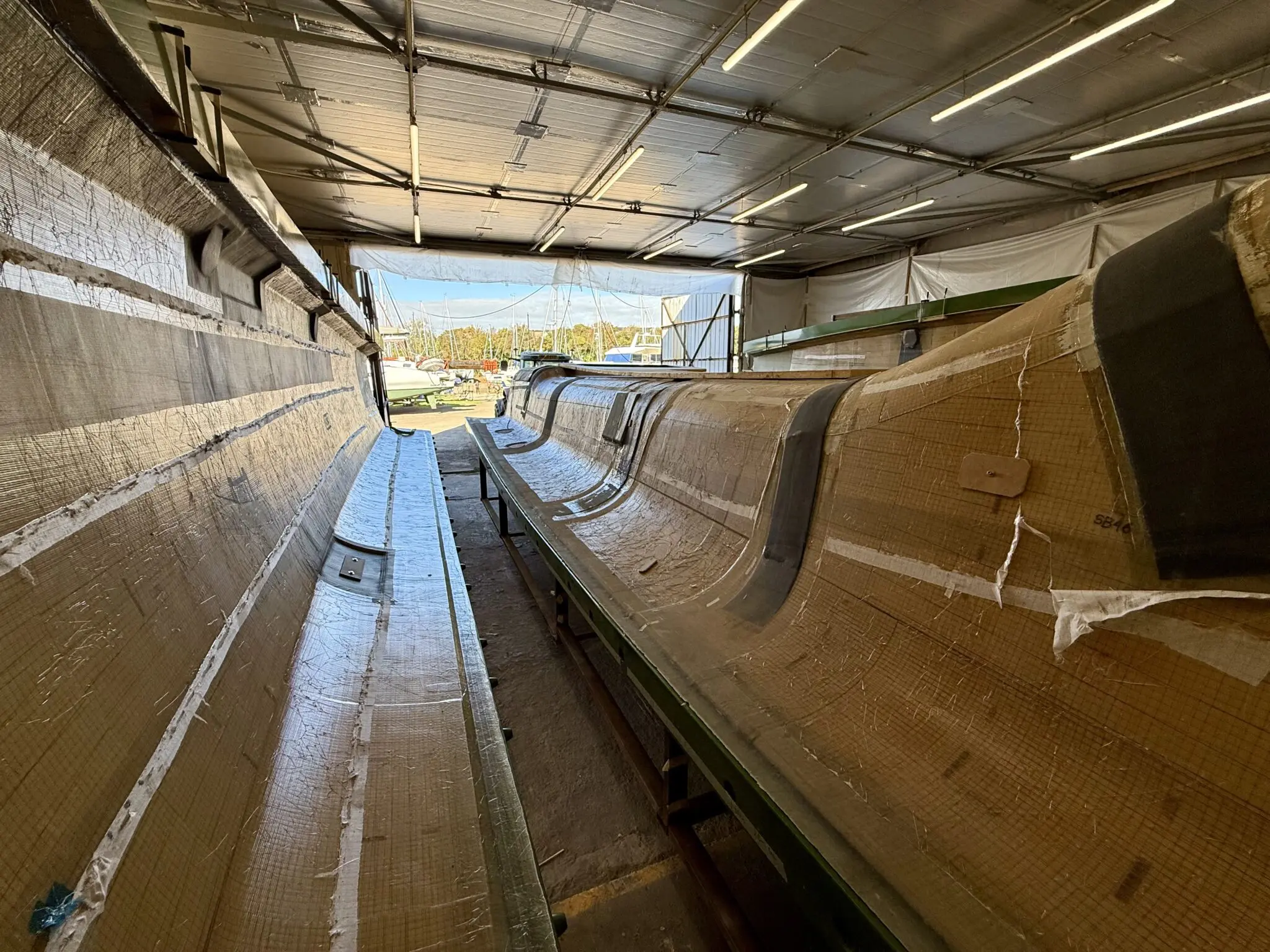
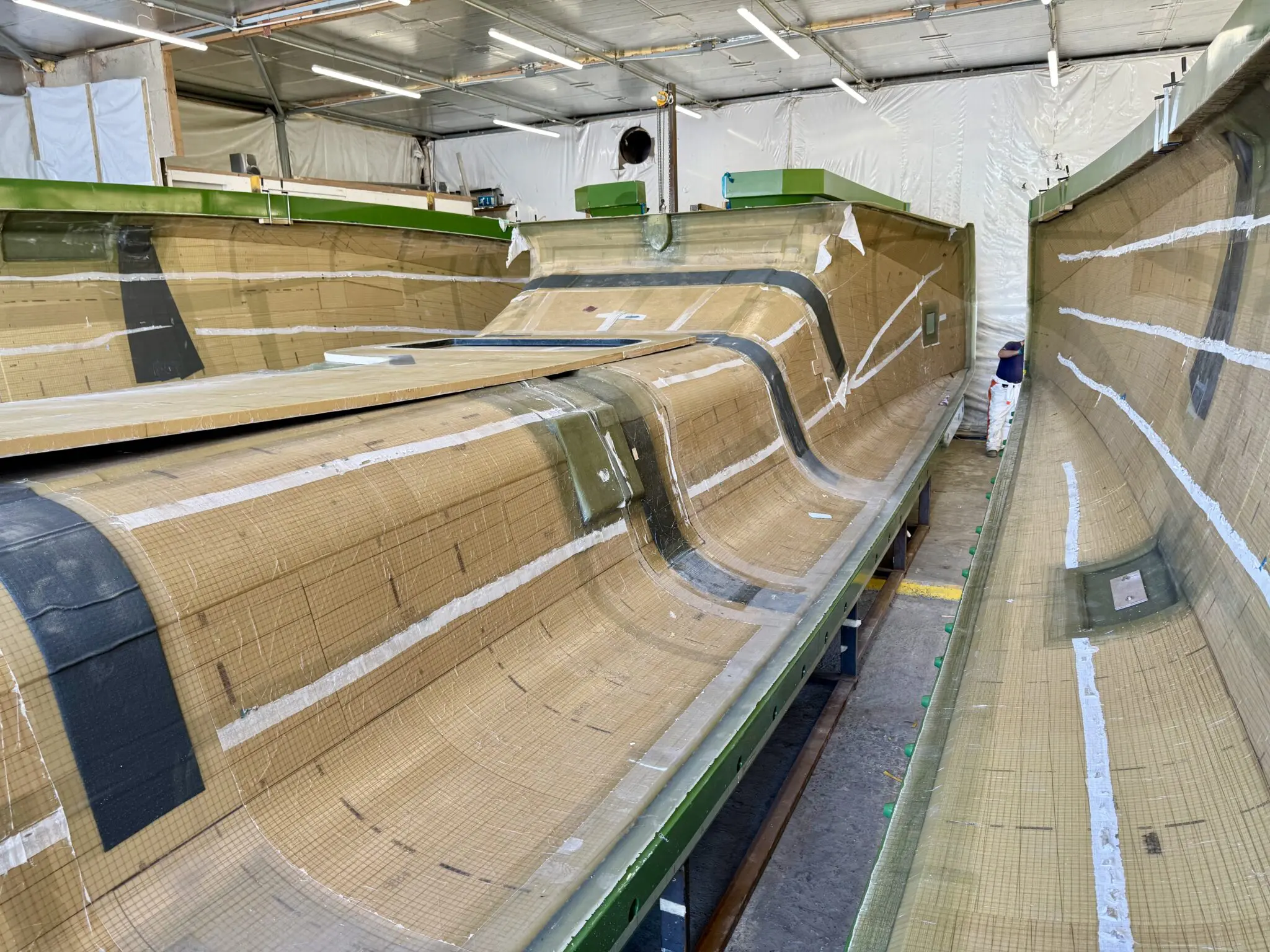
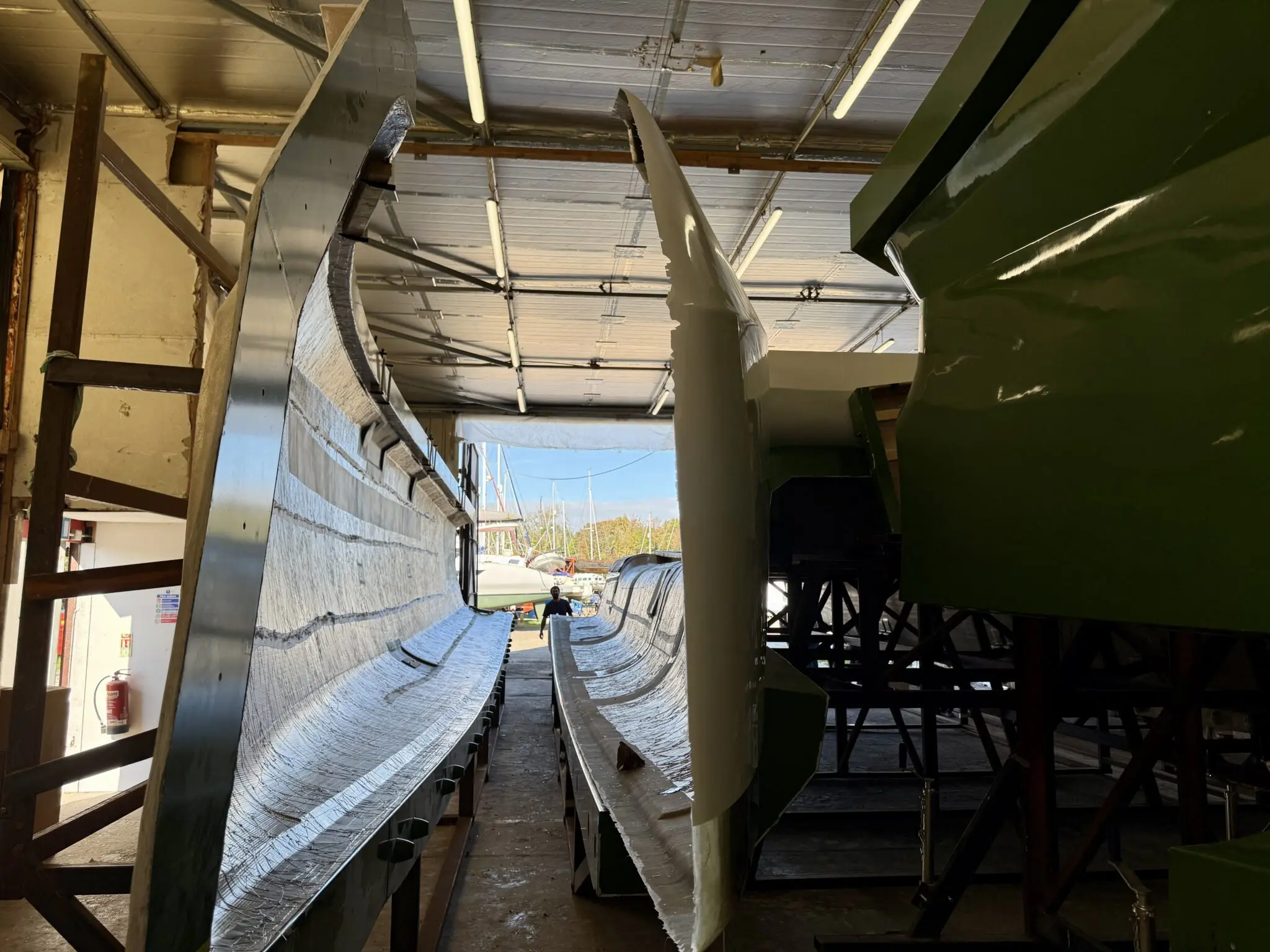
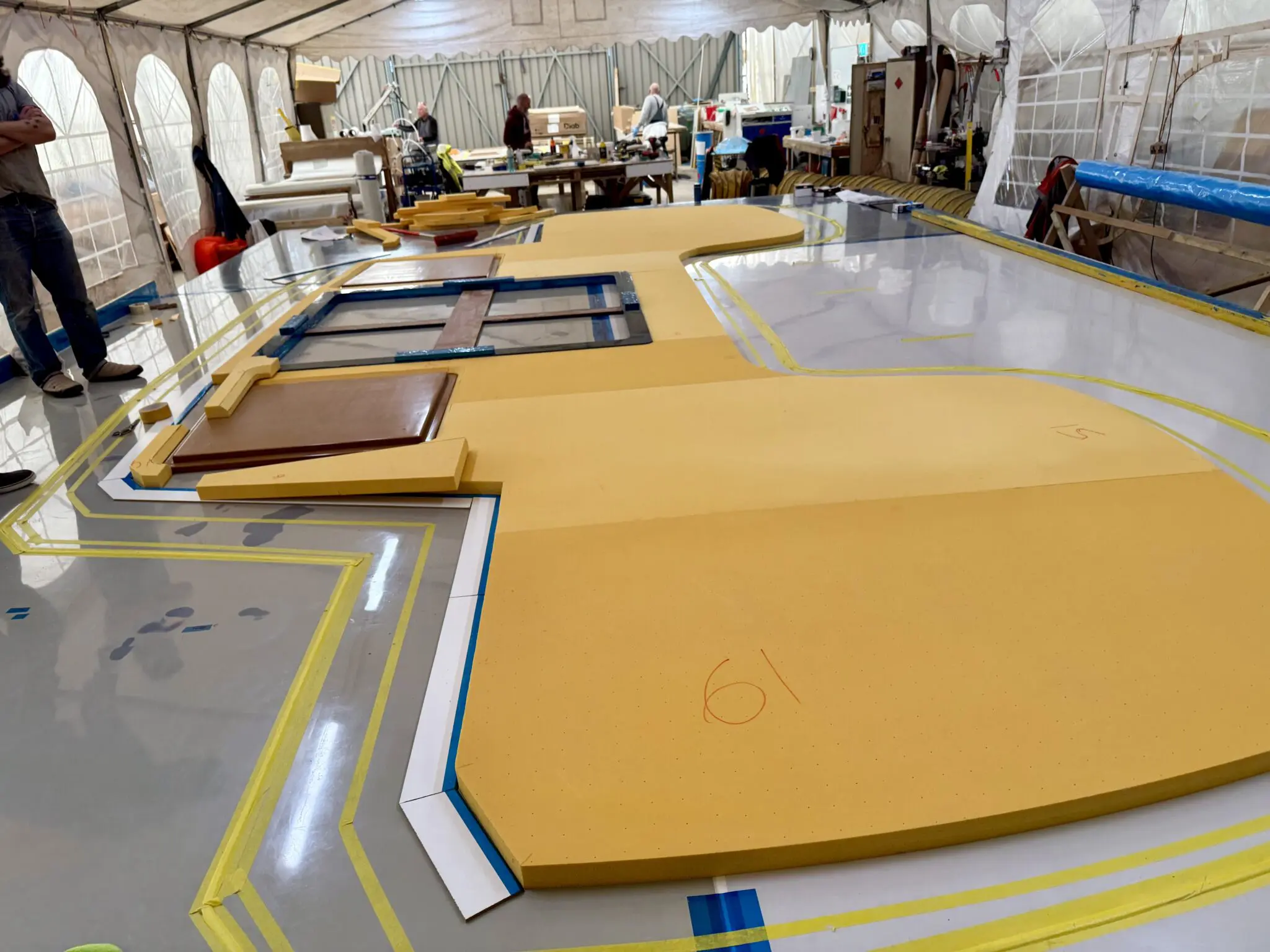
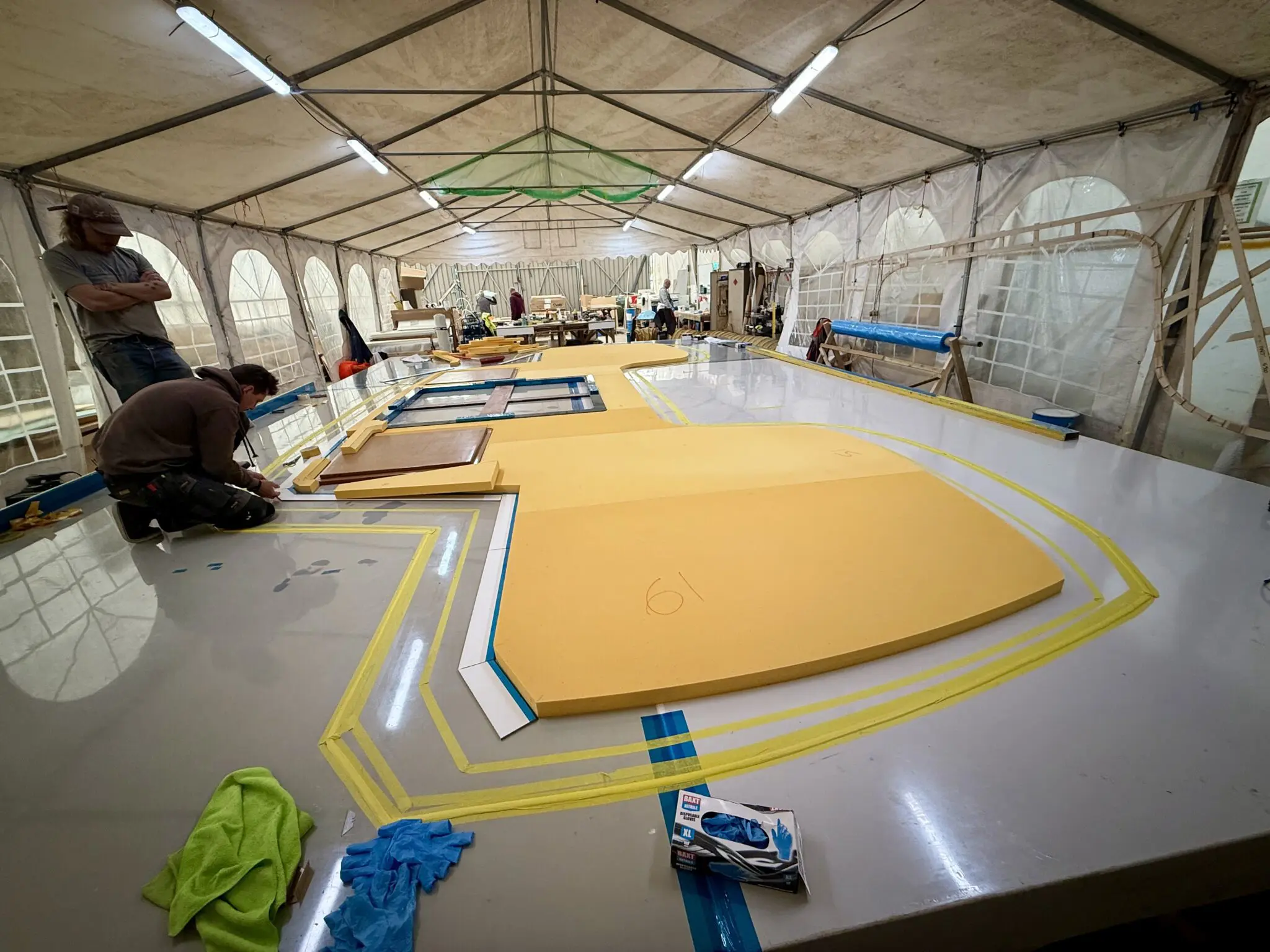
Before a single hull could take shape, the first task was to create the foundation for all future builds: the plugs and moulds.
The plug is, in essence, the full-size model from which the mould is formed. Its accuracy defines every curve and contour that follows. Once complete, the plug (and therefore the mould) becomes the master reference, allowing us to produce consistent, high-quality hulls for years to come.
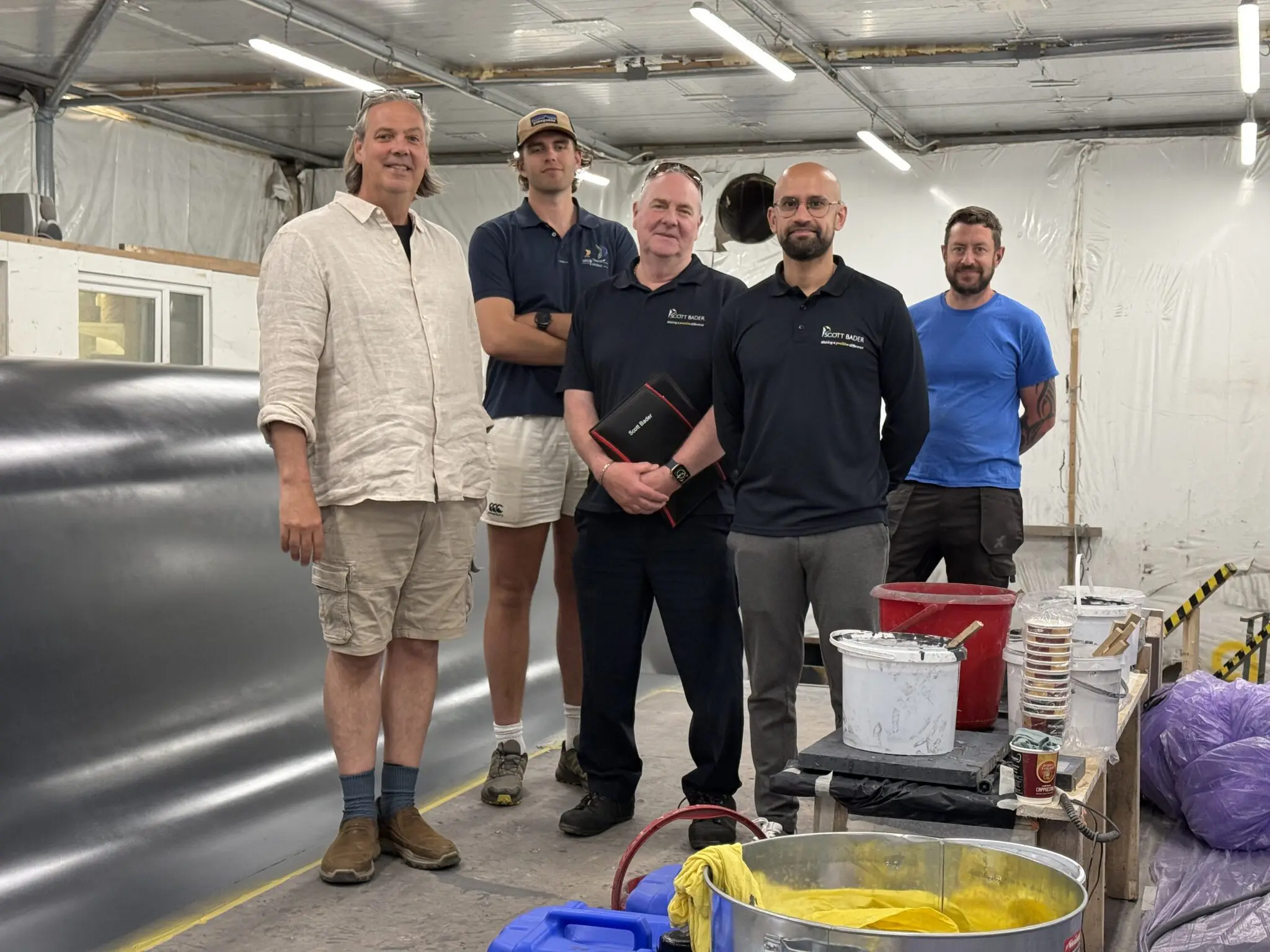
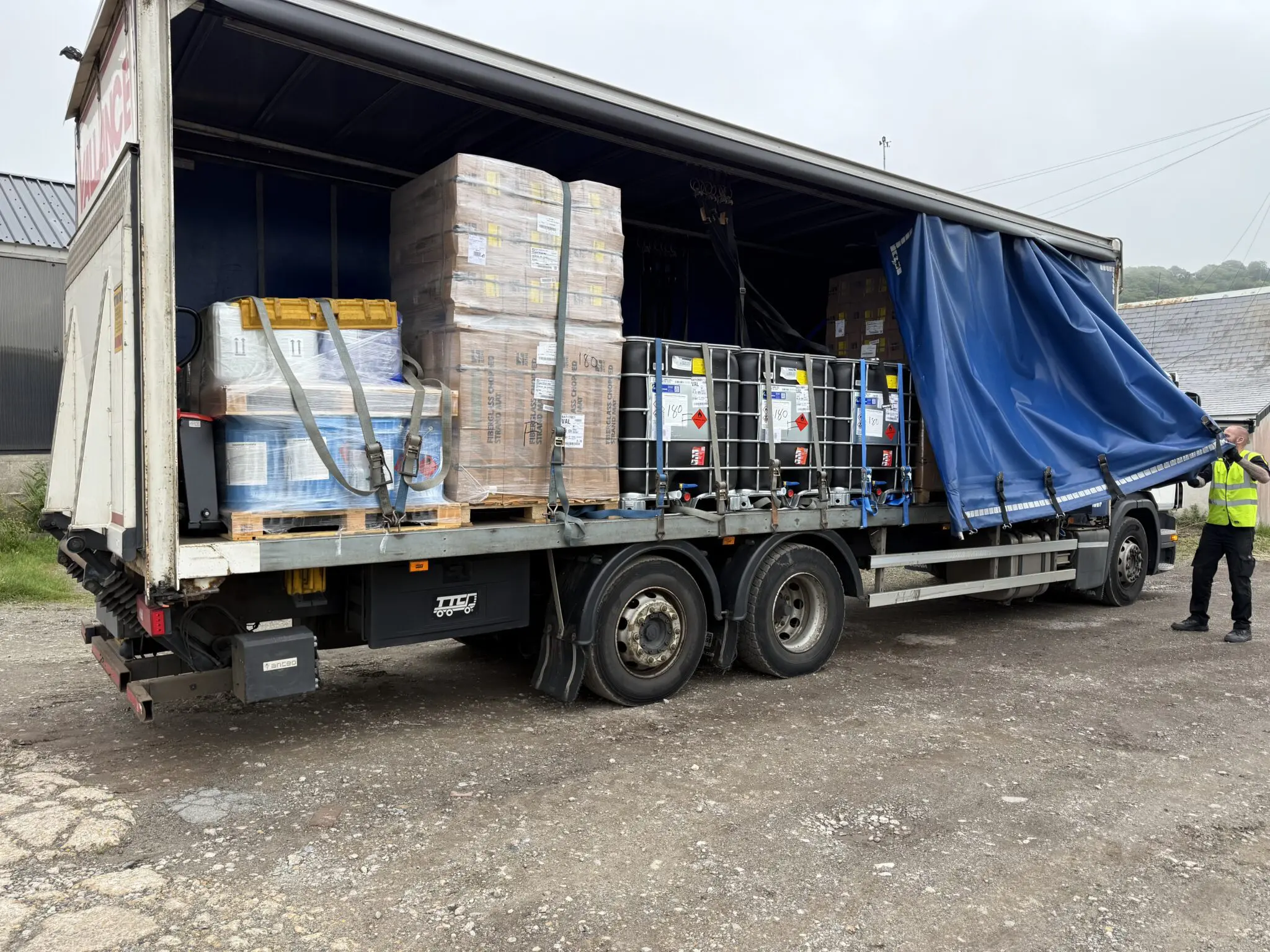
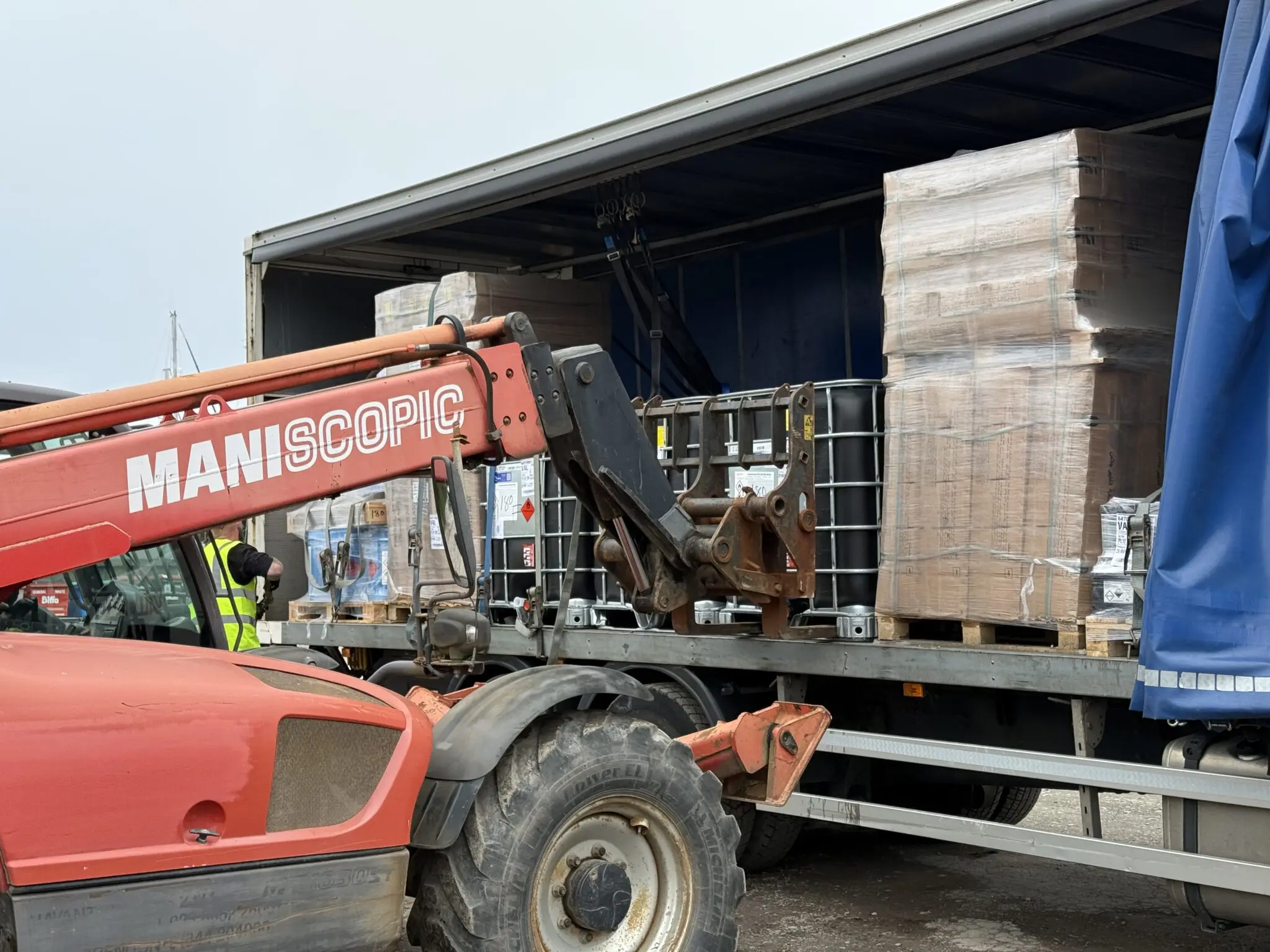
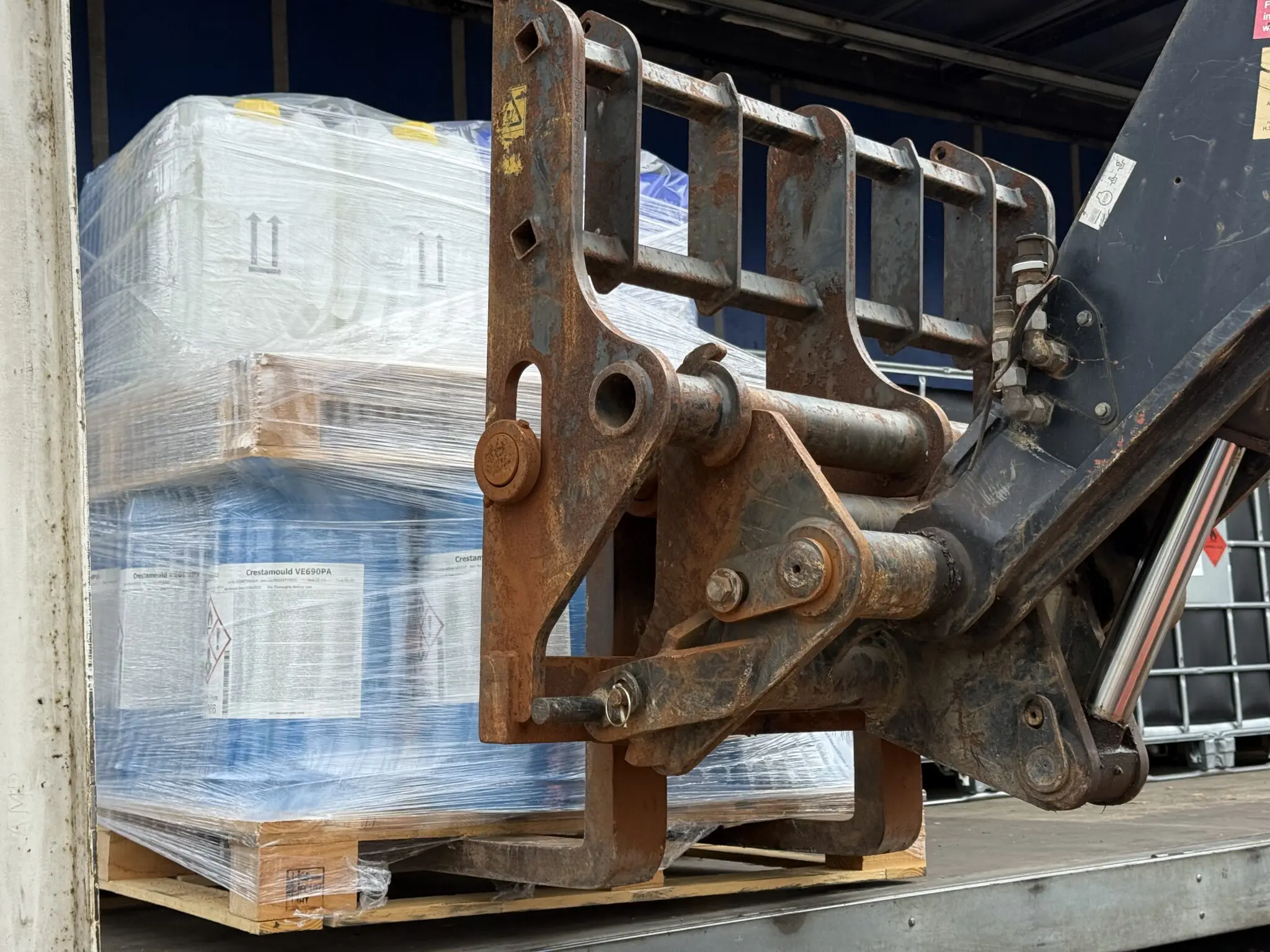
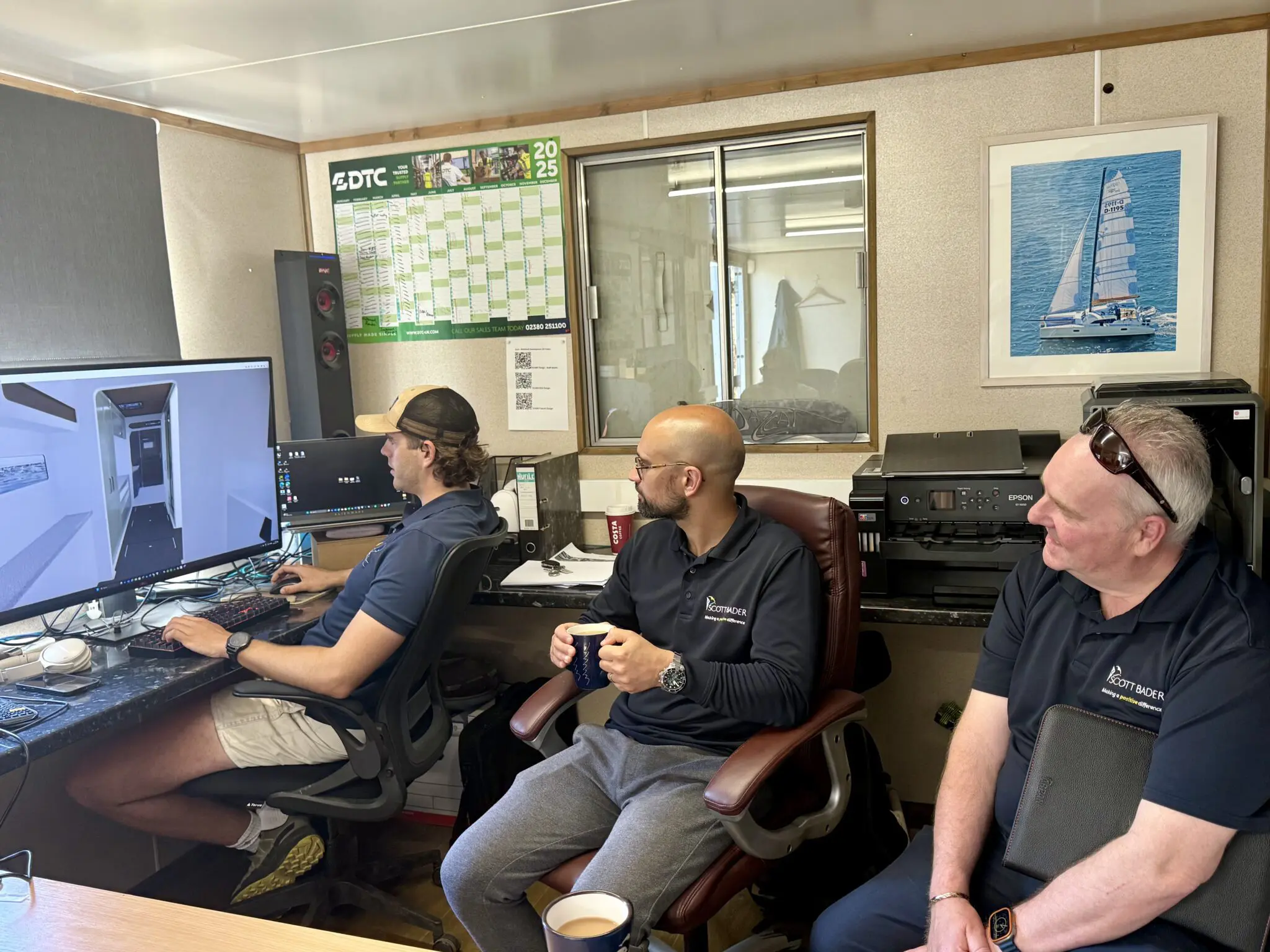
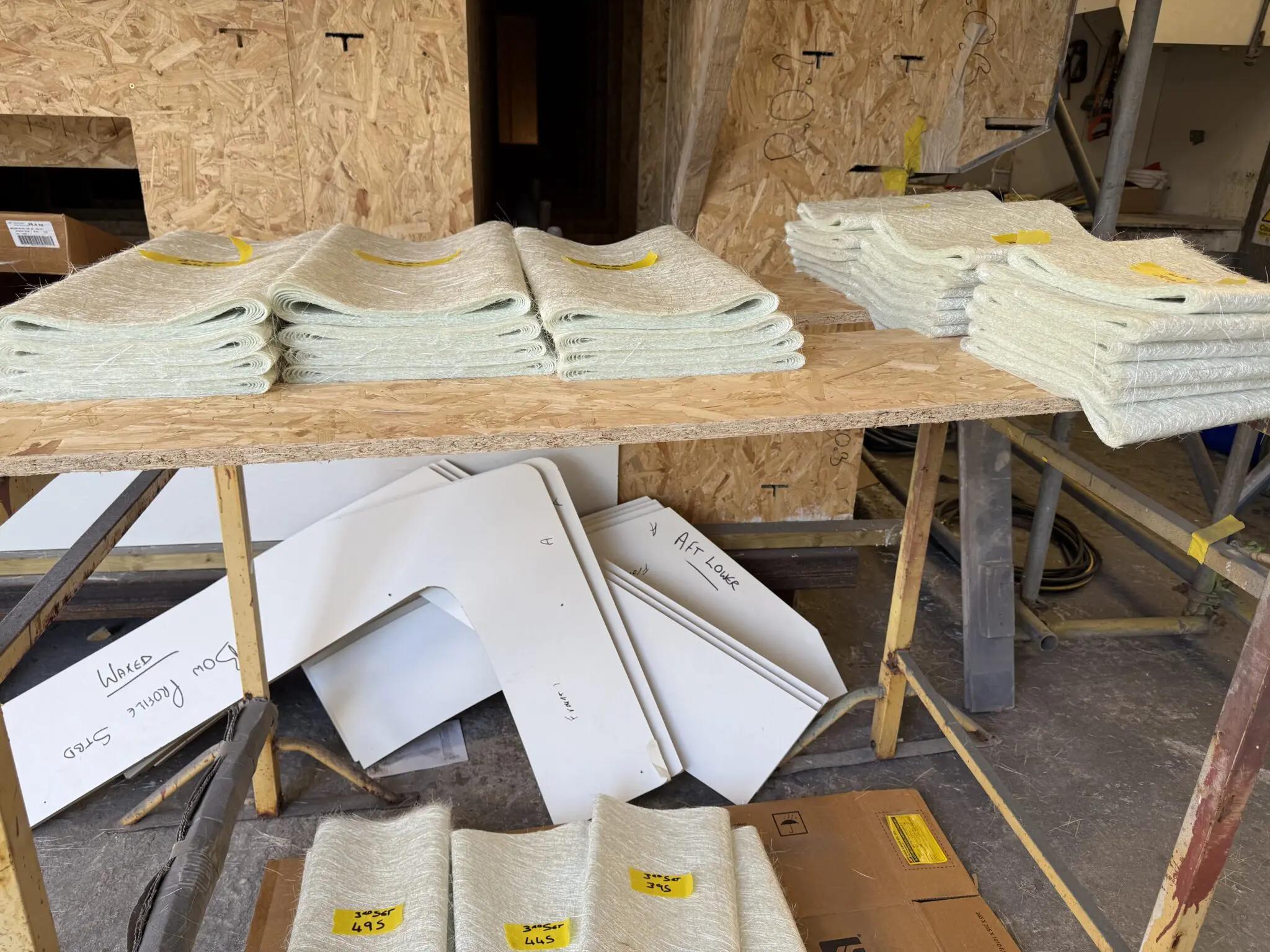
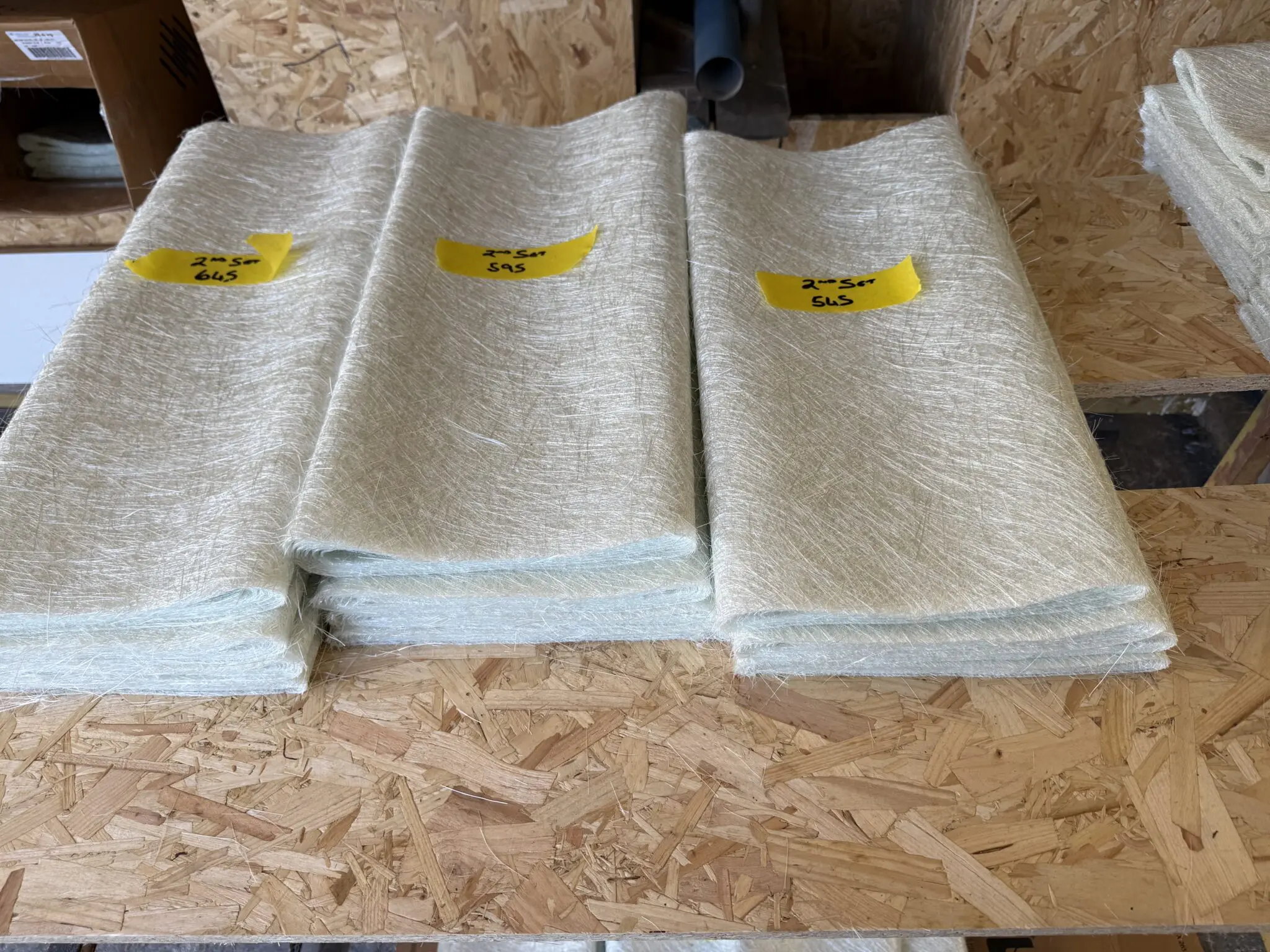
With excellent support from DSA sponsor Scott Bader, who delivered the materials we needed swiftly and in full, the team was able to maintain pace through this demanding early stage. Their reliability helped keep momentum high as we laid the groundwork for the first Dazcat 1500 hull - the first of many to come.
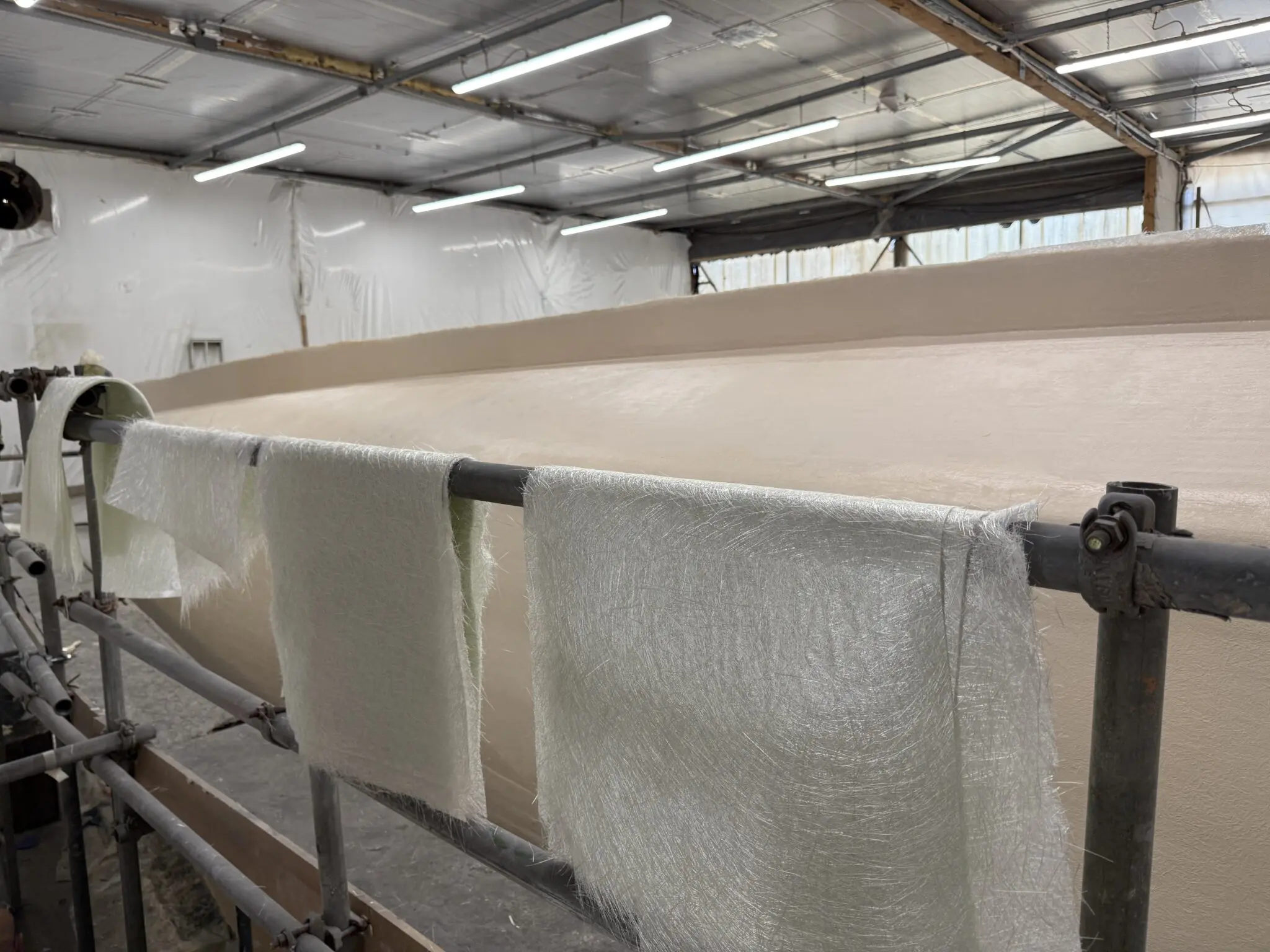
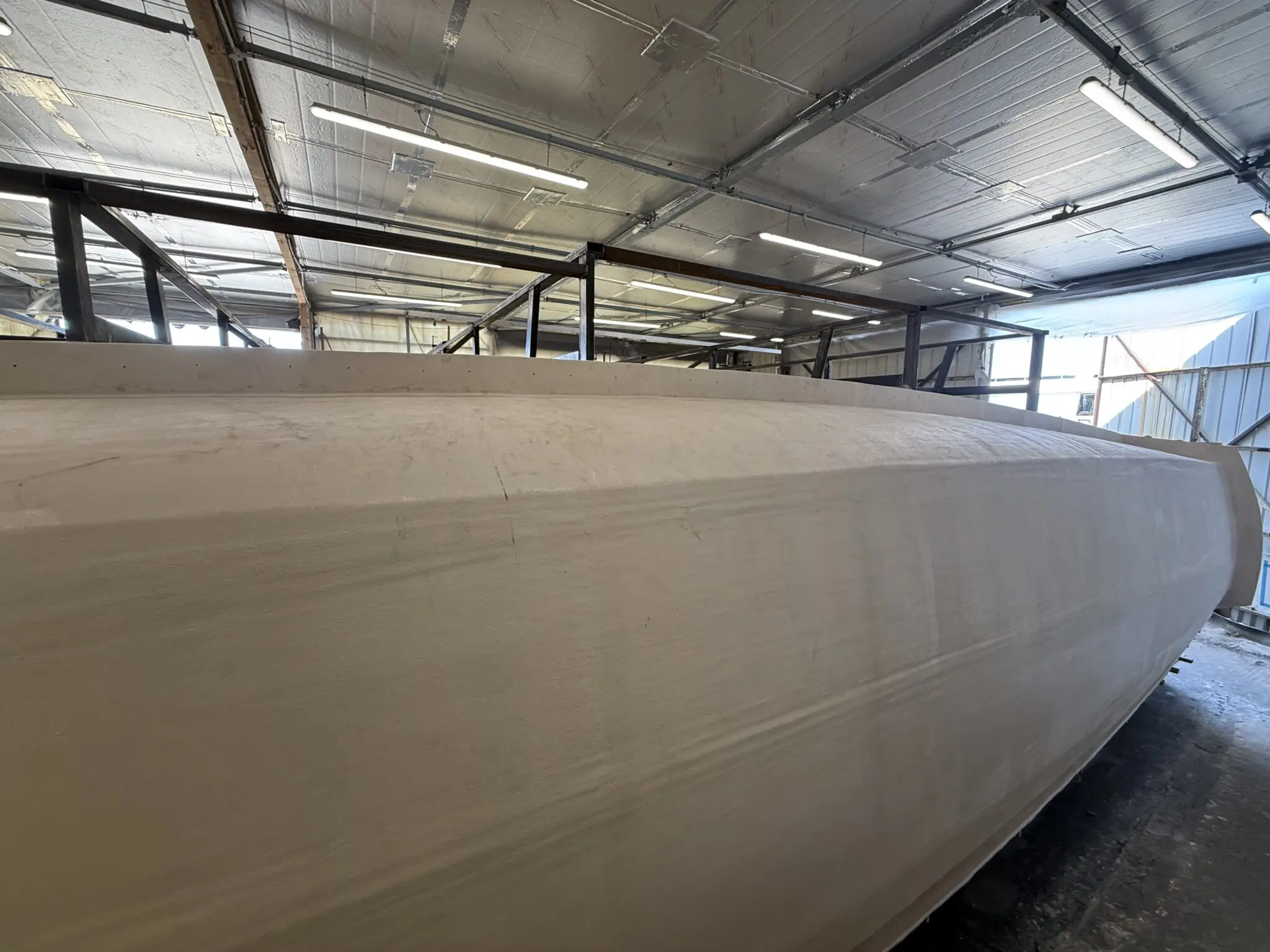
The story of this stage of the build is told through the images and video below.

Phase 2 & 3 - The Infusion Process
With the plugs and moulds ready, it was time to bring the first Dazcat 1500 hull to life, and that meant time forinfusion process.
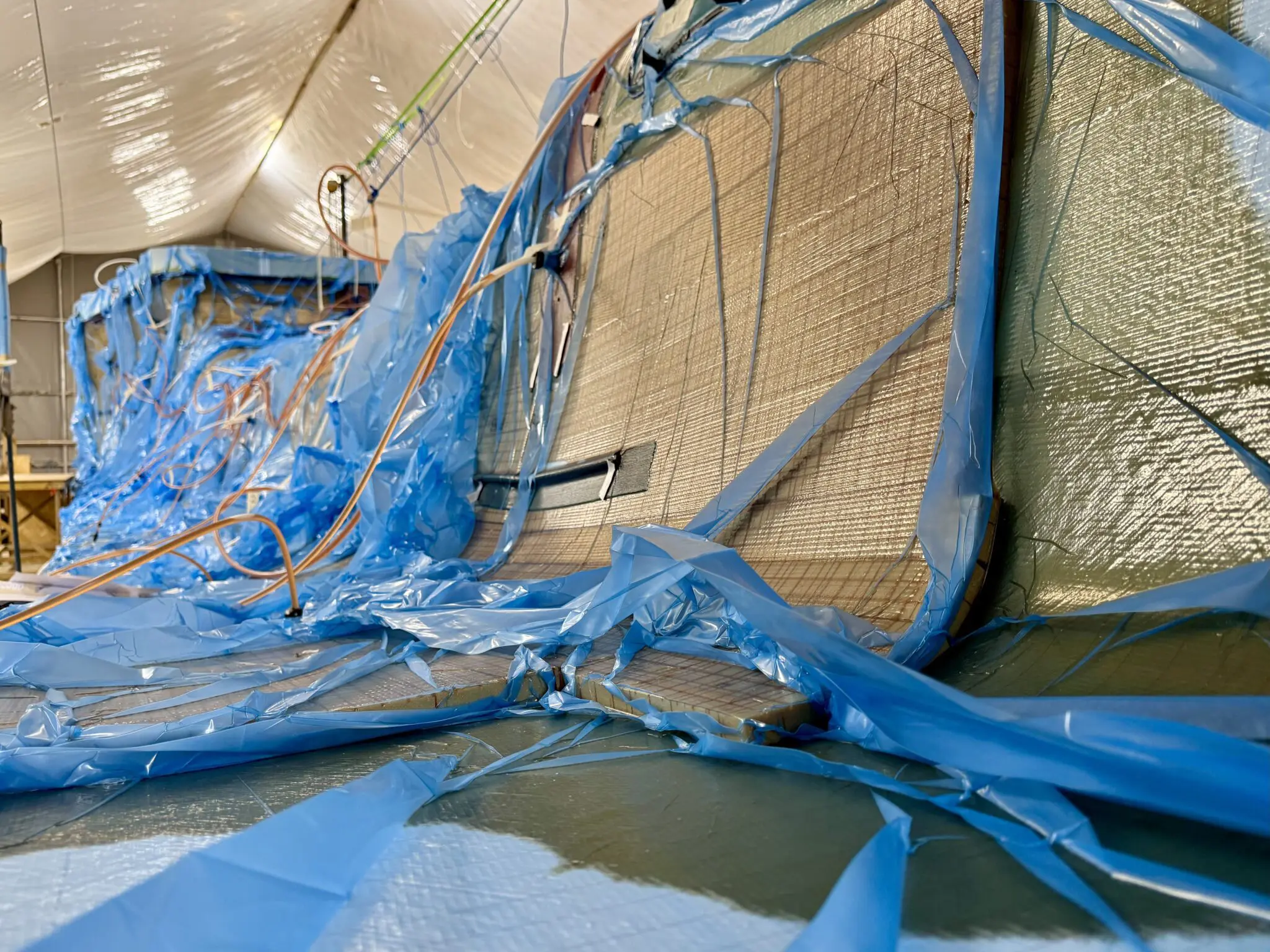
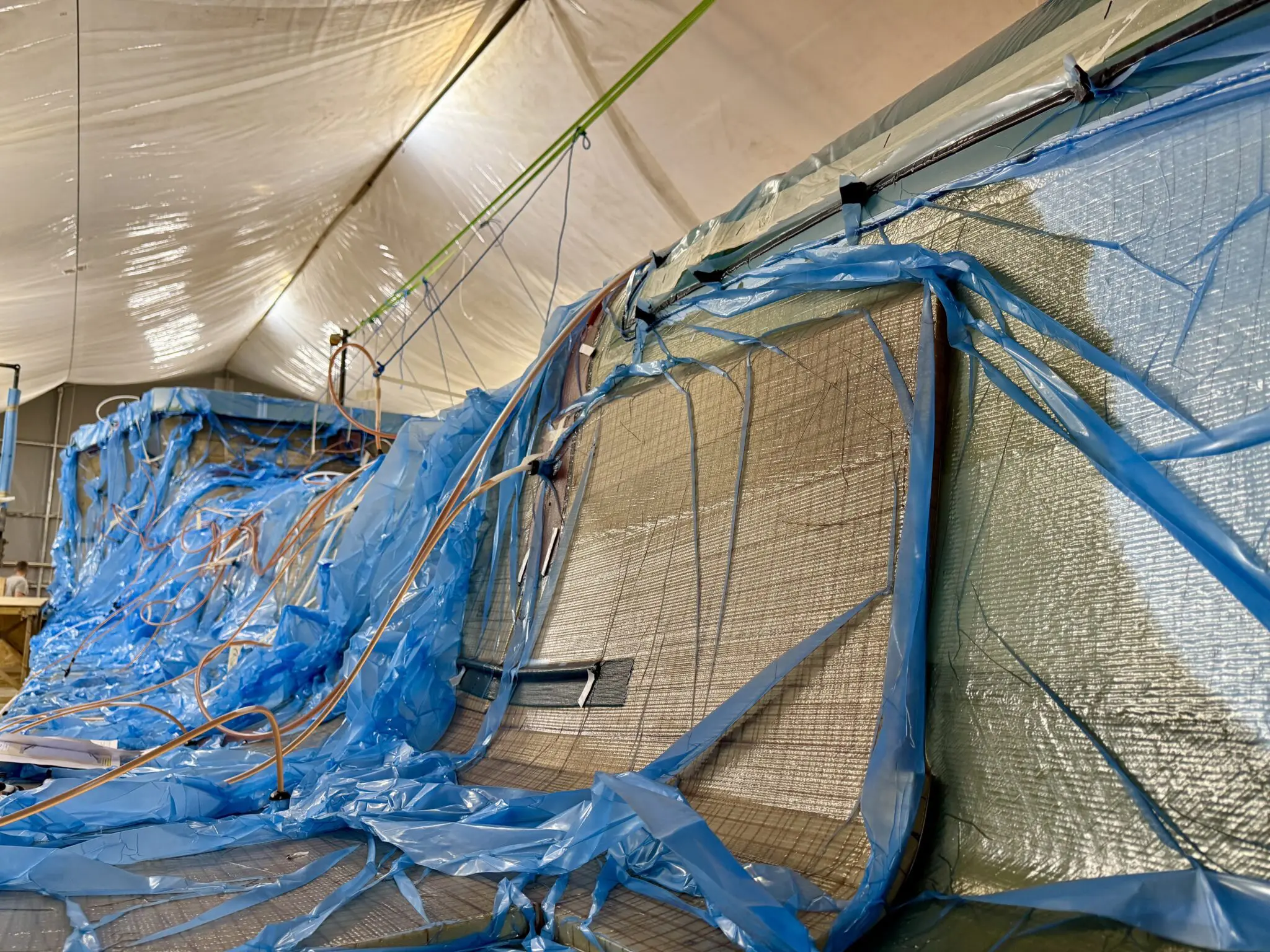
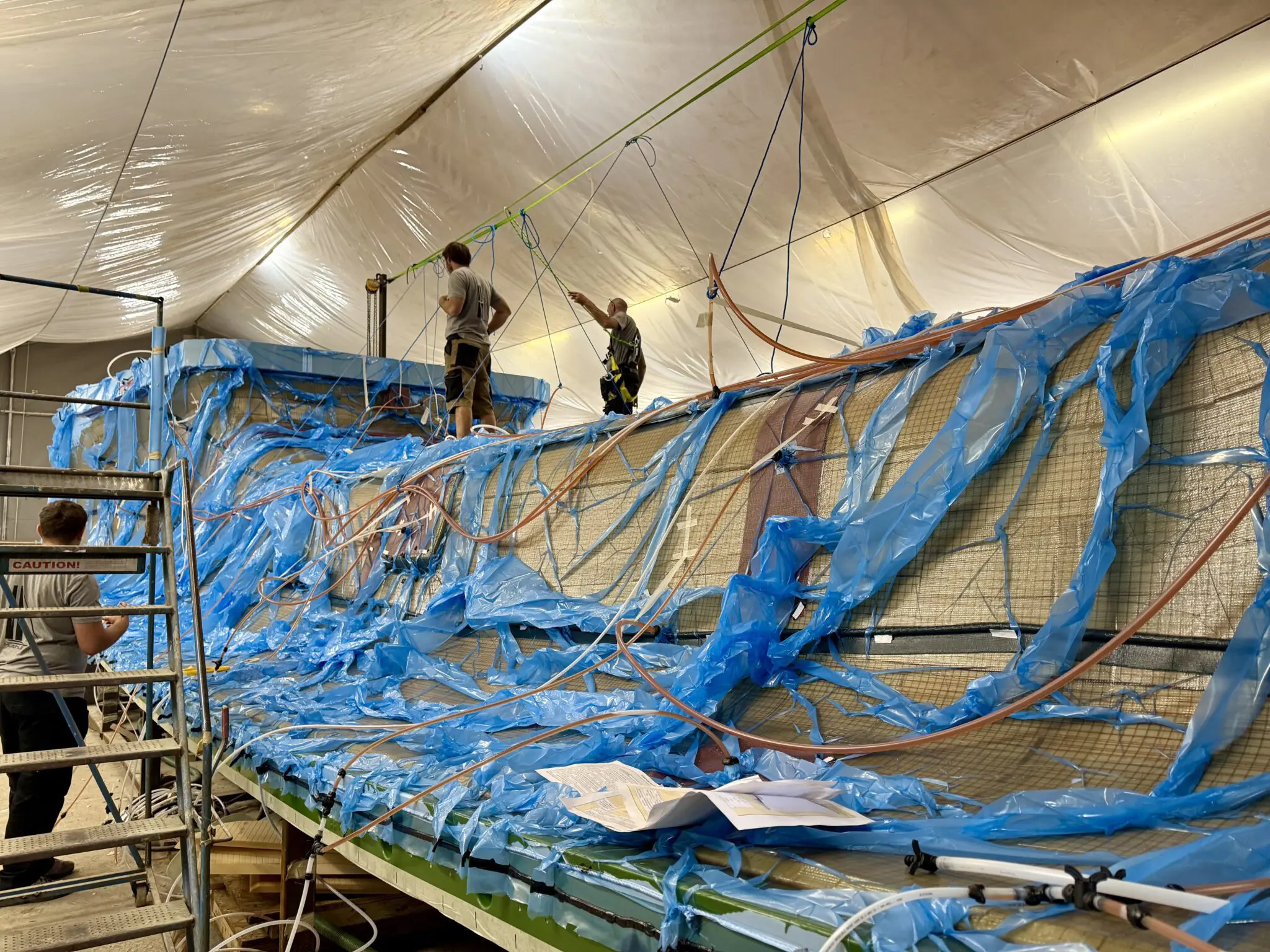
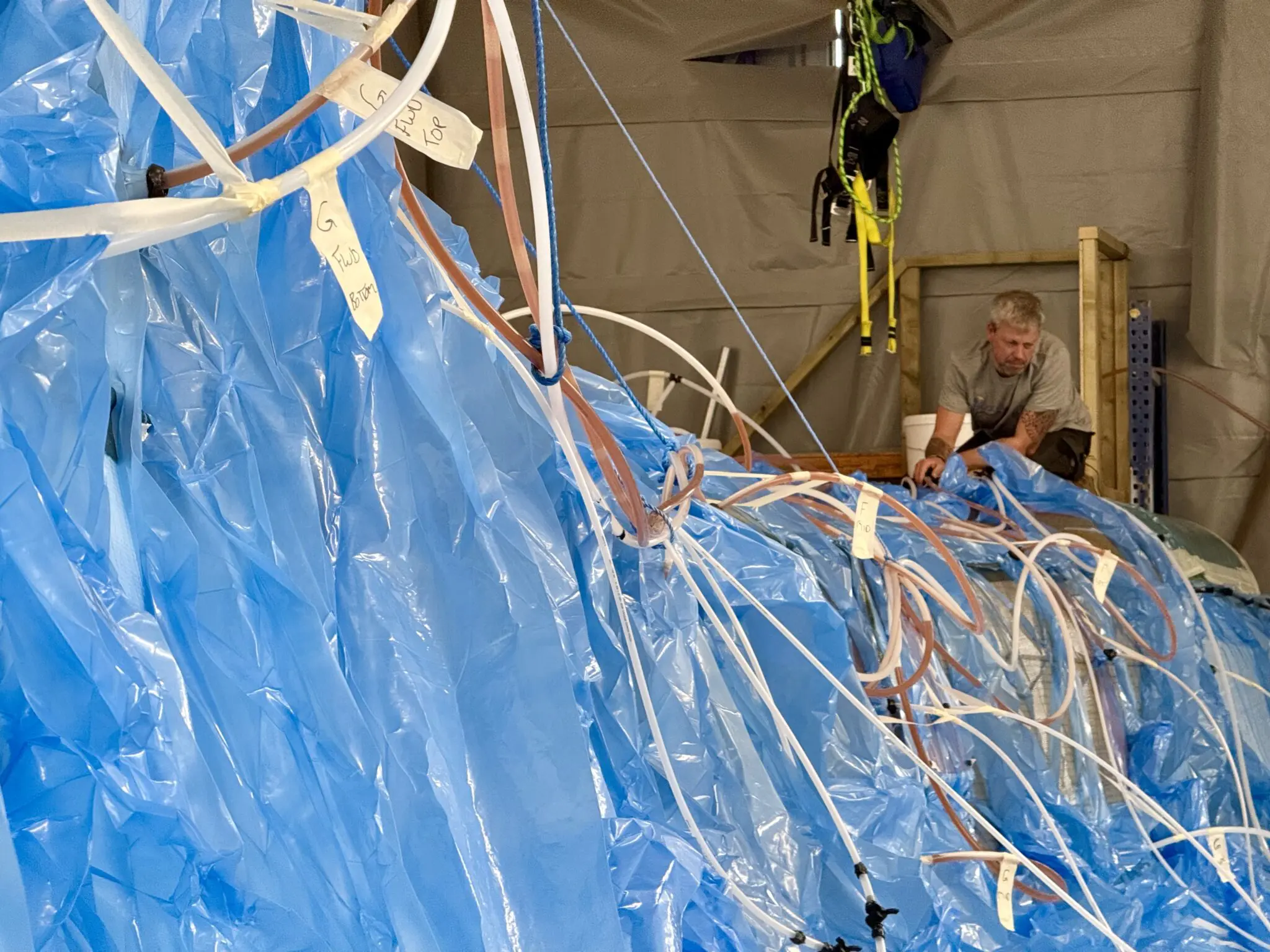
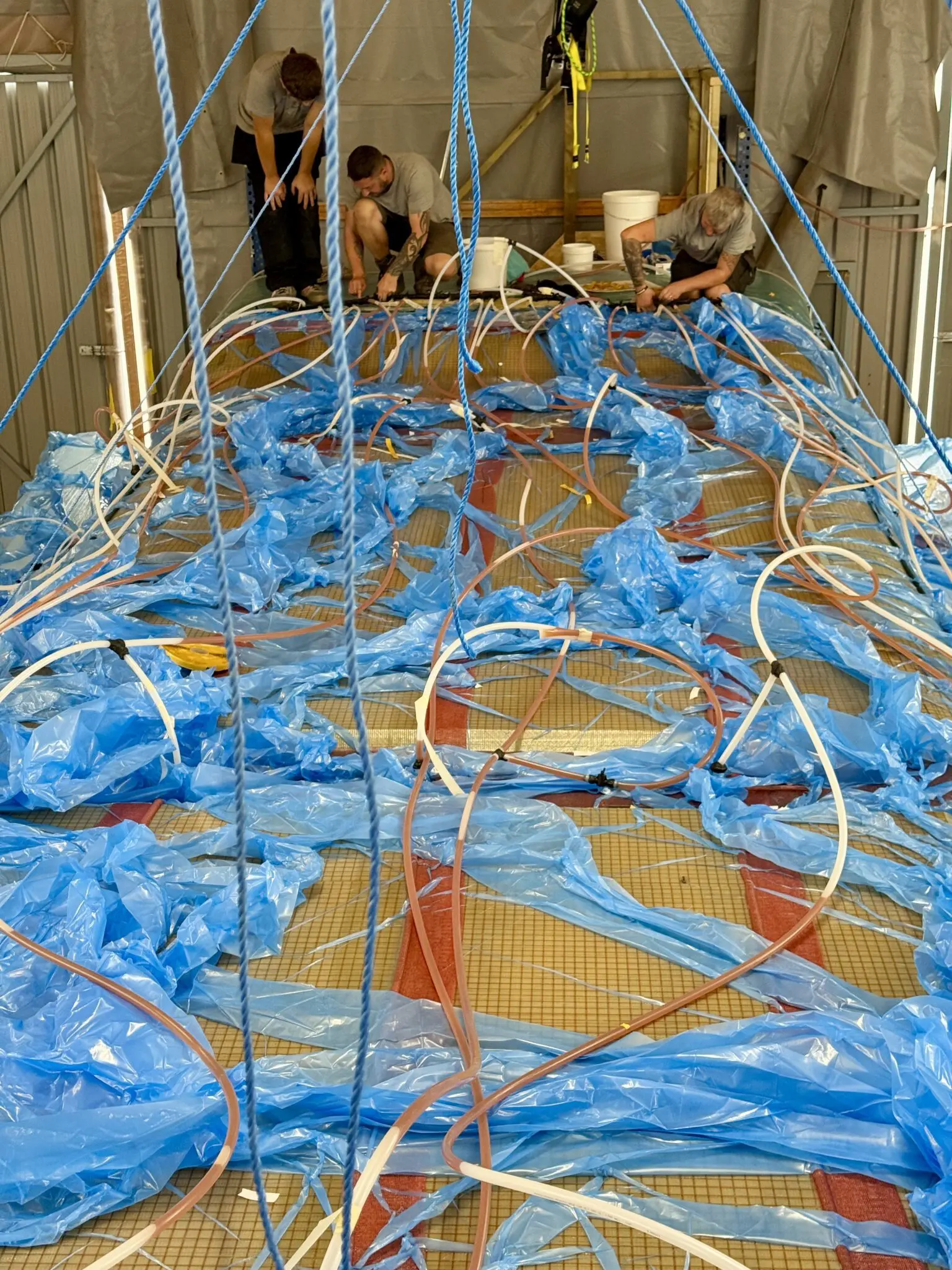
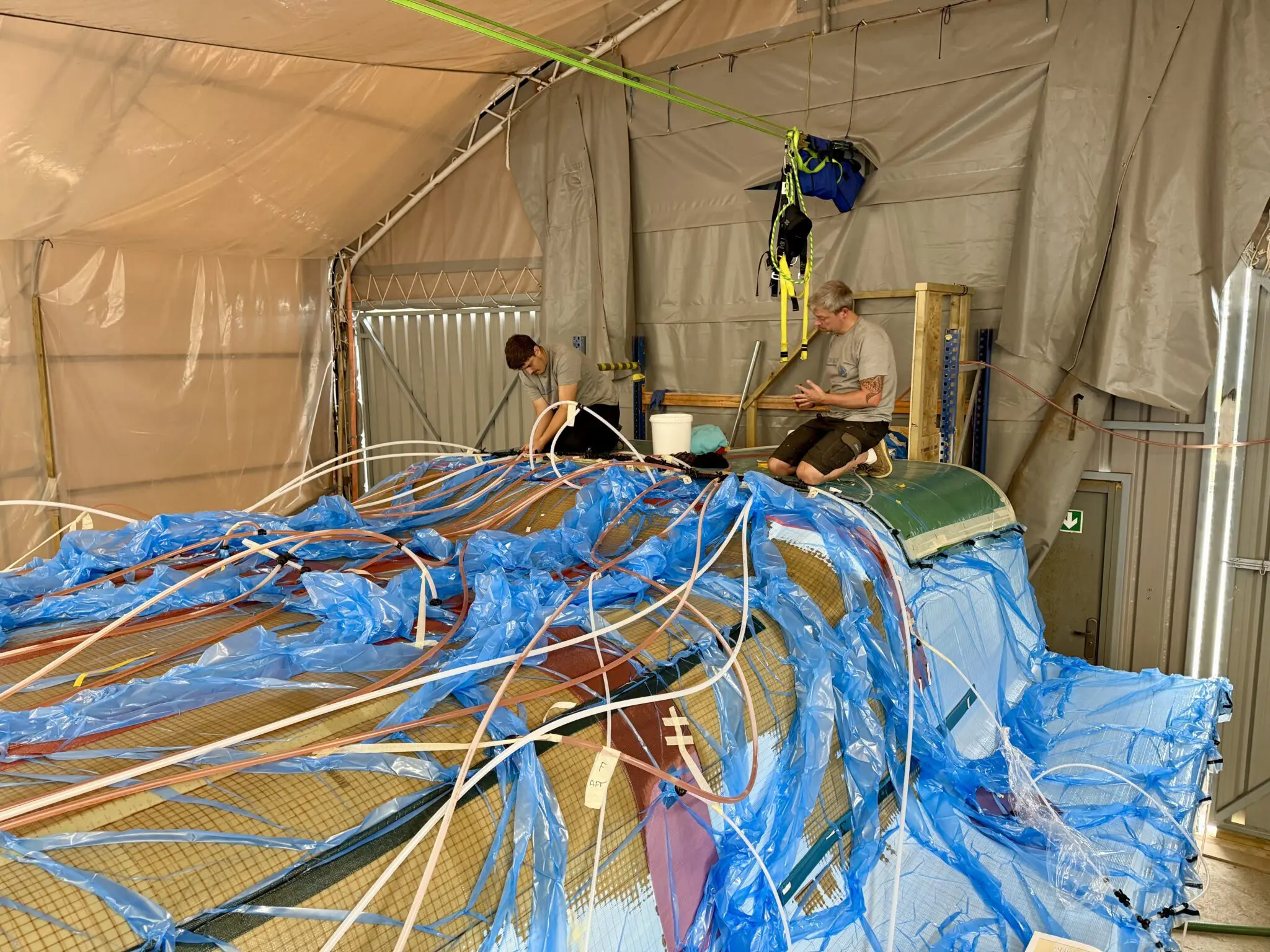
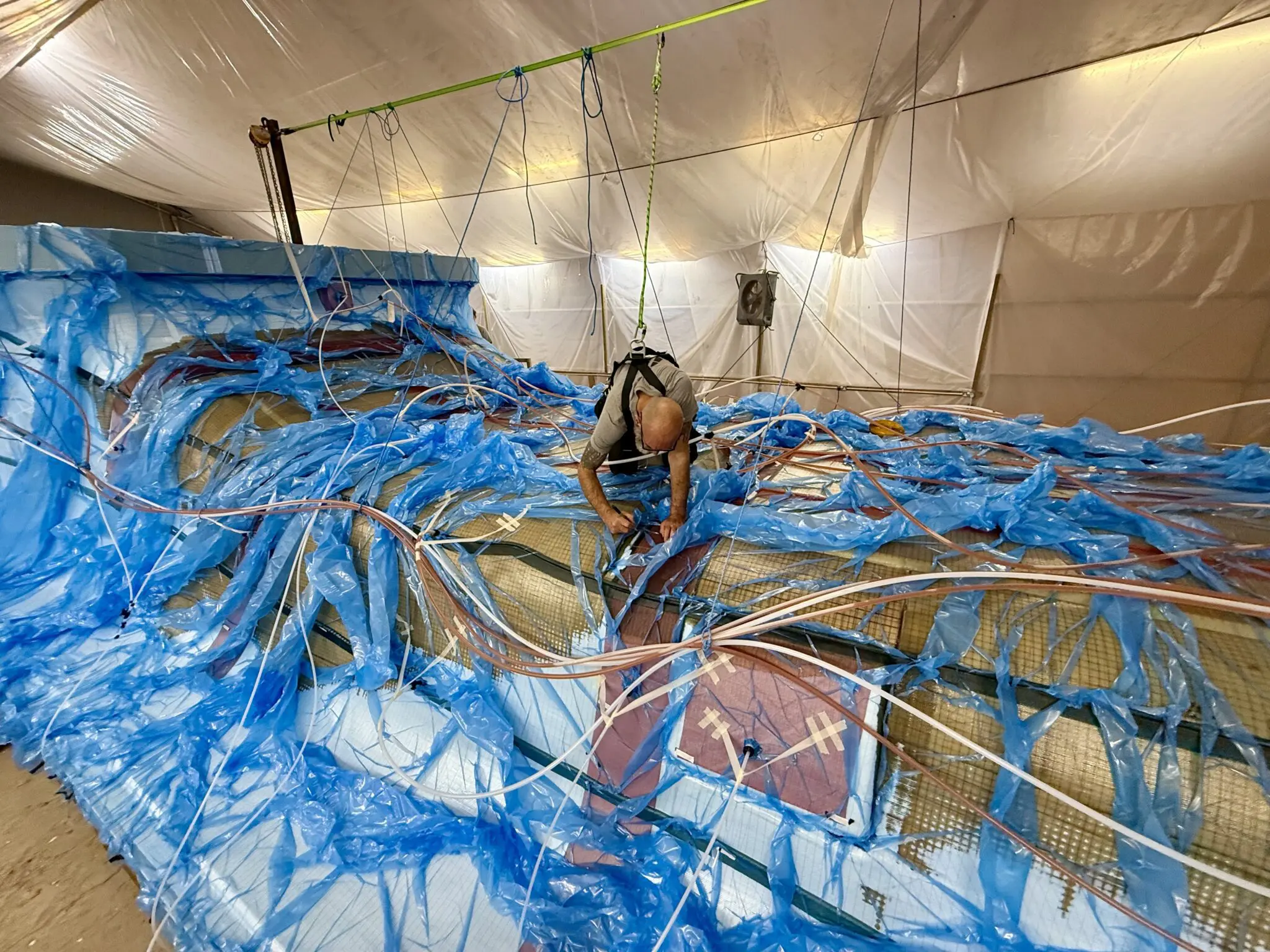
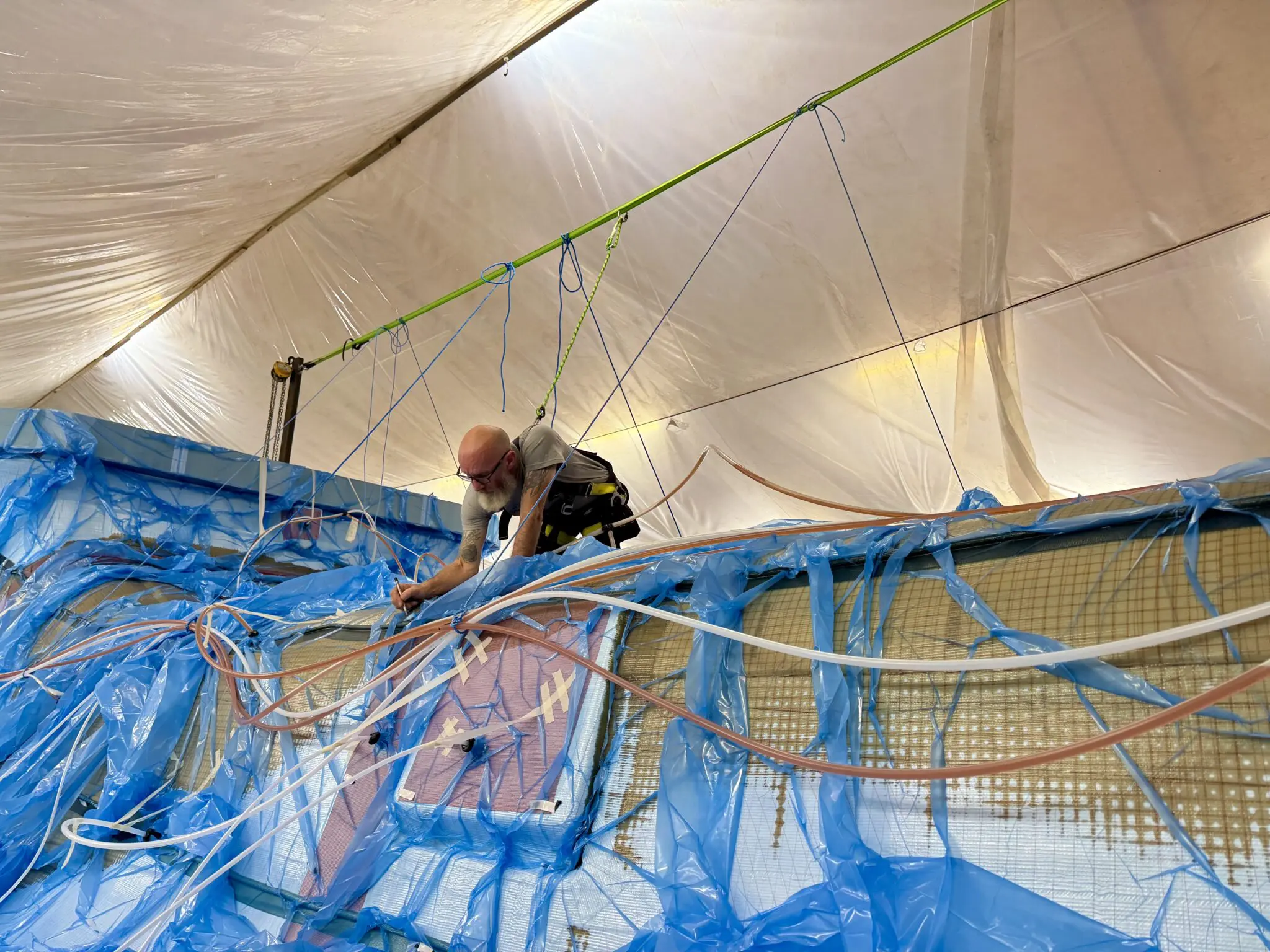
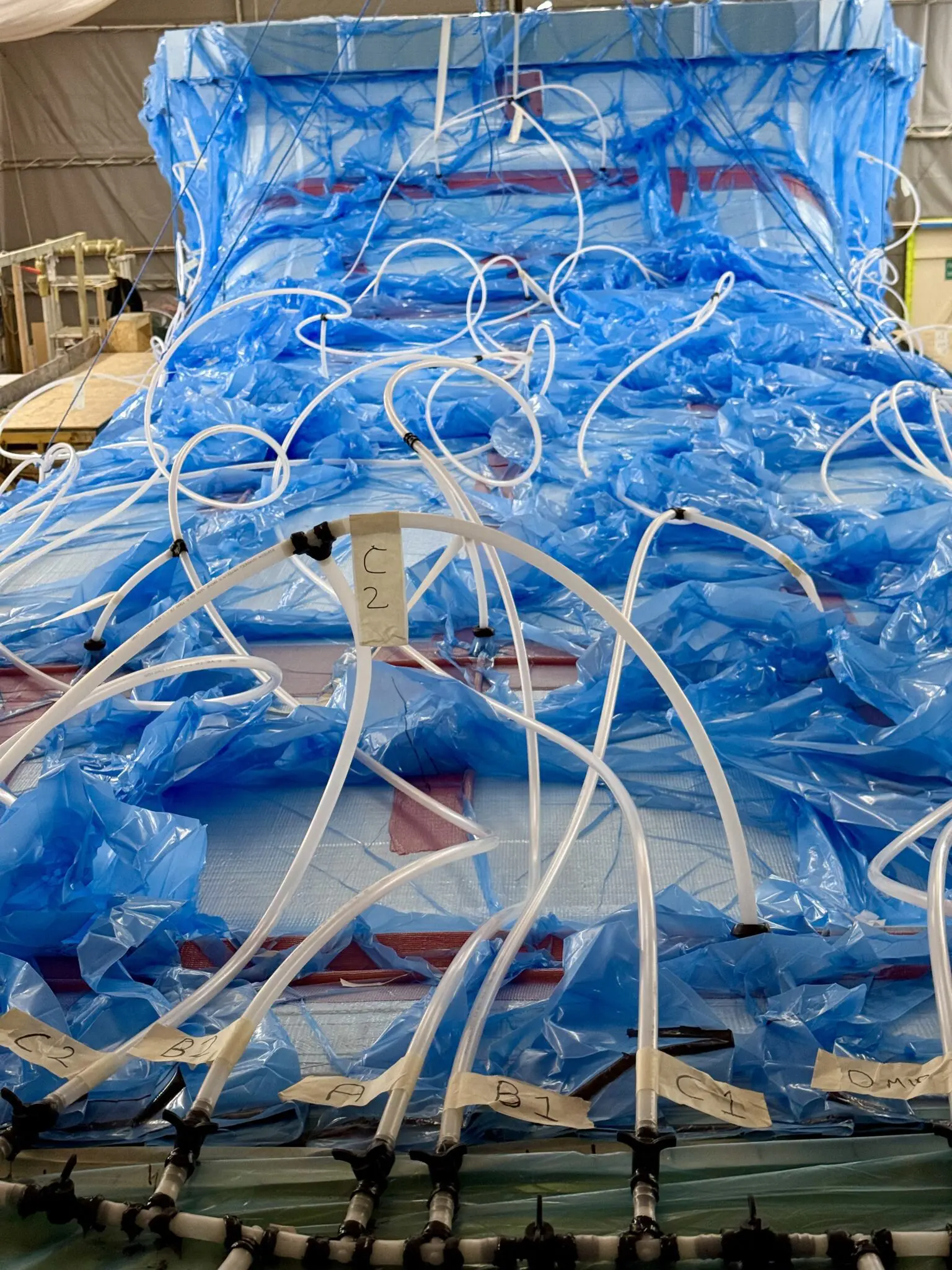
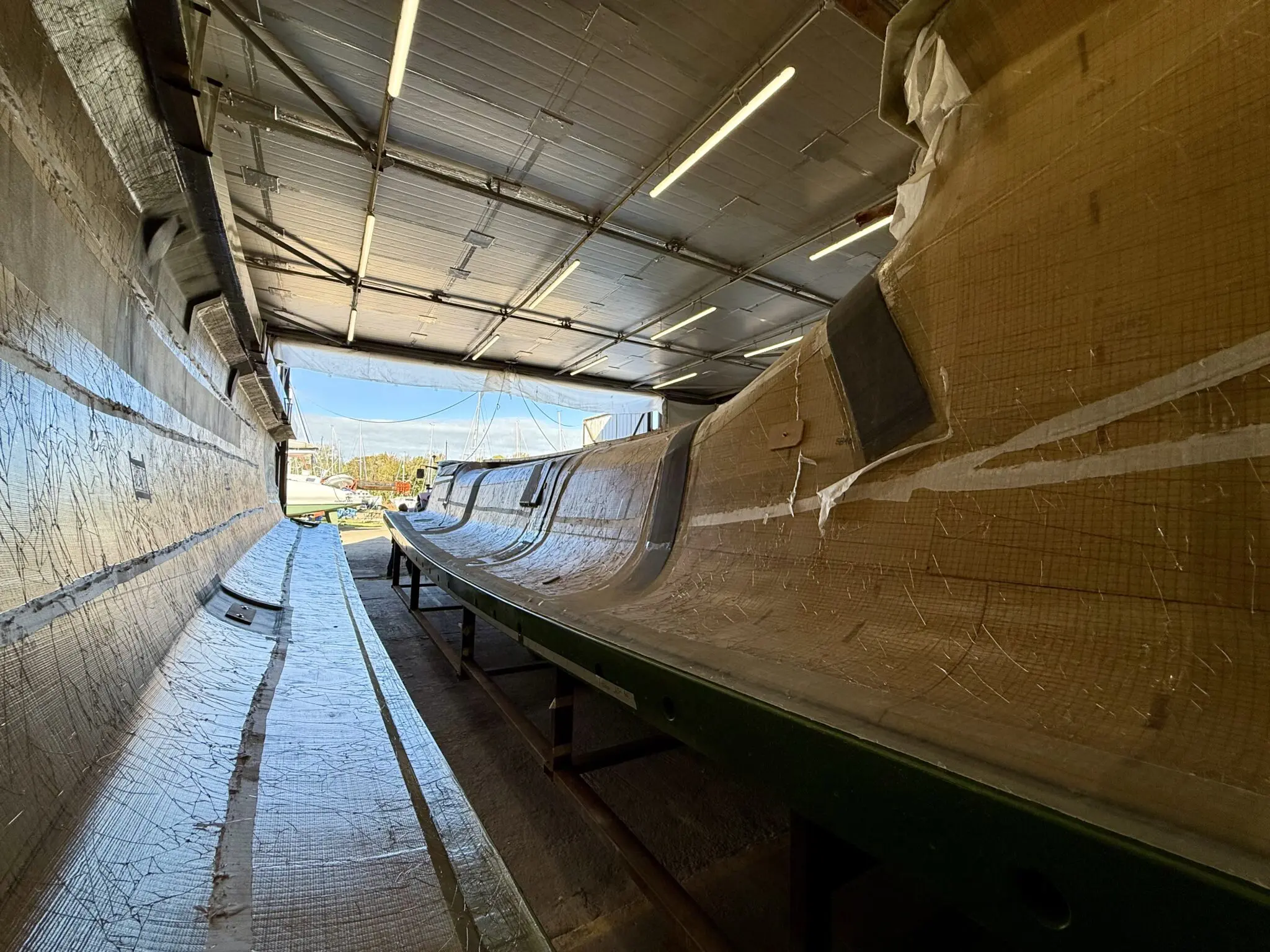
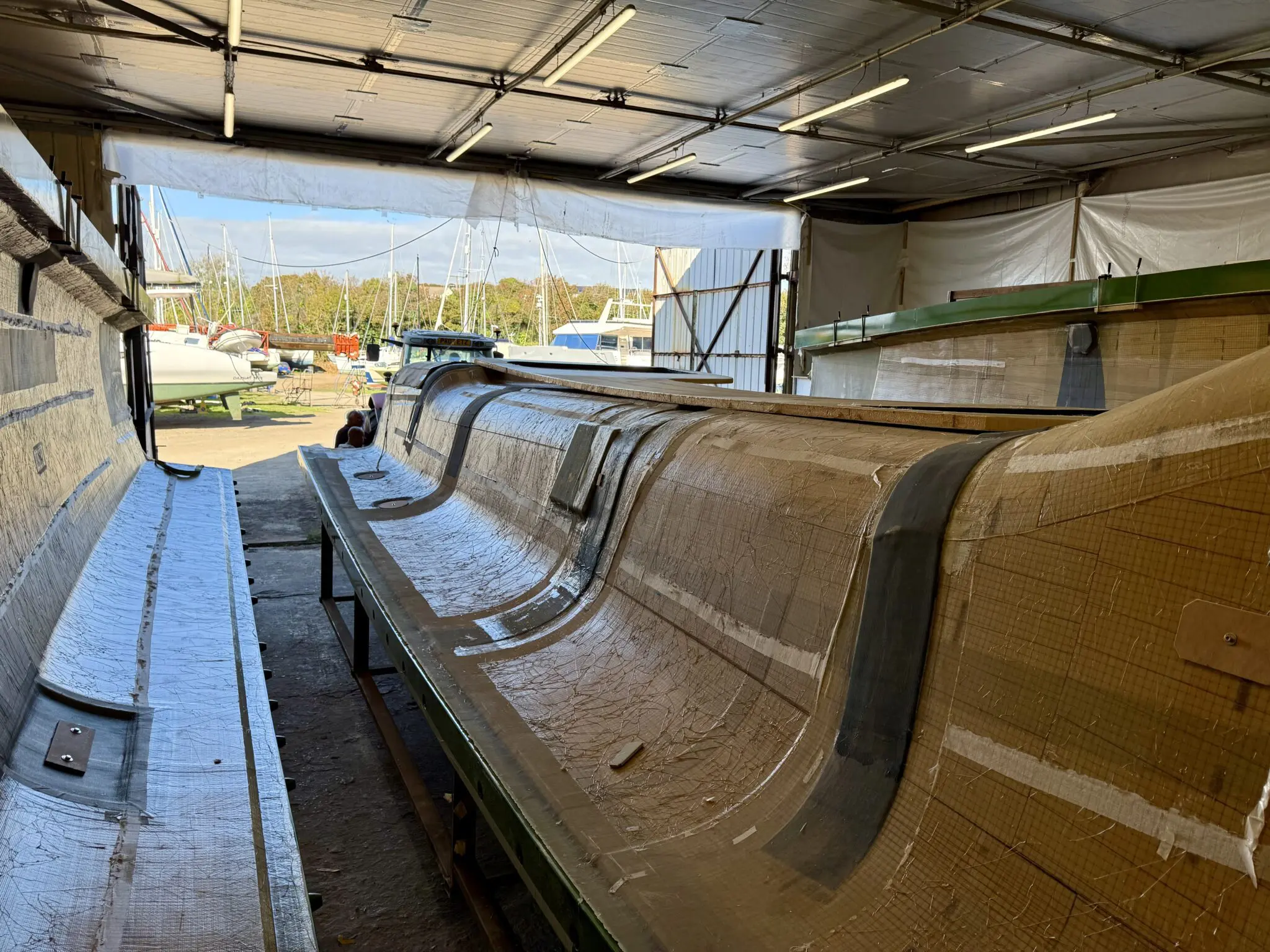
Infusion, sometimes called vacuum-assisted resin transfer, is where precision meets patience. Once the dry fibres are carefully laid in the mould, a vacuum draws resin evenly through the laminate, ensuring full saturation without gaps or air pockets. The result is a hull that is not only strong and lightweight but also consistently shaped, reflecting every curve from the original plug.
This stage requires meticulous preparation: sealing the mould, positioning peel ply, flow media, and vacuum lines, and double-checking every connection. Once everything is ready, the resin is introduced, and the vacuum does its work, pulling the material into every corner and contour. Watching the resin flow through the laminate is almost hypnotic, a visible transformation as raw fibres turn into a solid, high-performance structure.
Thanks to careful planning, teamwork, and a deep understanding of the materials, the infusion proceeded smoothly, laying the first hull of the Dazcat 1500 with precision and efficiency. It’s a step that sets the standard for all subsequent builds, combining engineering rigor with a craftsperson’s eye for detail.
Phase 4 - Joining the hulls & Wet Deck
DSA Dazcat 1500 – Part 4: When It Finally Starts to Look Recognisable as a Boat
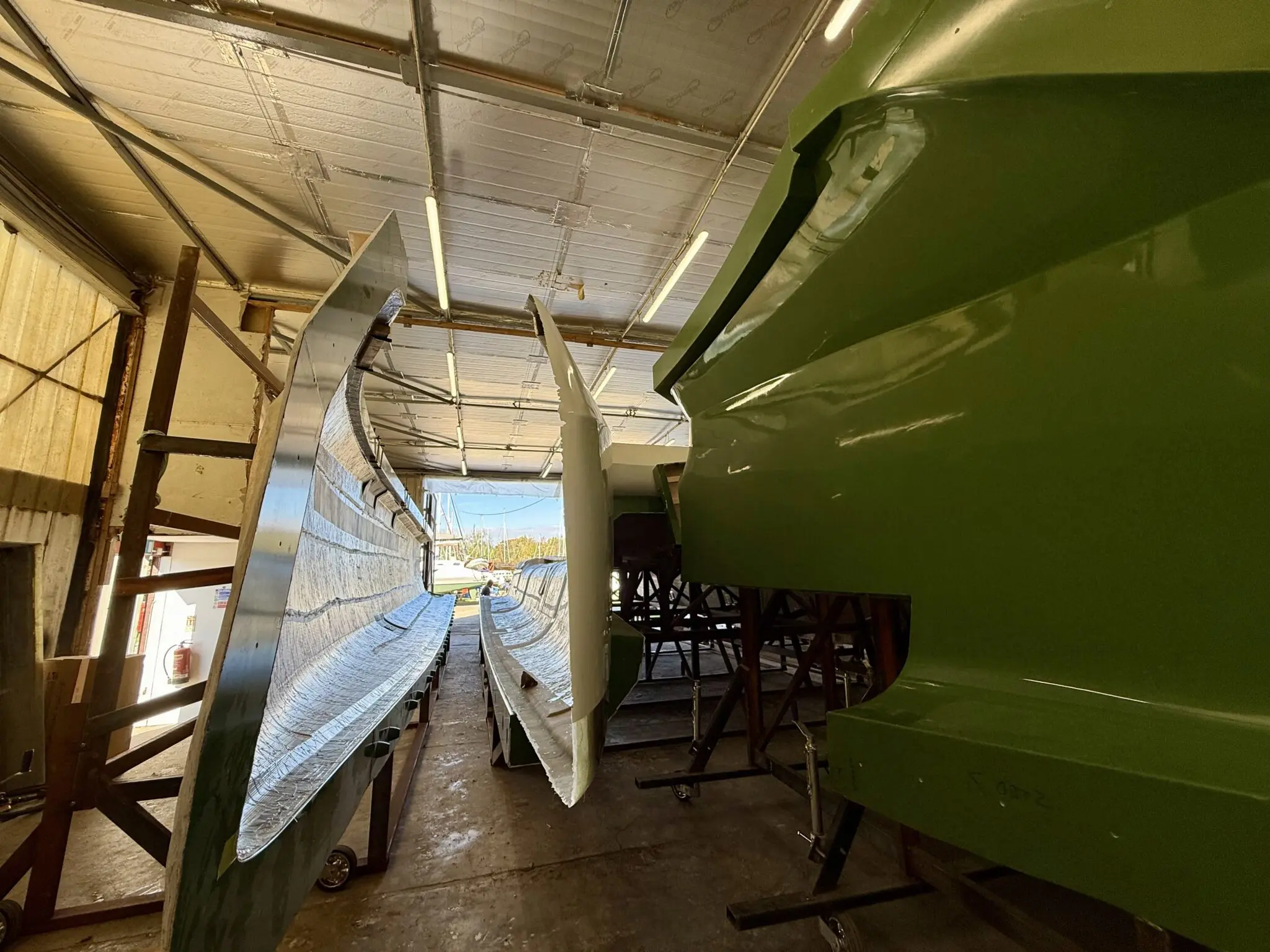
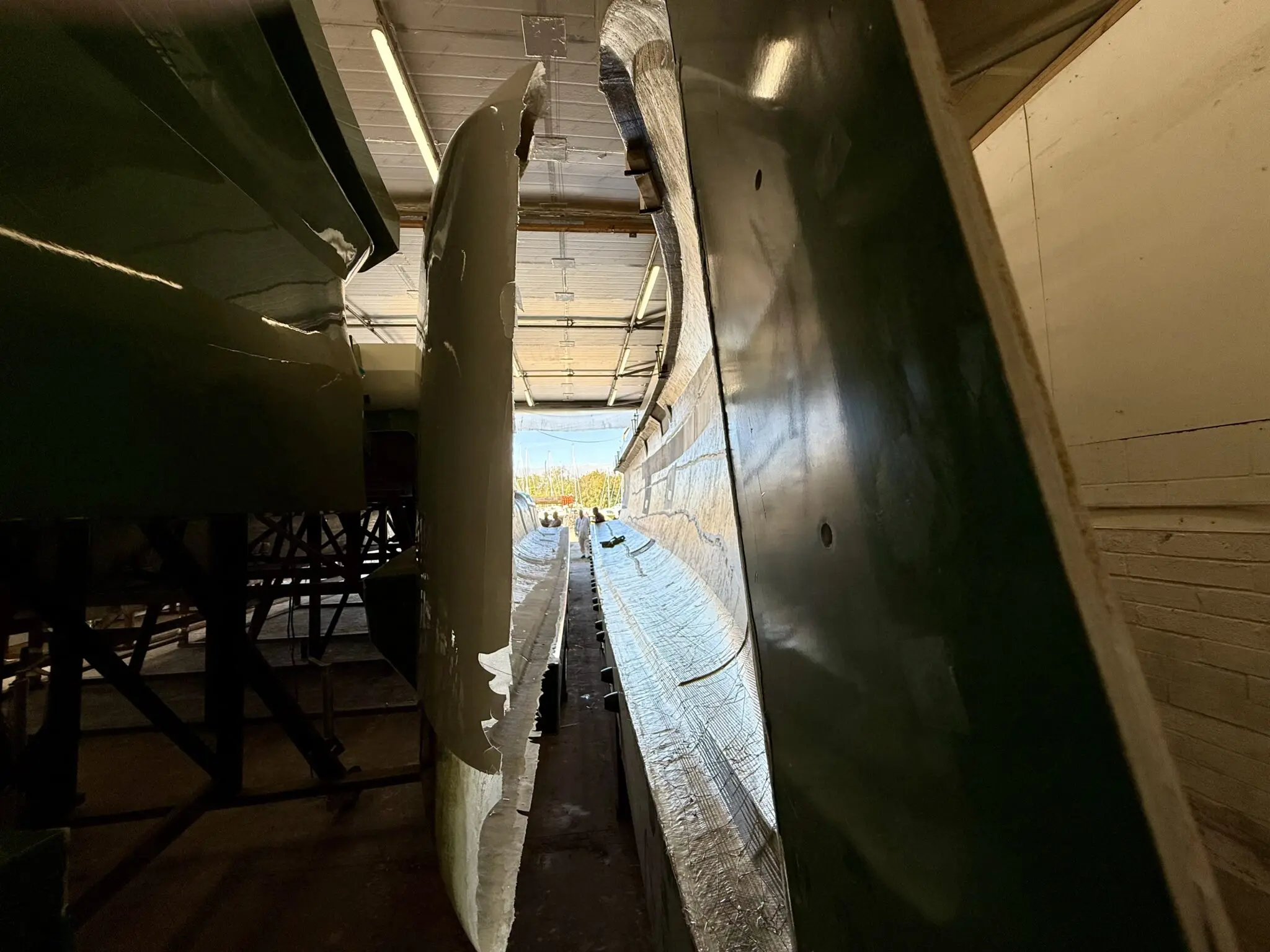
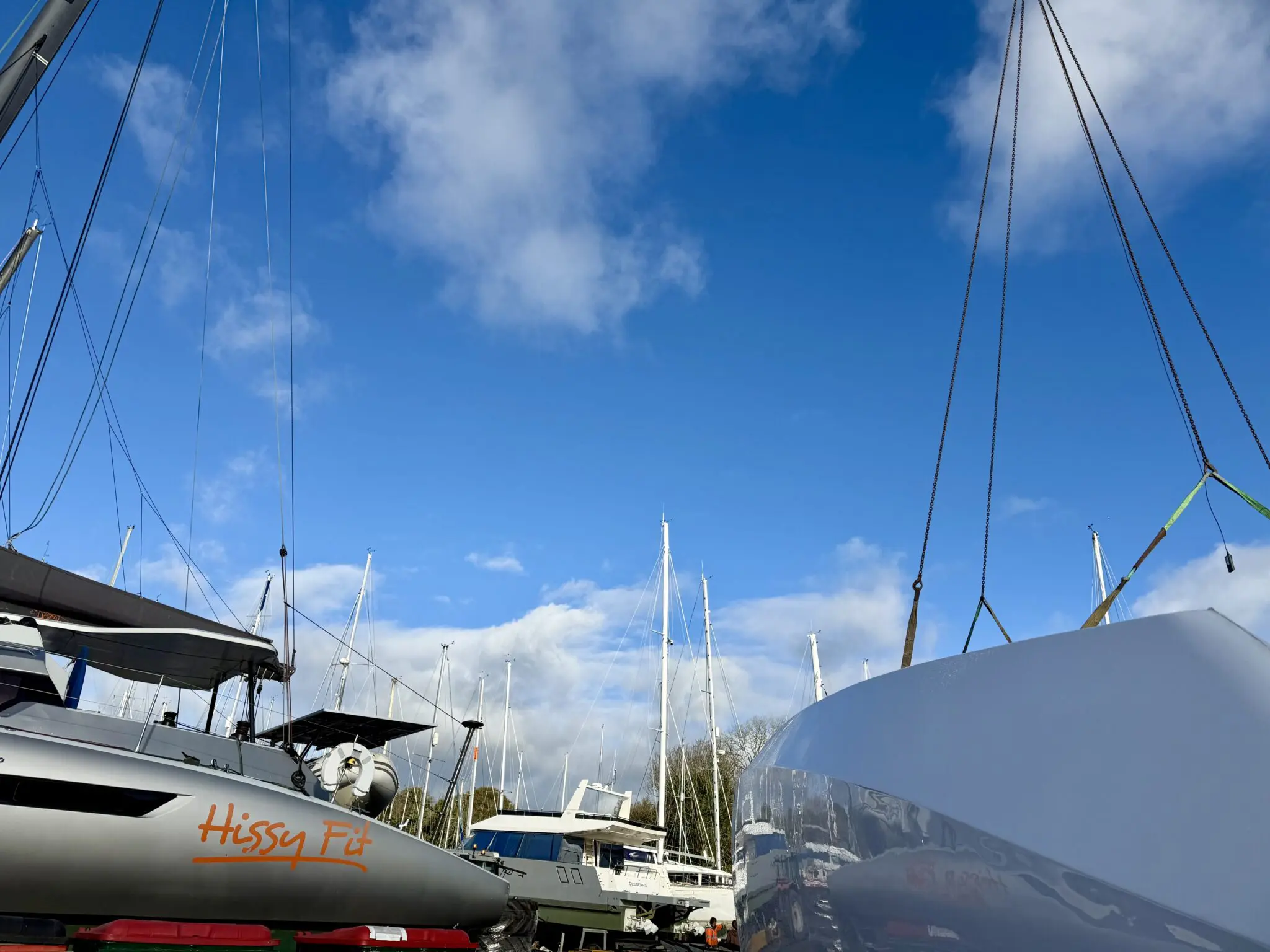
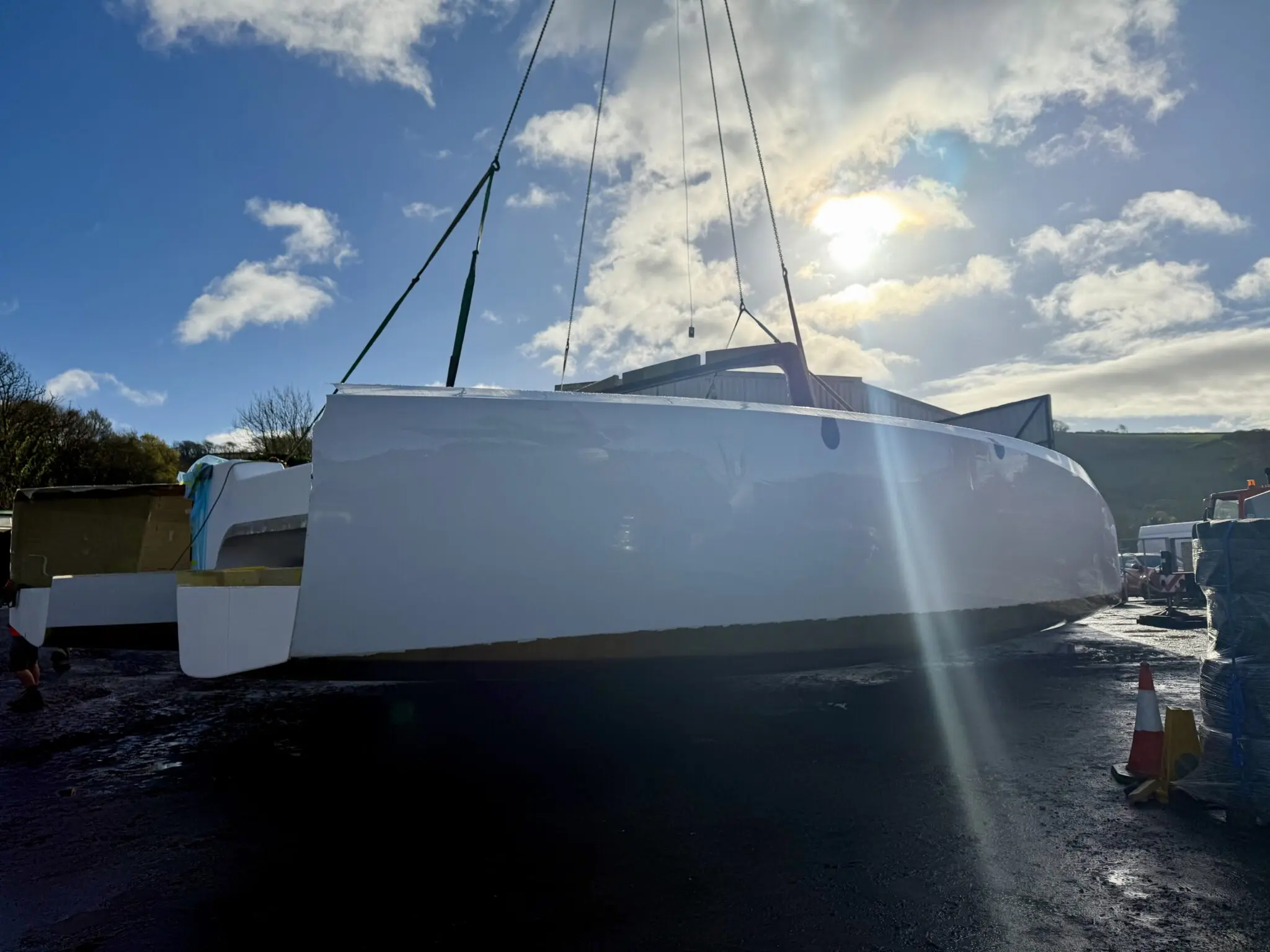
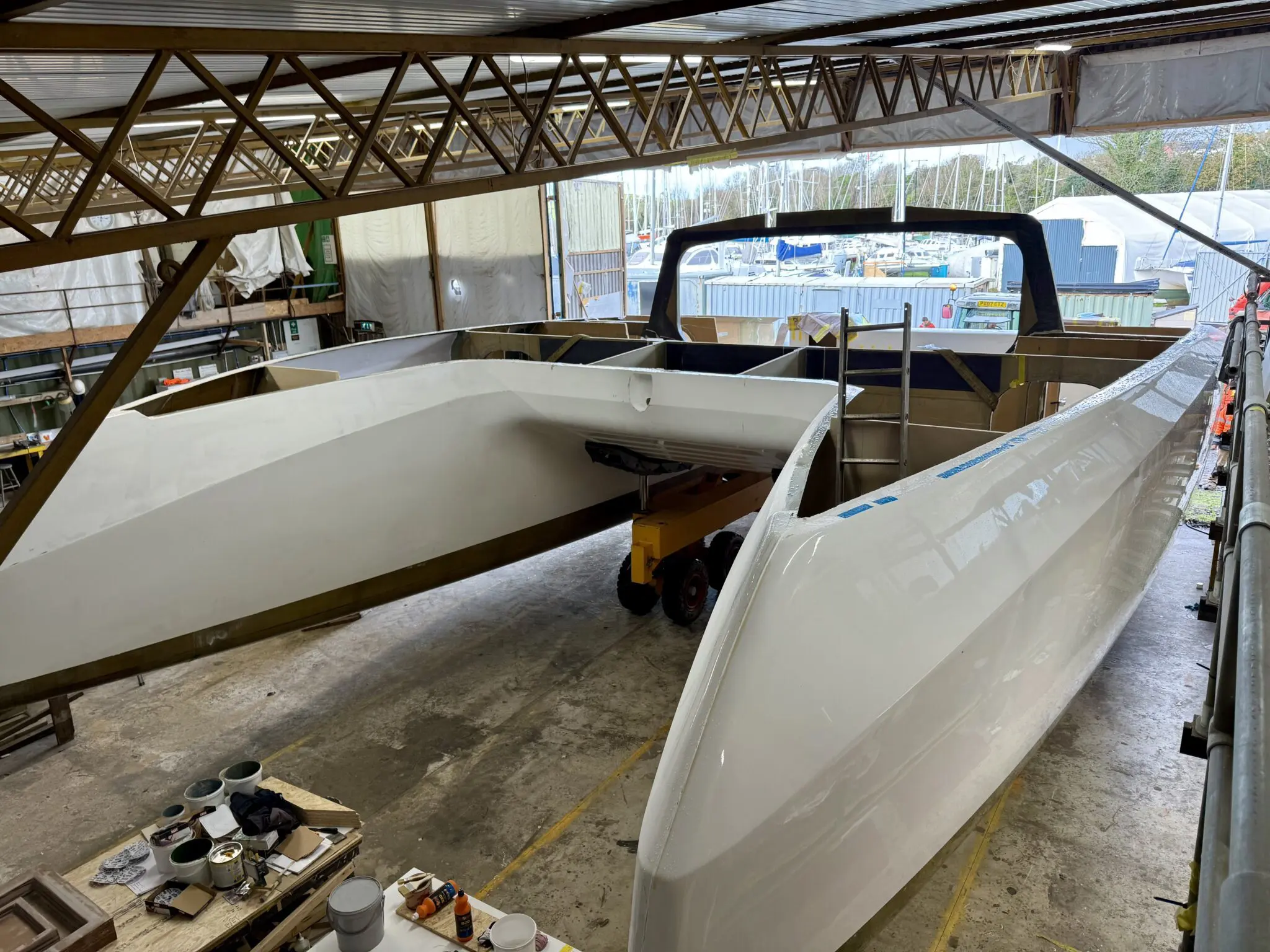
Up to now, the DSA Dazcat 1500 hasn’t really looked like a boat at all. Key elements have been built in isolation, spread across different sheds, each part impressive on its own but still clearly “in pieces.”
In this episode, everything changes.
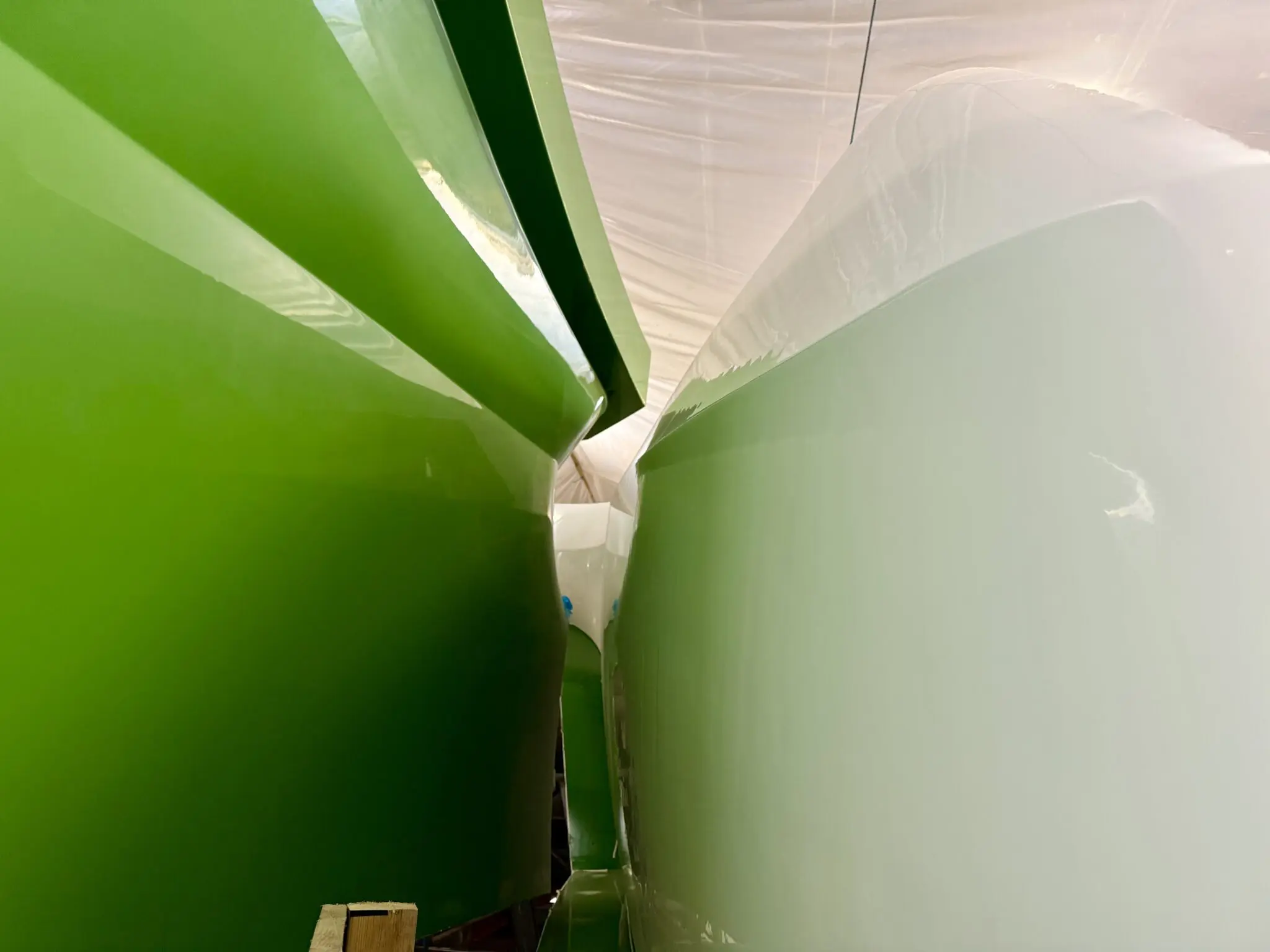
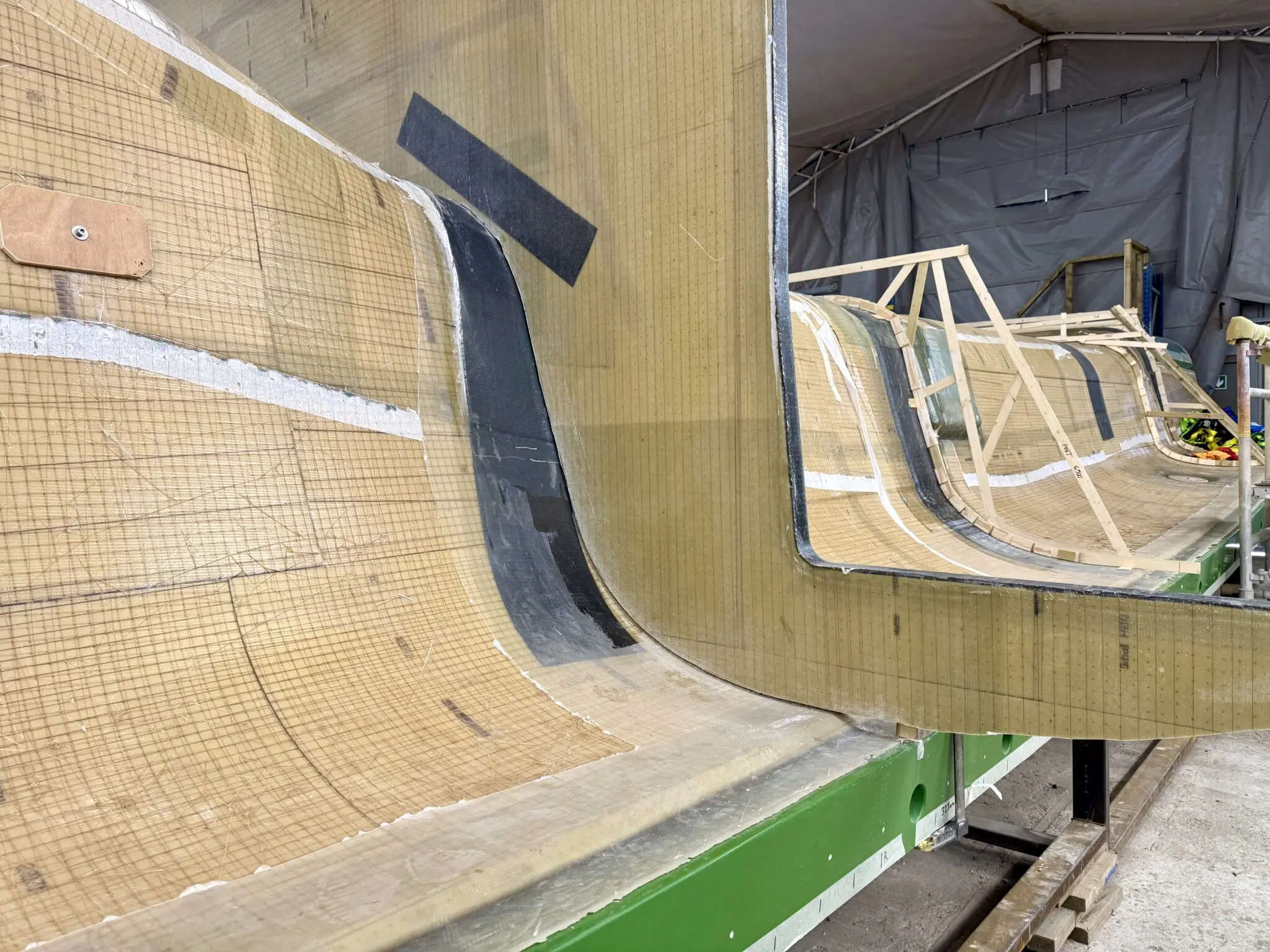
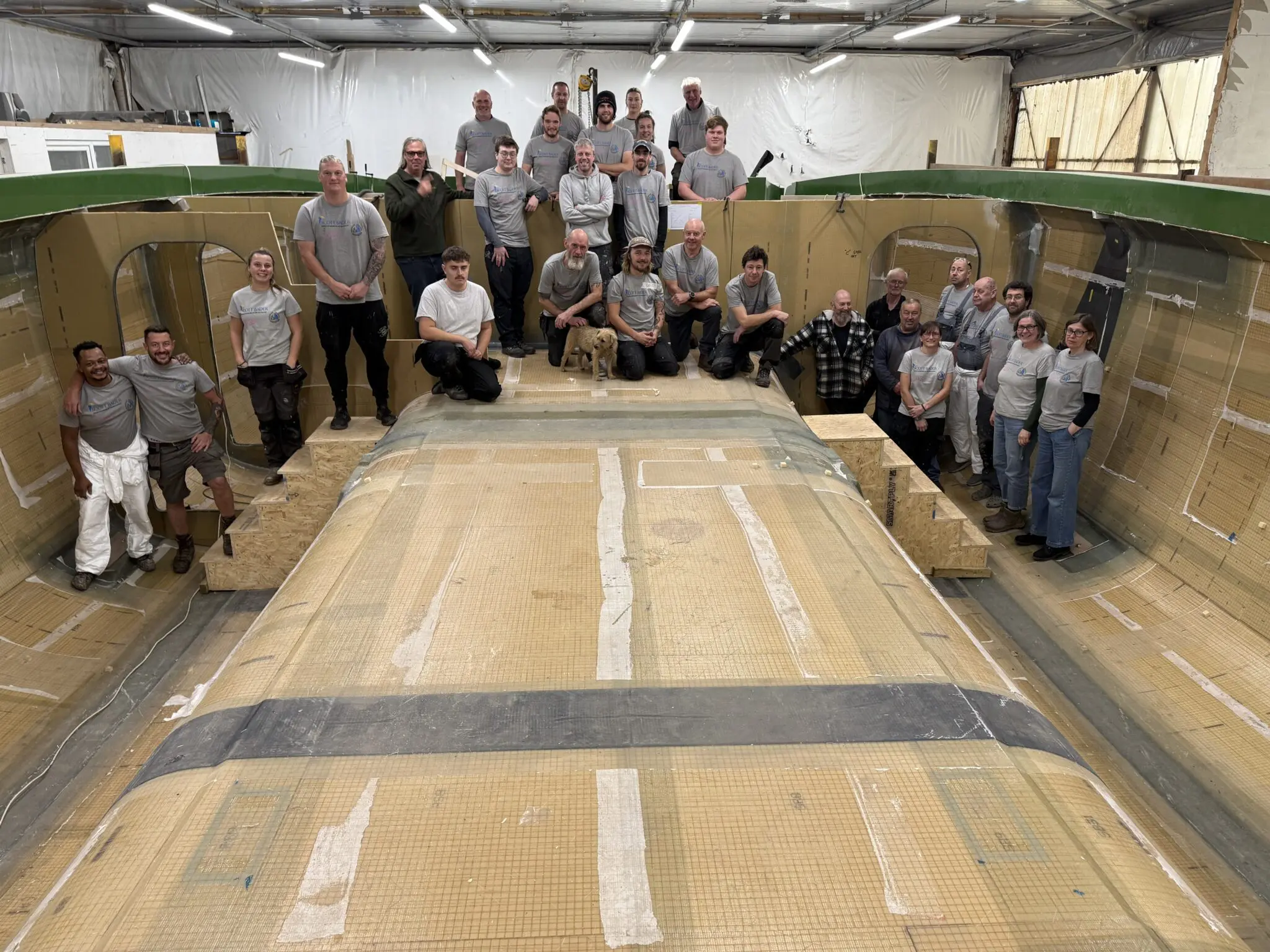
We bring all the major hull components together into a single shed and begin forming the monolithic joins. This is the moment the project takes a major leap forward – when separate structures start becoming one unified catamaran. The excitement in the workshop is growing just as fast as the boat is.
Join Dan and Brendan as they:
- Walk through the planned internal layout
- Show how the hulls and bridgedeck align
- Reveal the precision, teamwork and passion behind creating an accessible performance catamaran for the Disabled Sailors Association (DSA)
From structural fit-out to big-picture vision, this part of the build puts you right at the heart of The Multihull Centre workshop as we move into one of the most defining stages of the project.
What’s Inside – Part 4
- Positioning and aligning major structural components
- Bringing everything into a single shed for maximum accuracy and efficiency
- Preparing and executing the monolithic joins
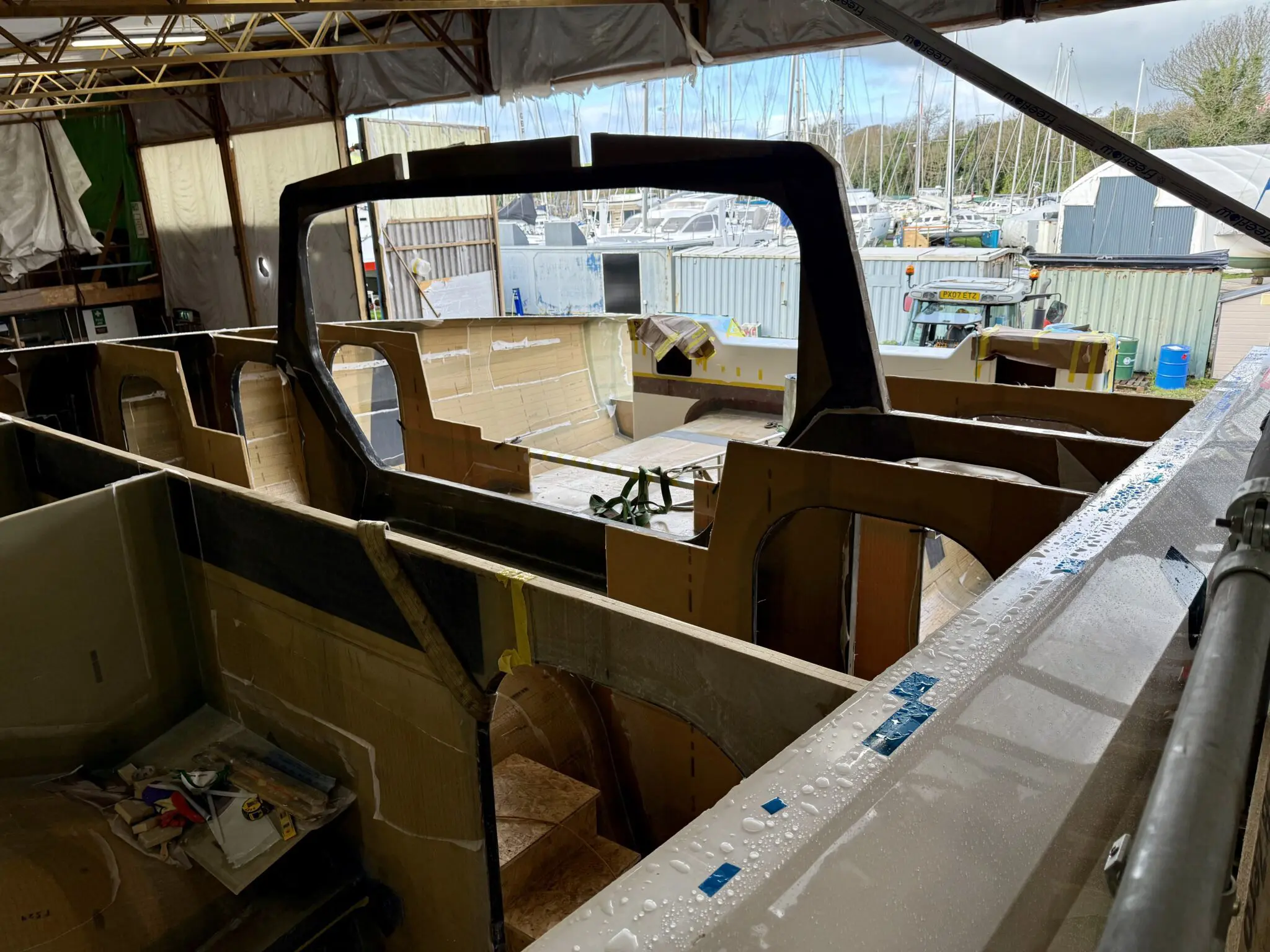
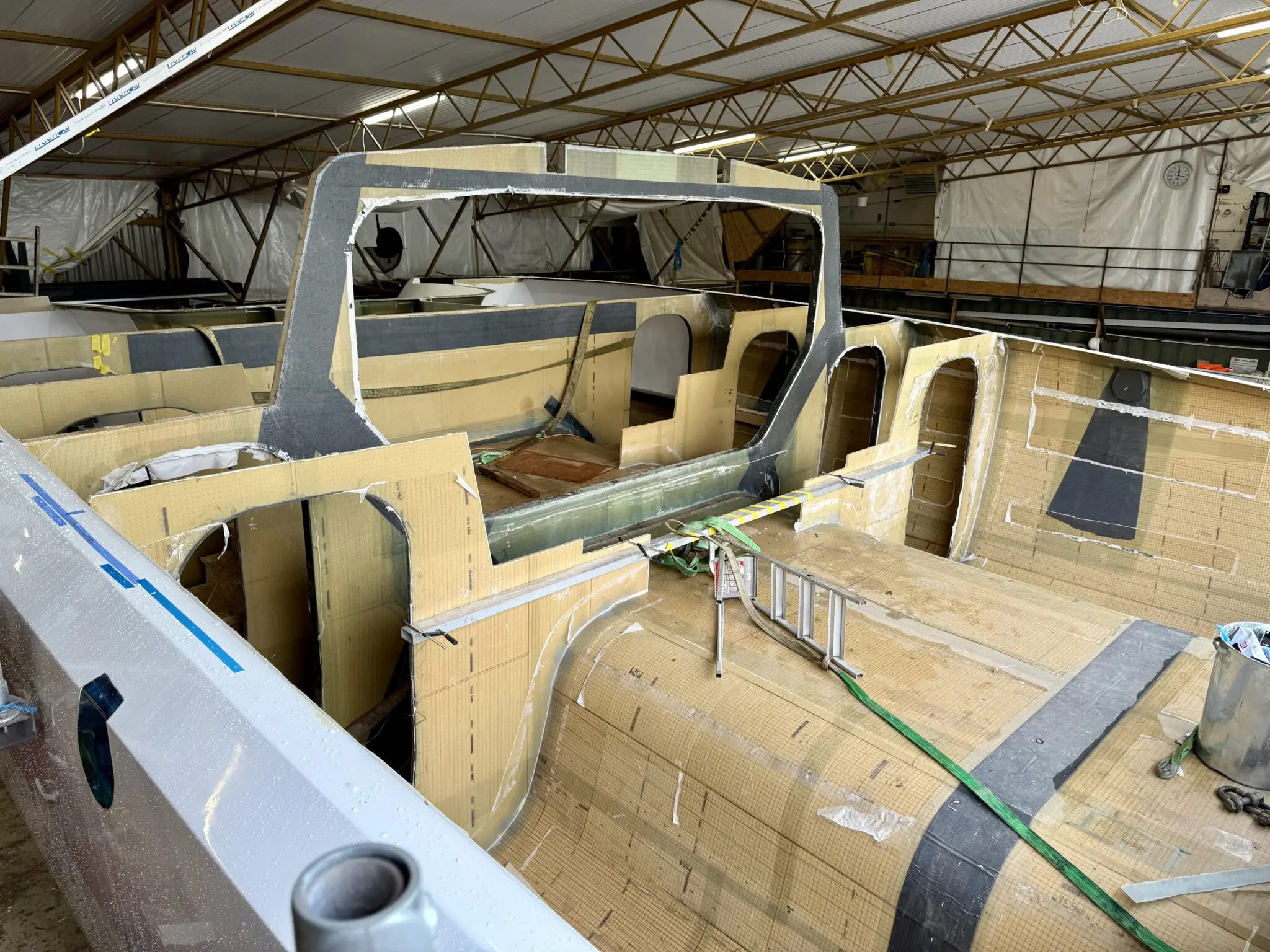
- Dan & Brendan’s walkthrough of the internal layout
- Behind-the-scenes insight from The Multihull Centre team
About the DSA Dazcat 1500
The DSA Dazcat 1500 is a boat built for everyone, with accessibility designed in from day one. Enabled by the generous sponsorship of Scott Bader and donations to the Disabled Sailors Association, this project is about opening up the freedom, joy and wellbeing that sailing can bring — to more people than ever before.
Follow the journey as we craft a truly iconic, purpose-built Dazcat.
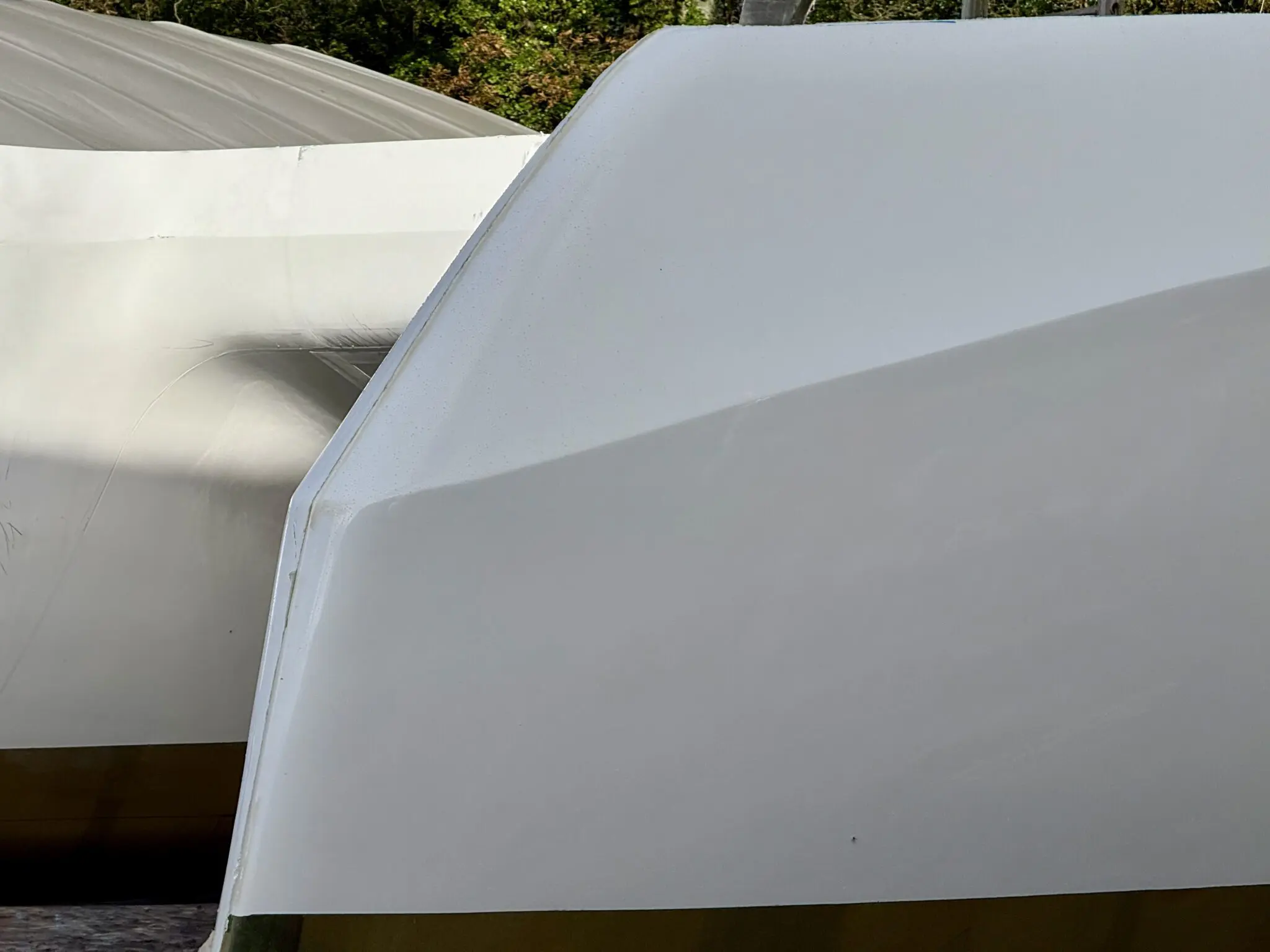
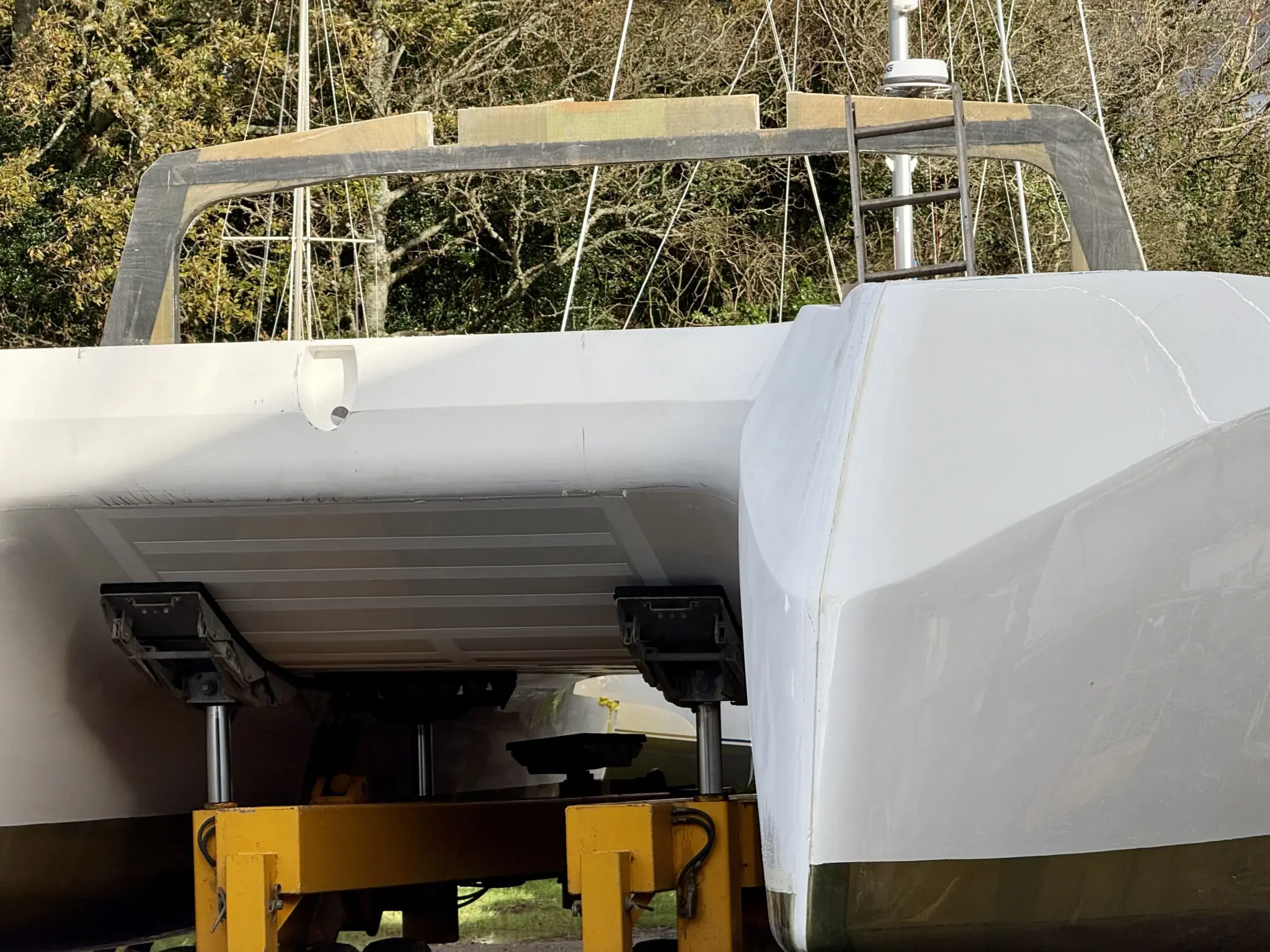
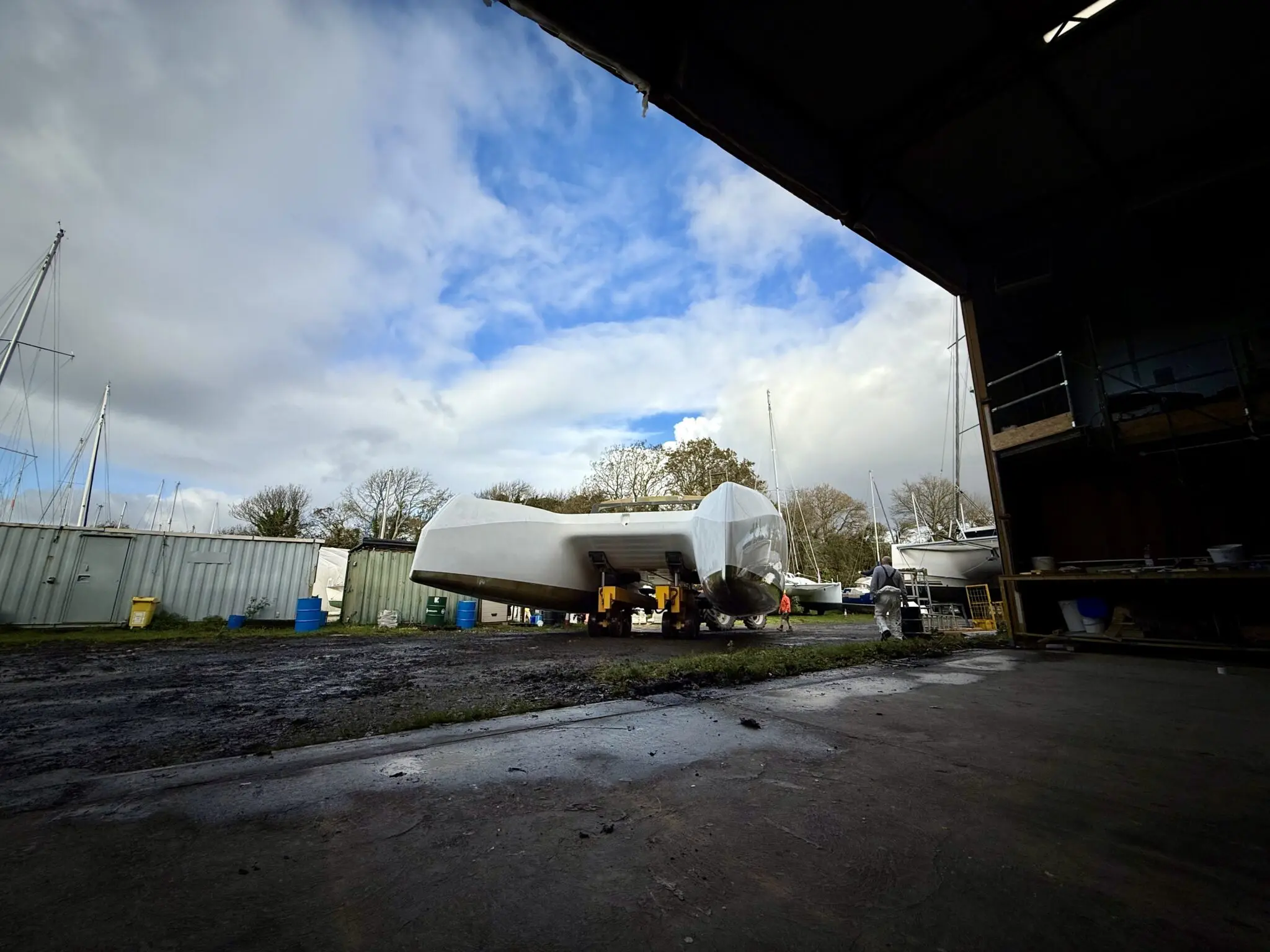
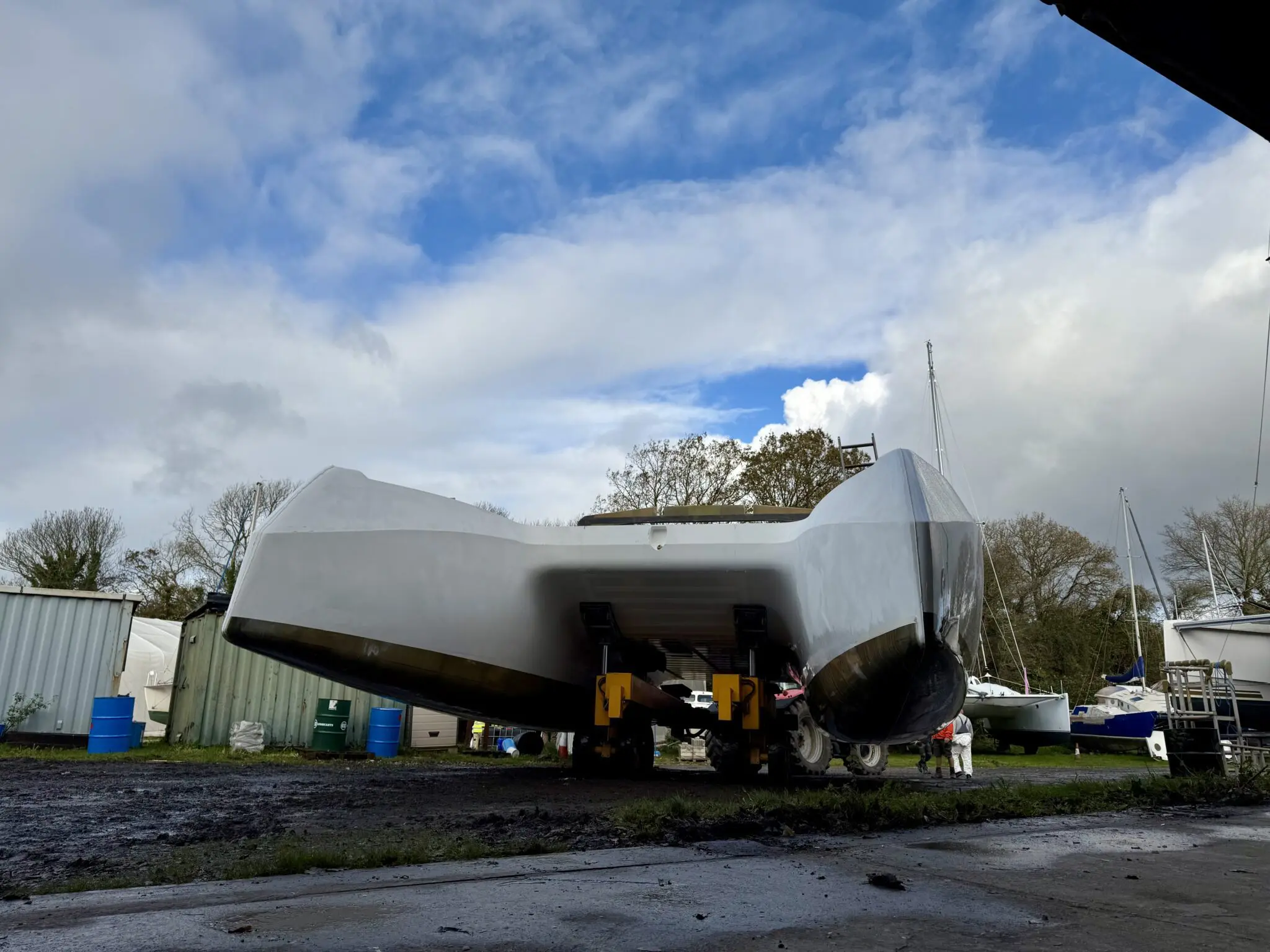
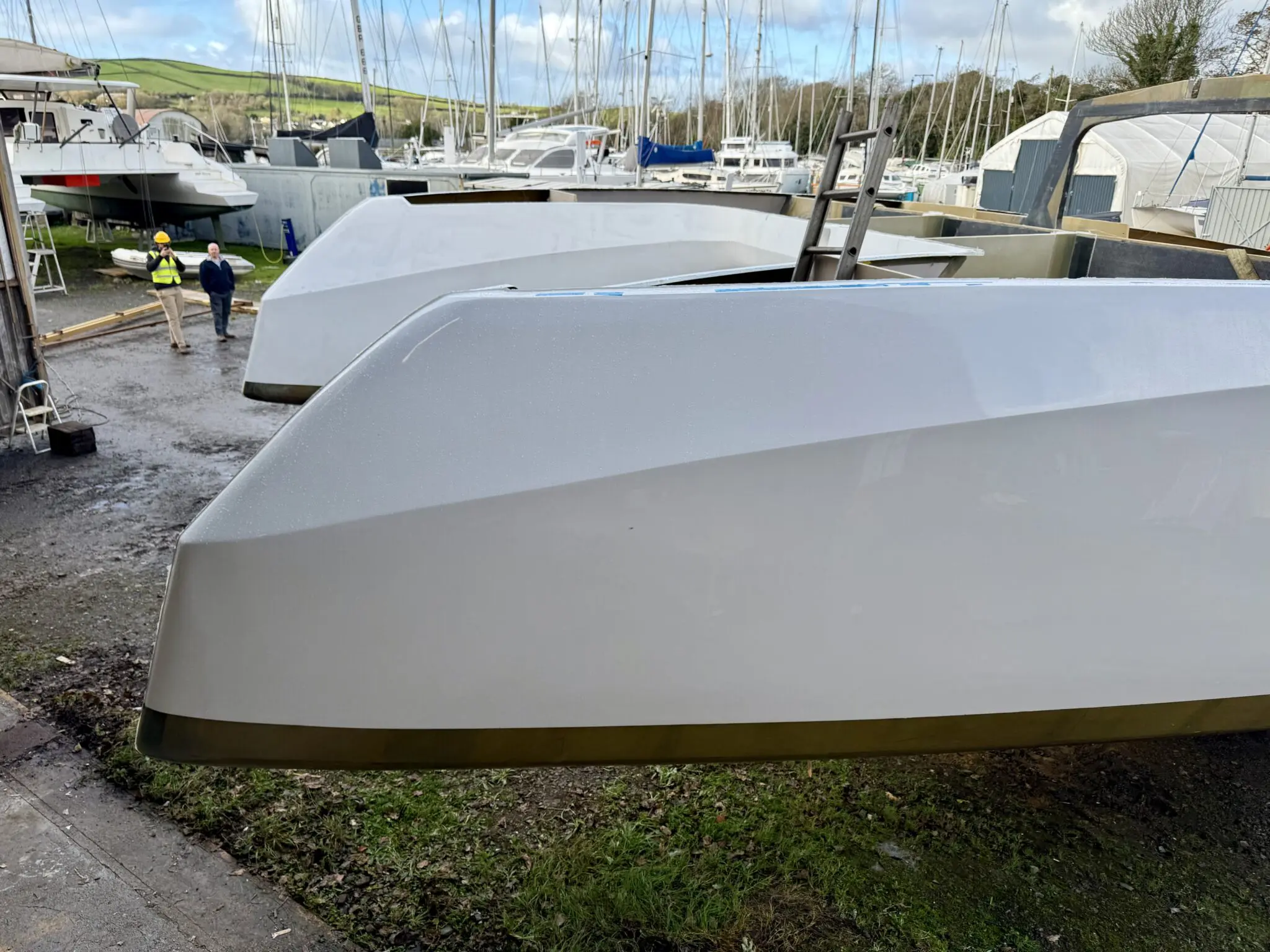
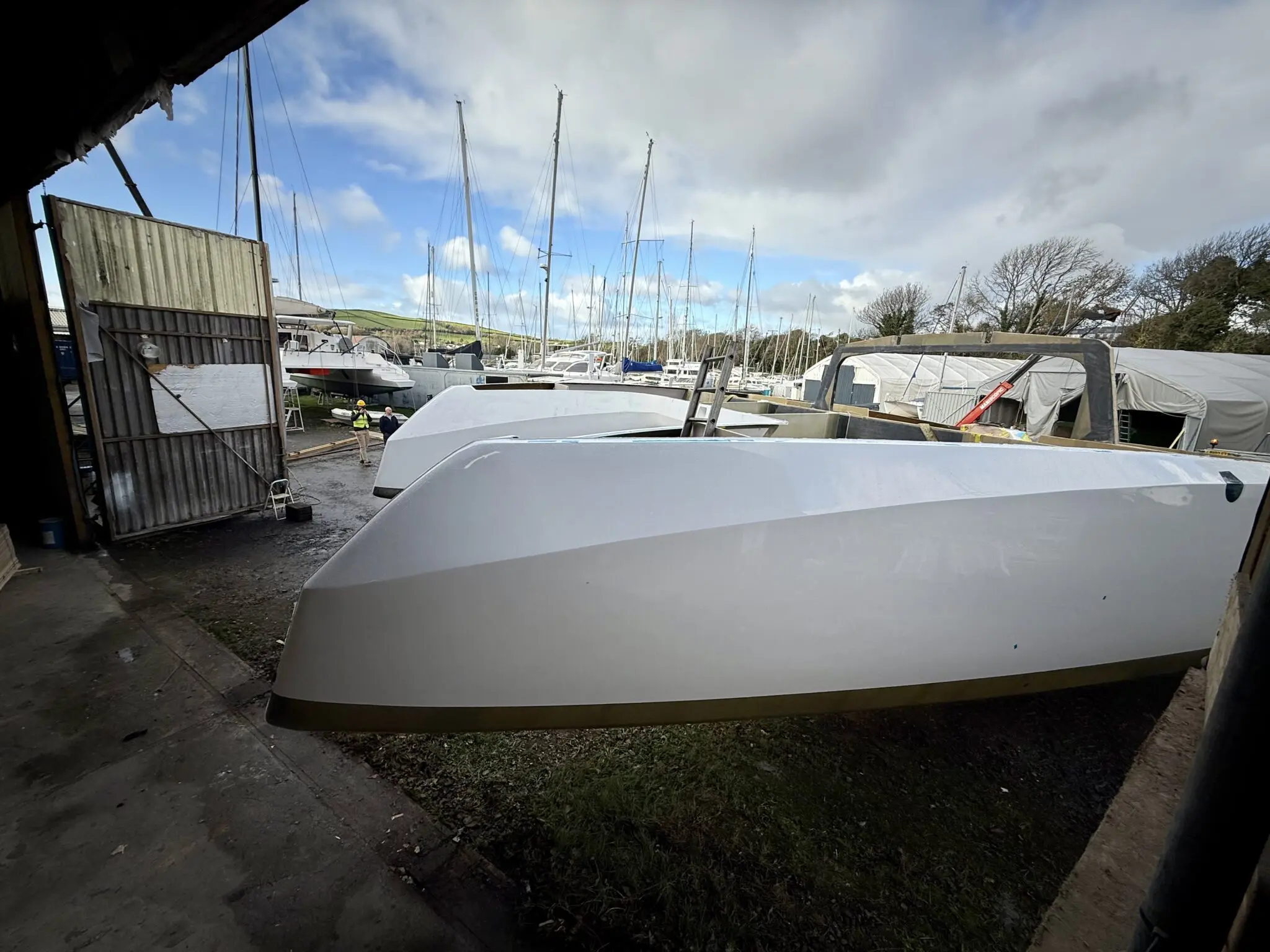
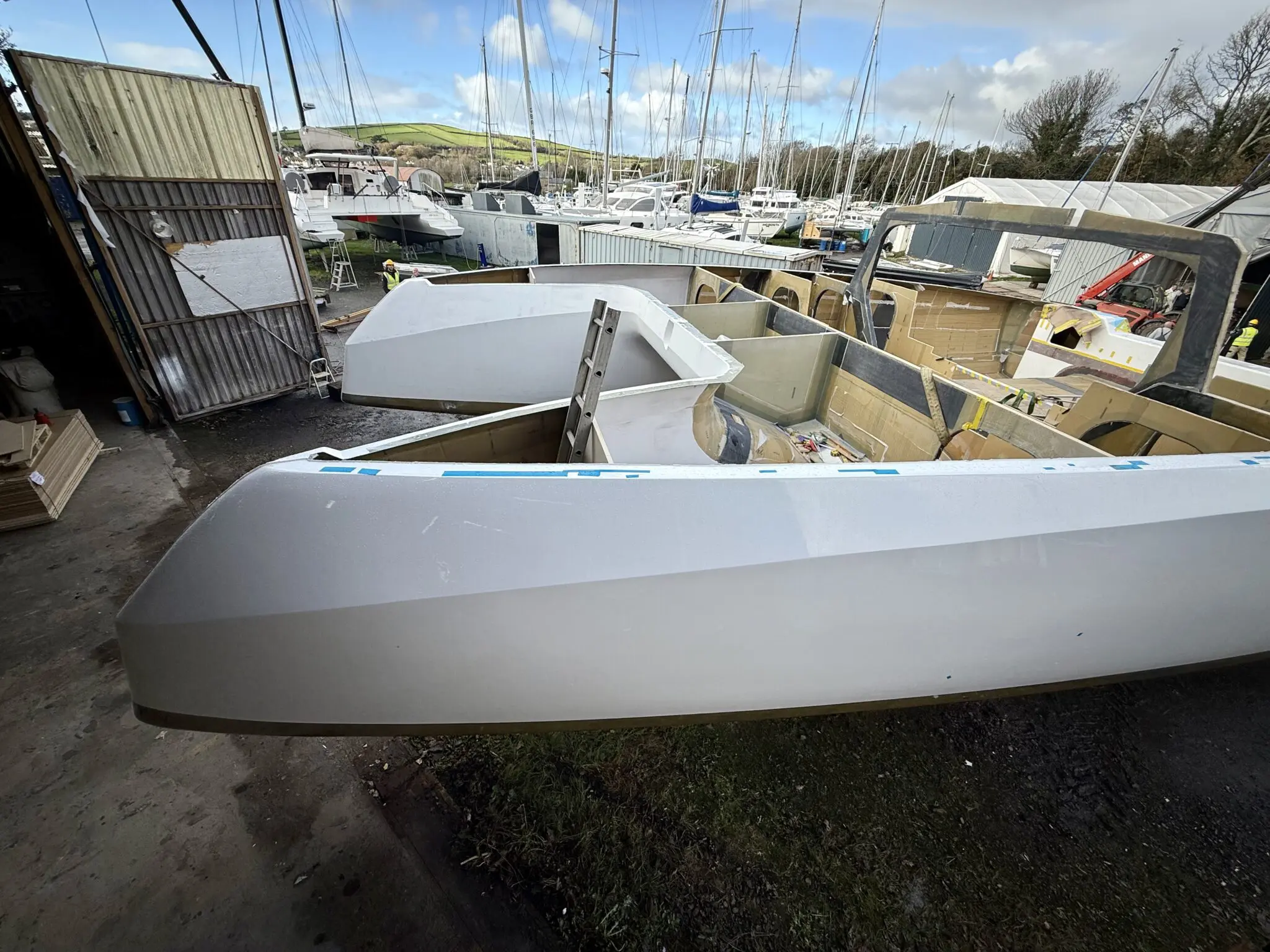
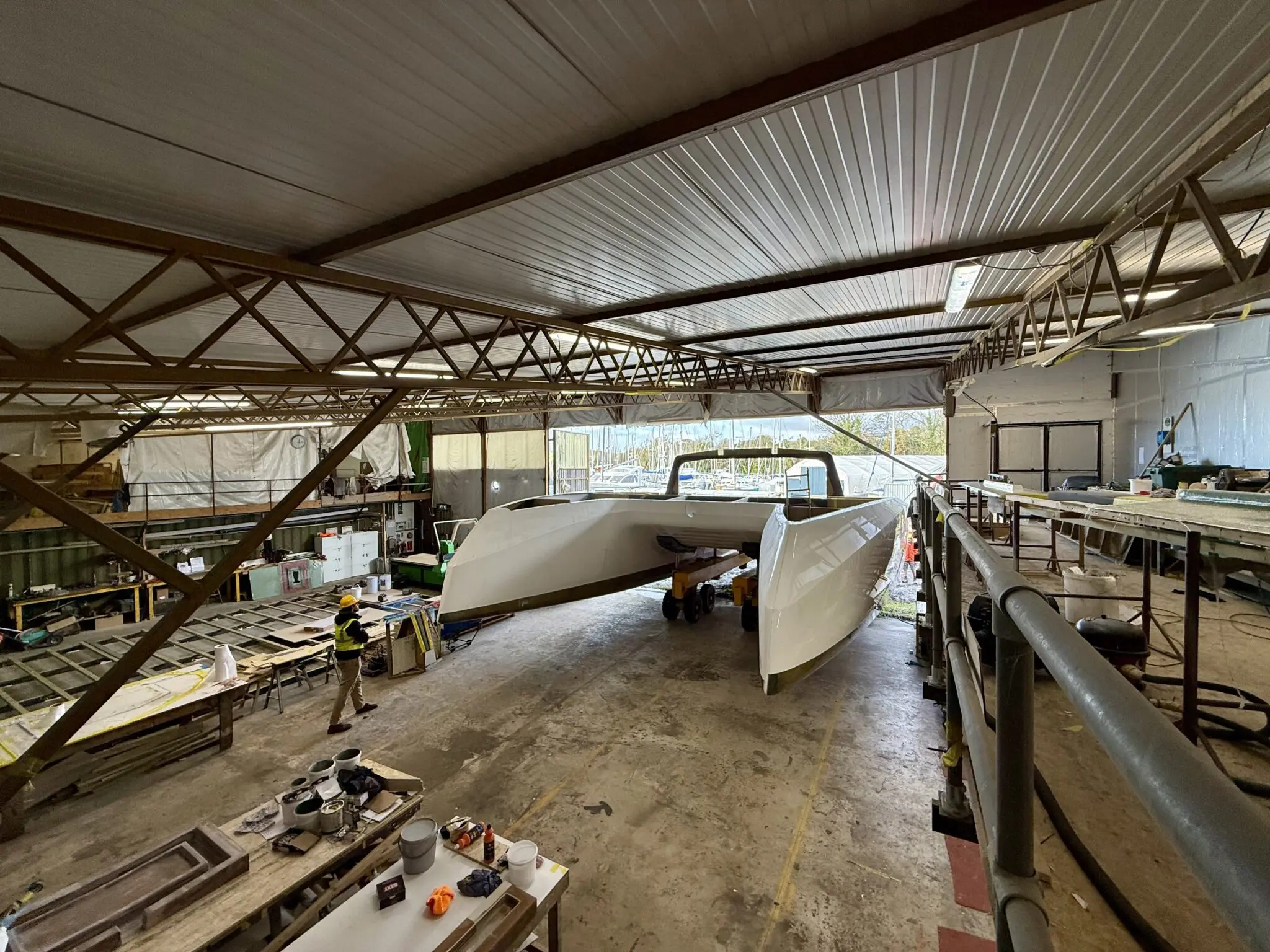
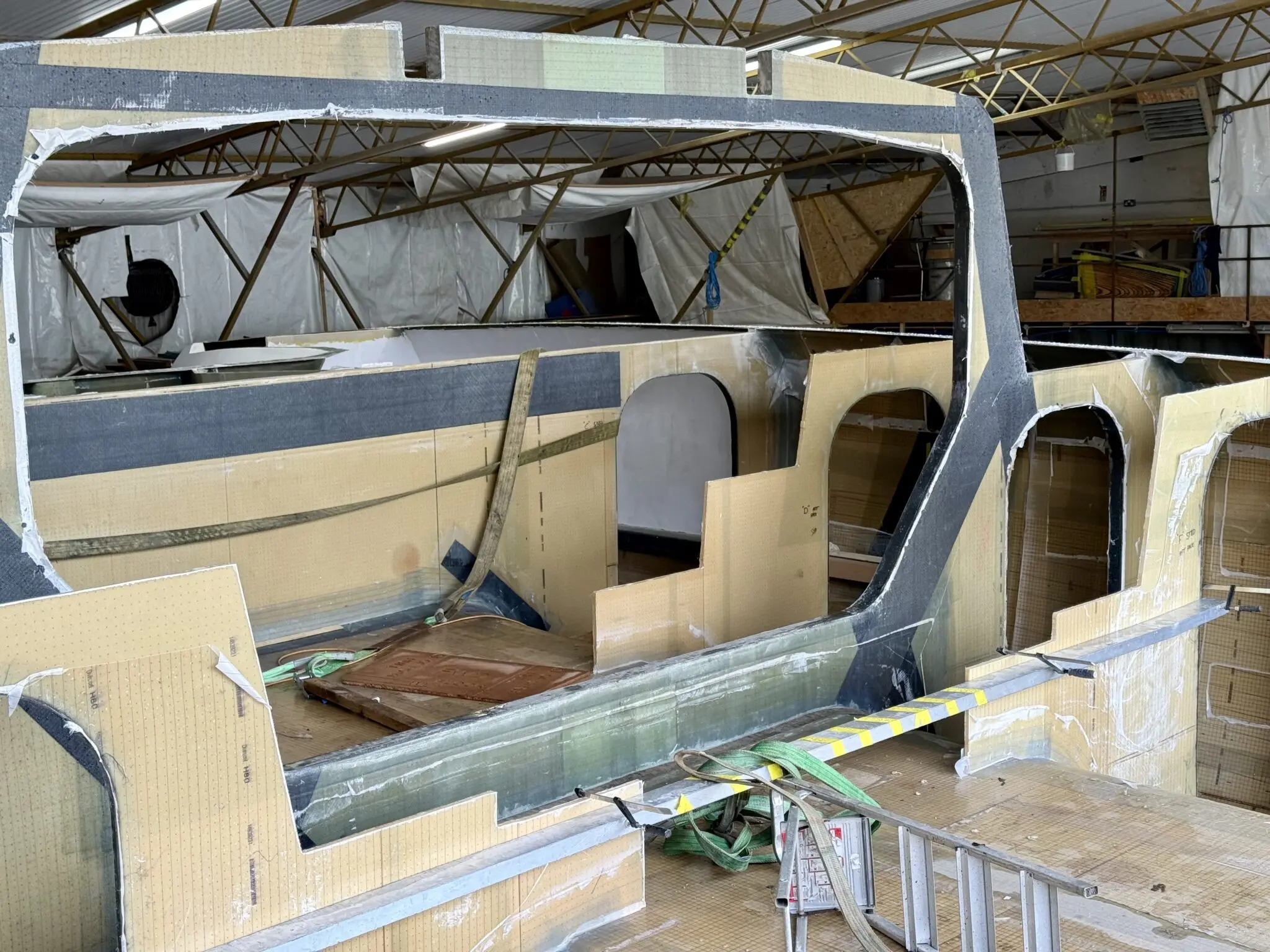
Phase 5 - Structural Supports Off
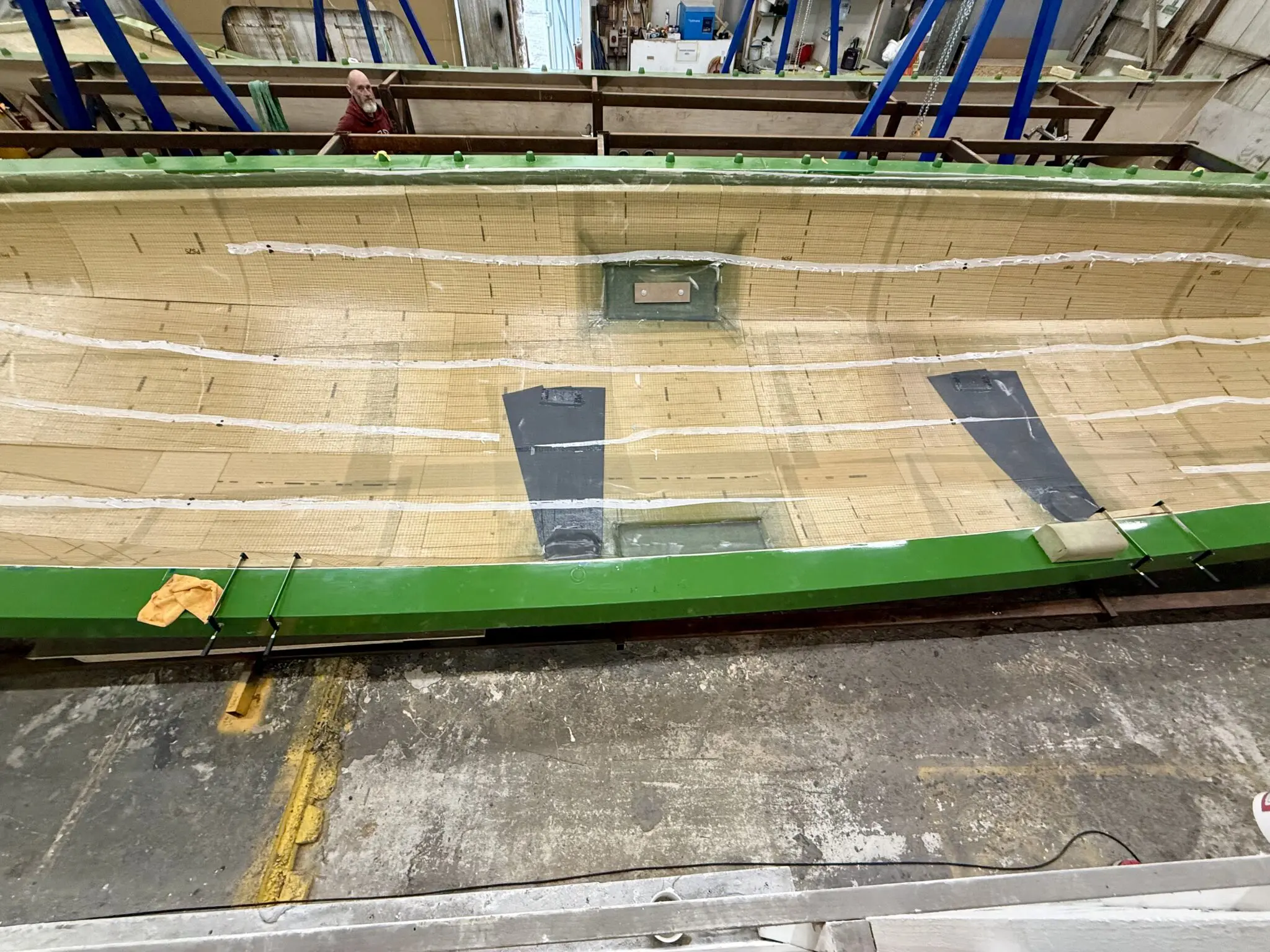
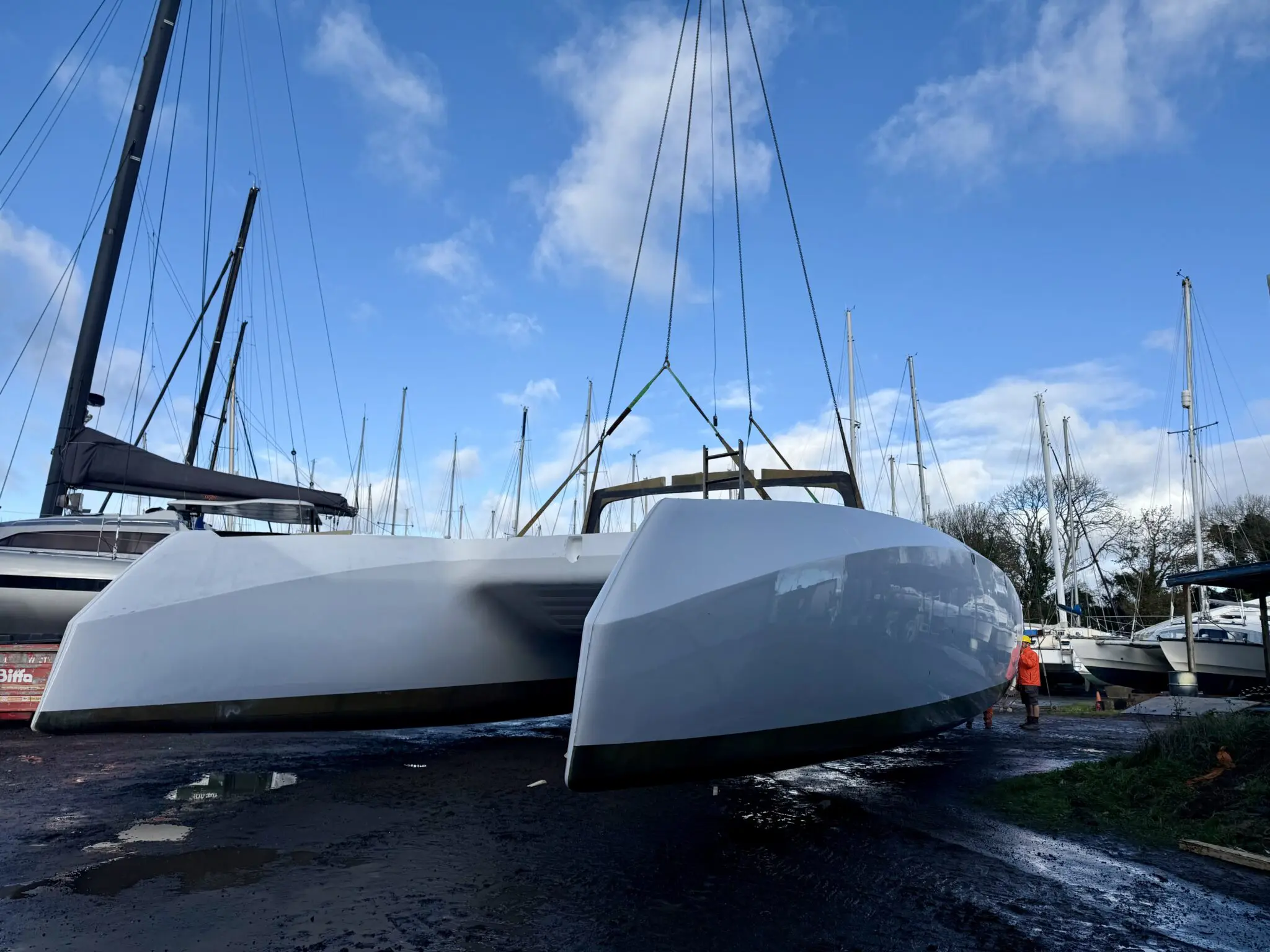
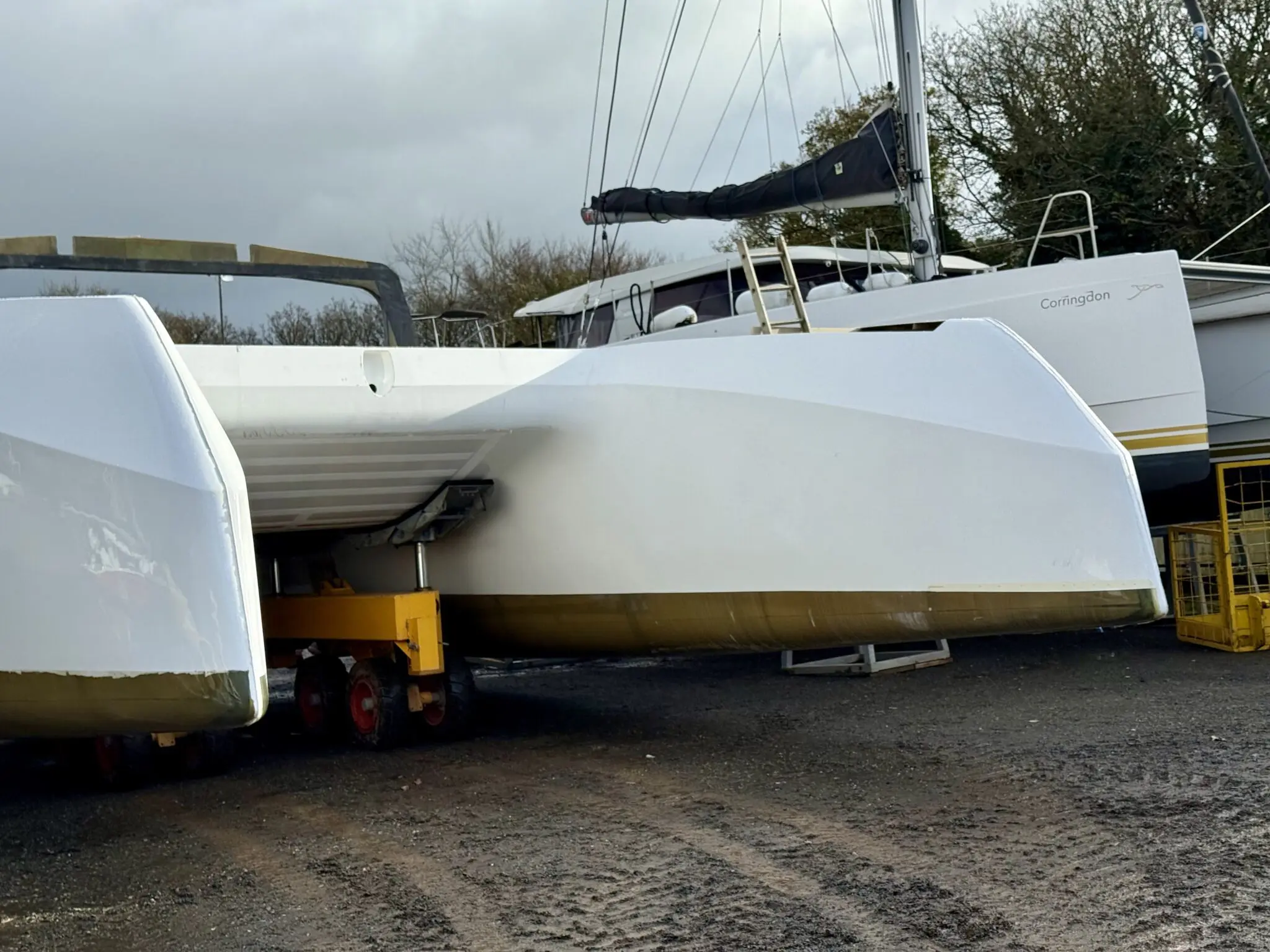
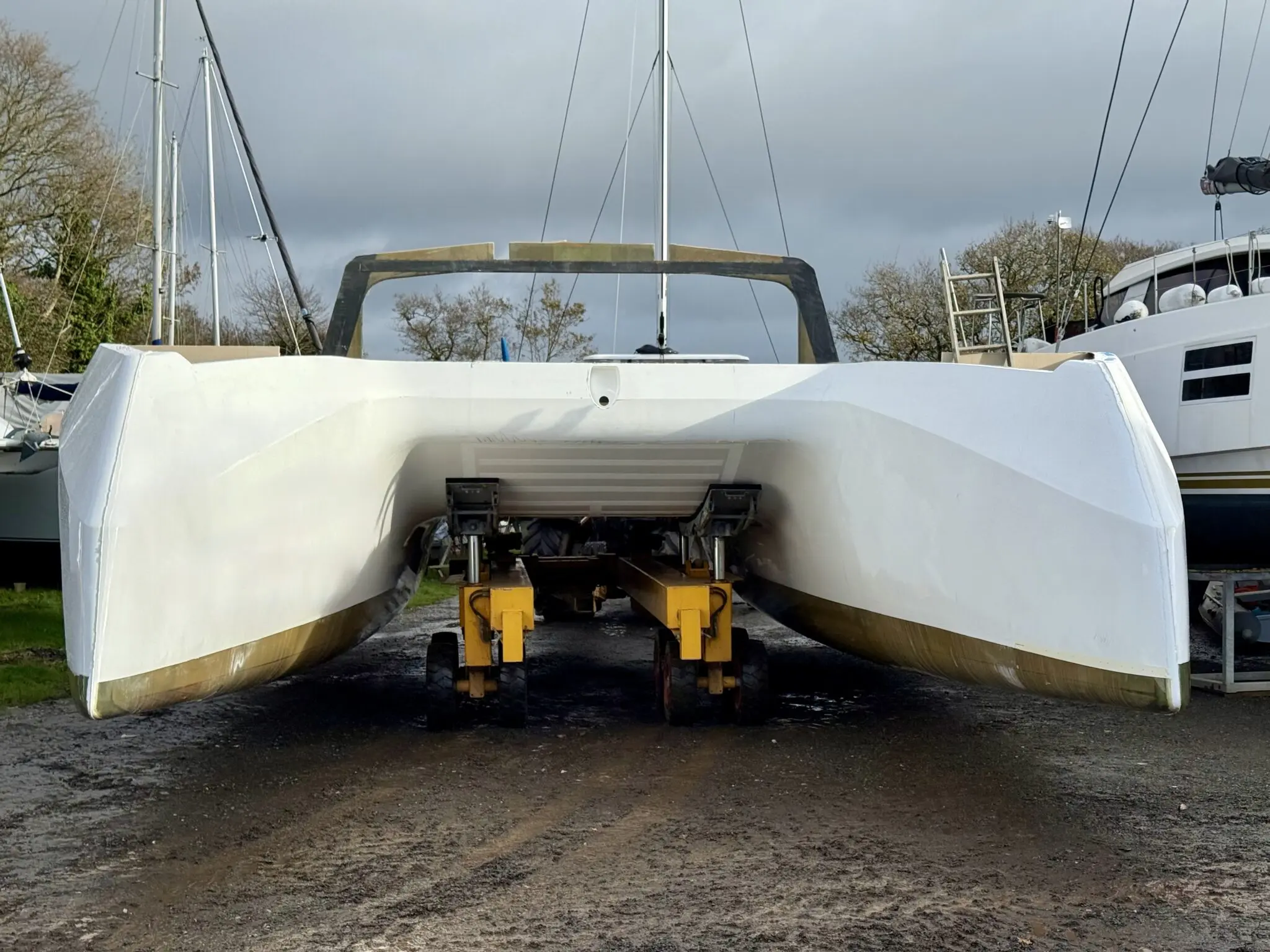
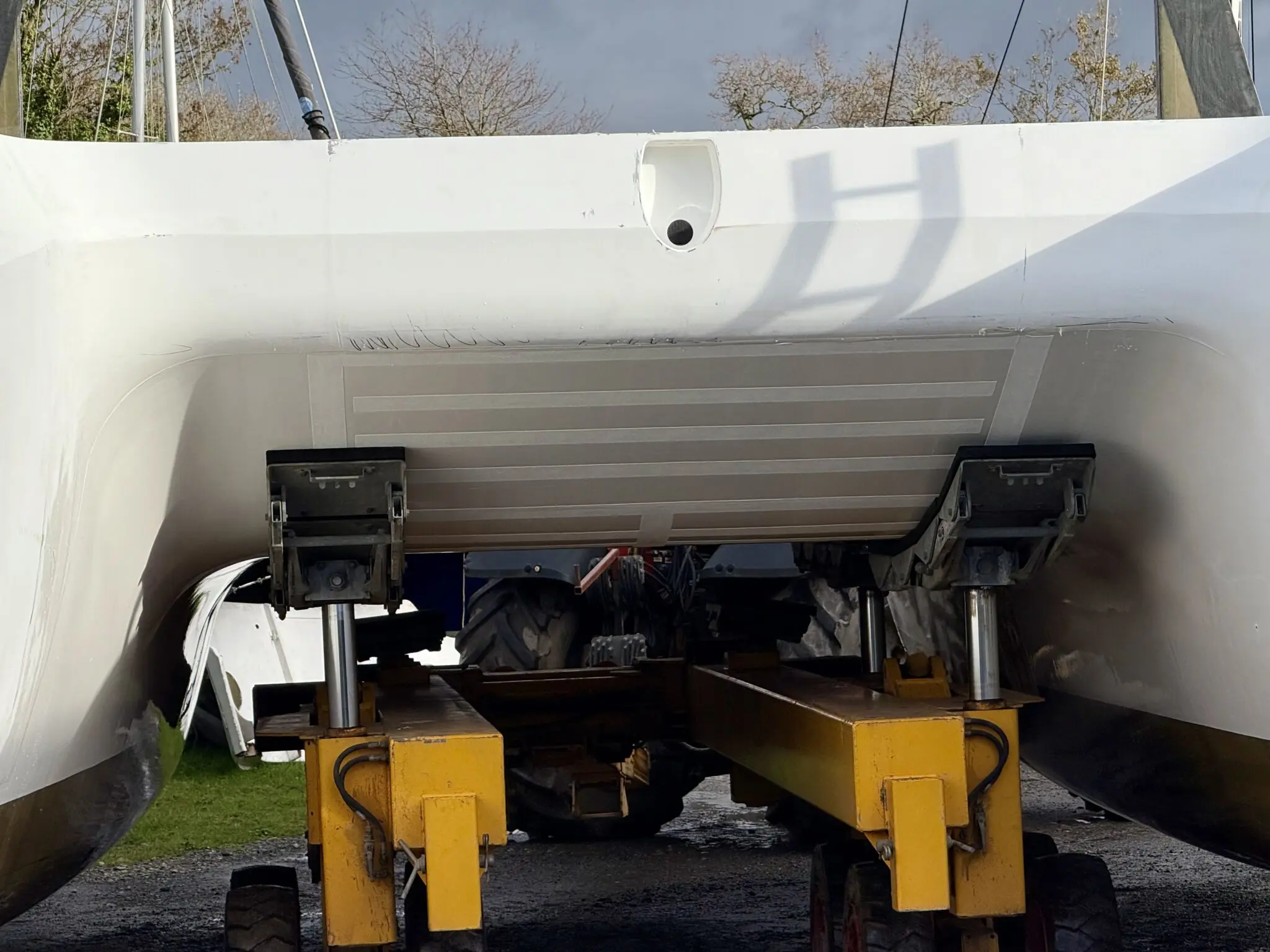
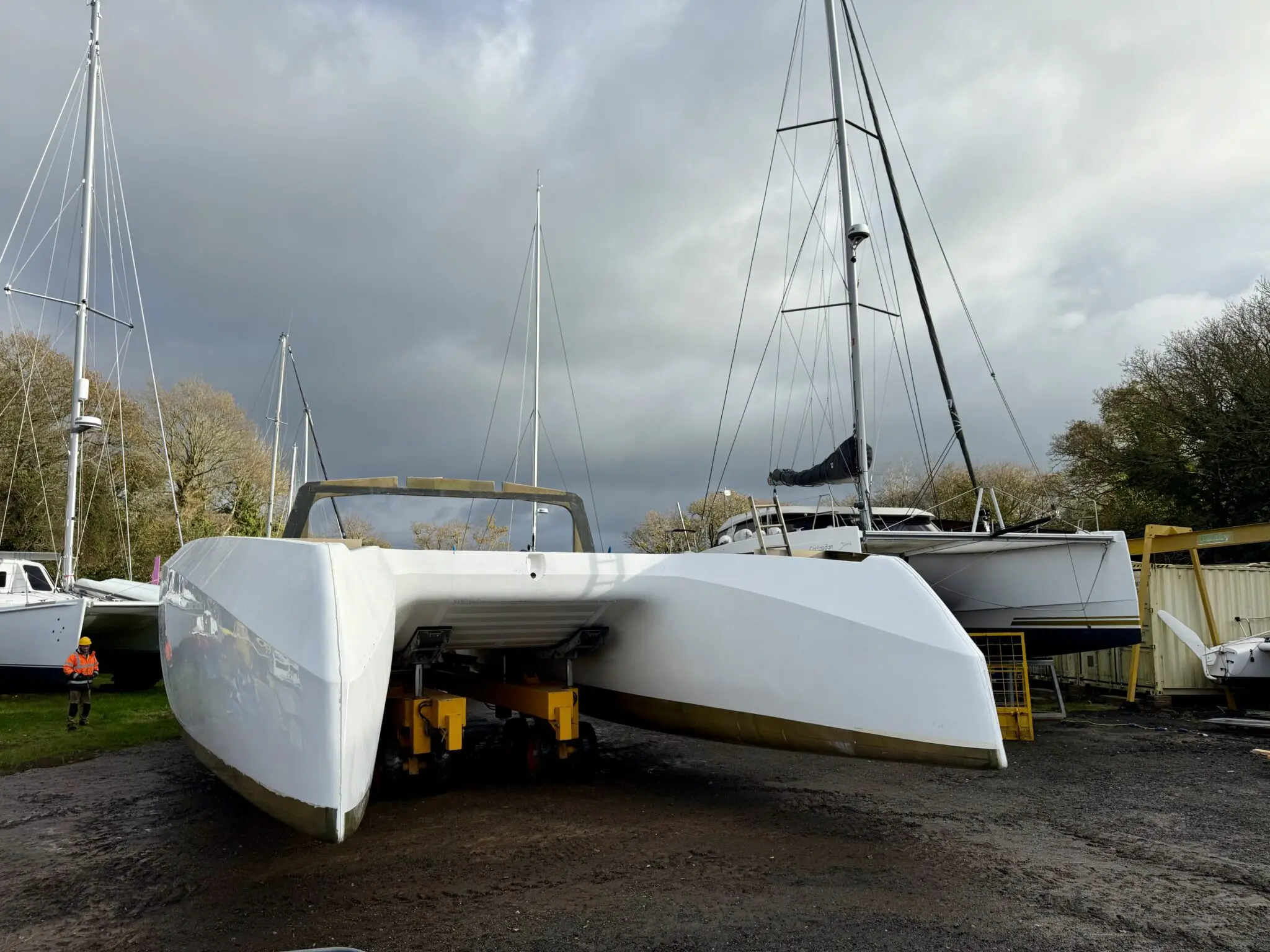
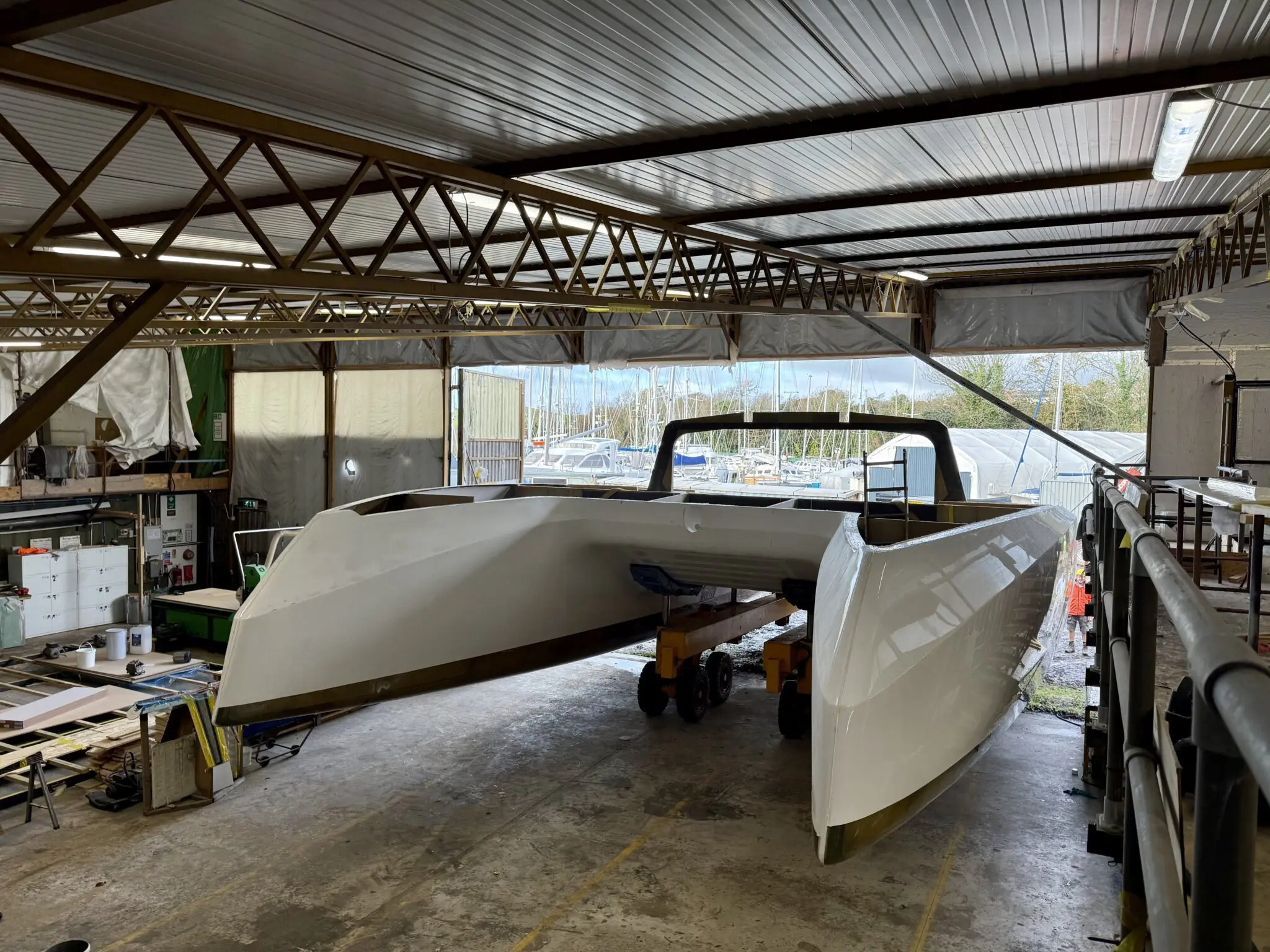
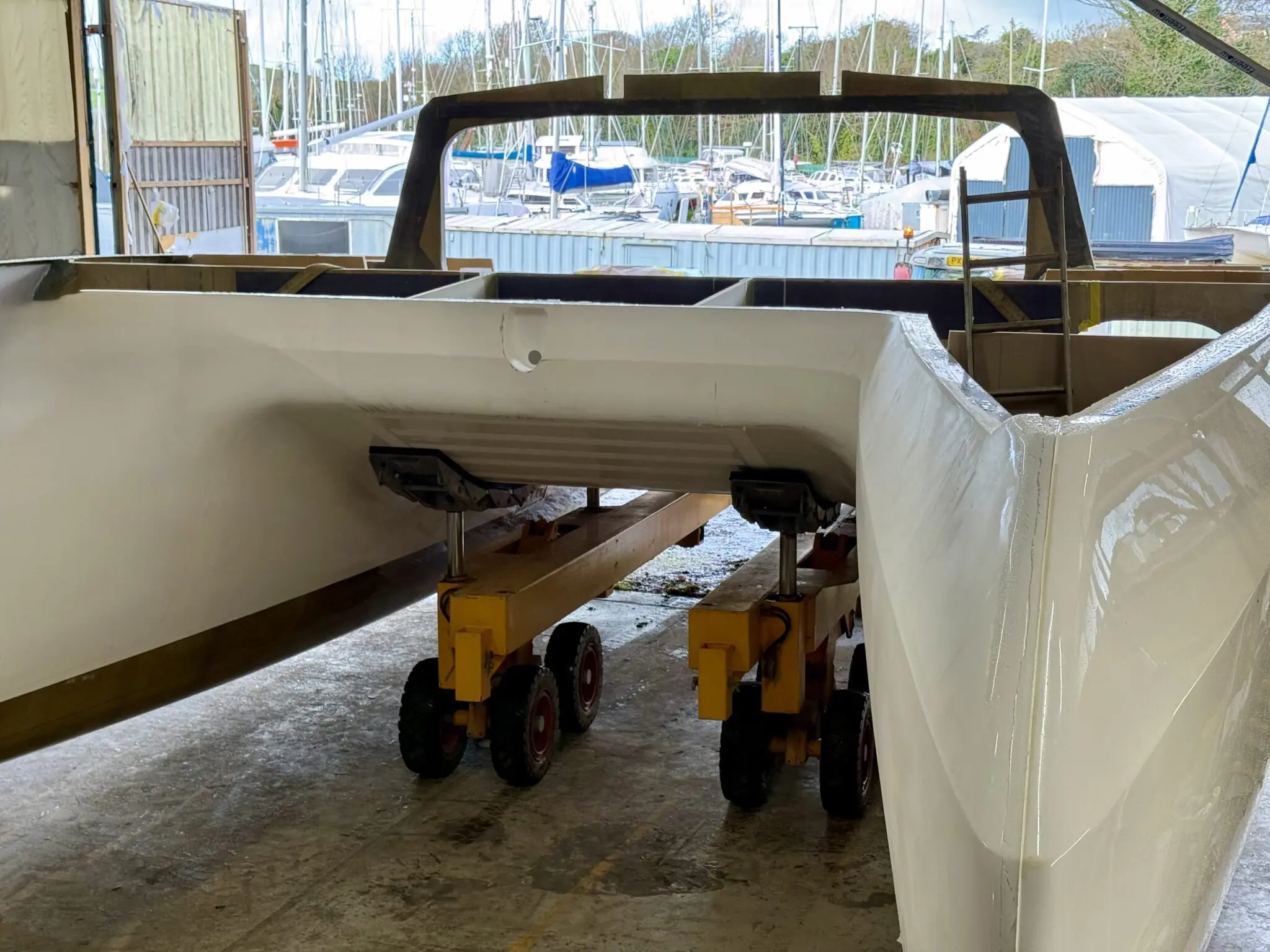
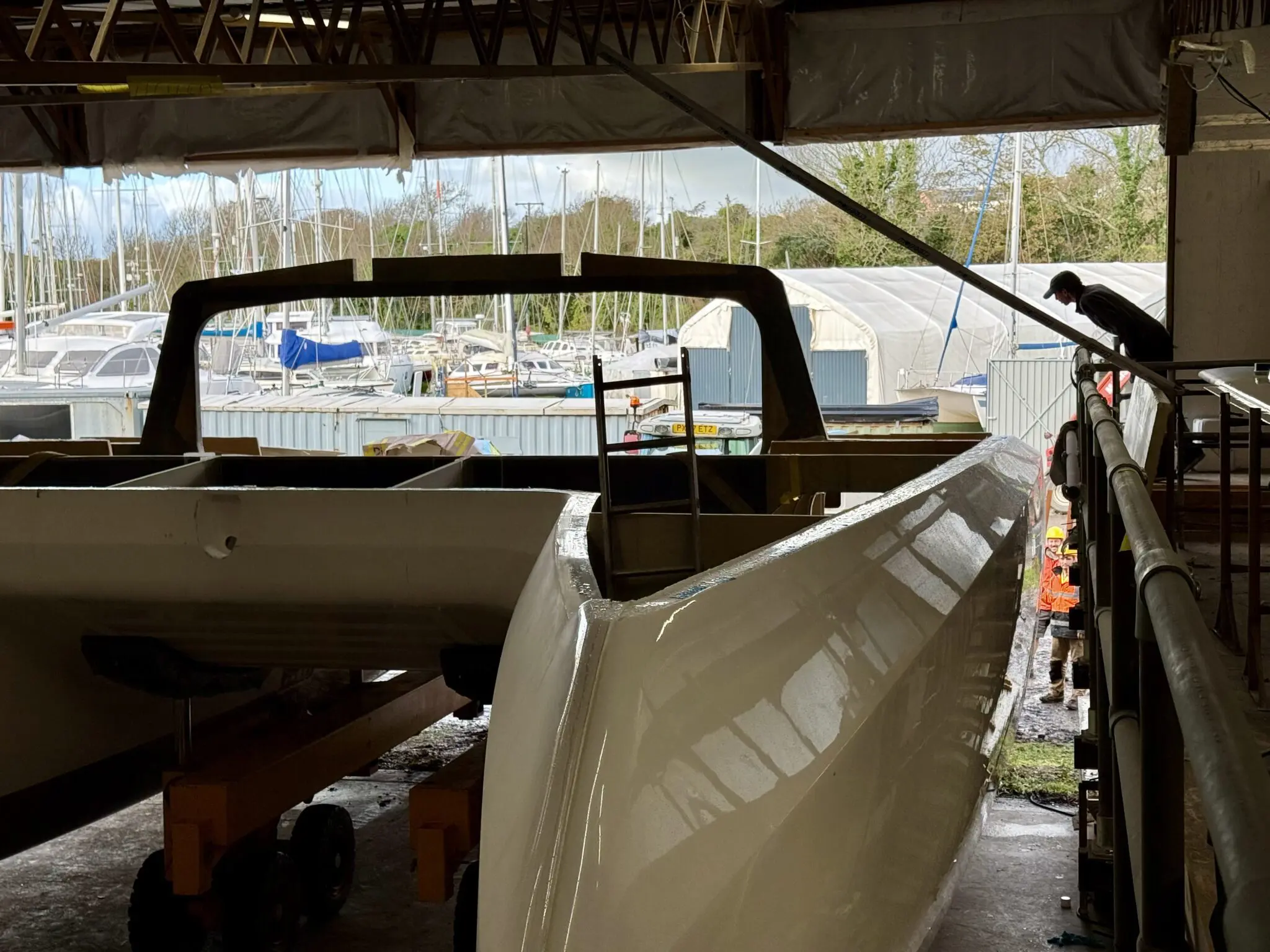
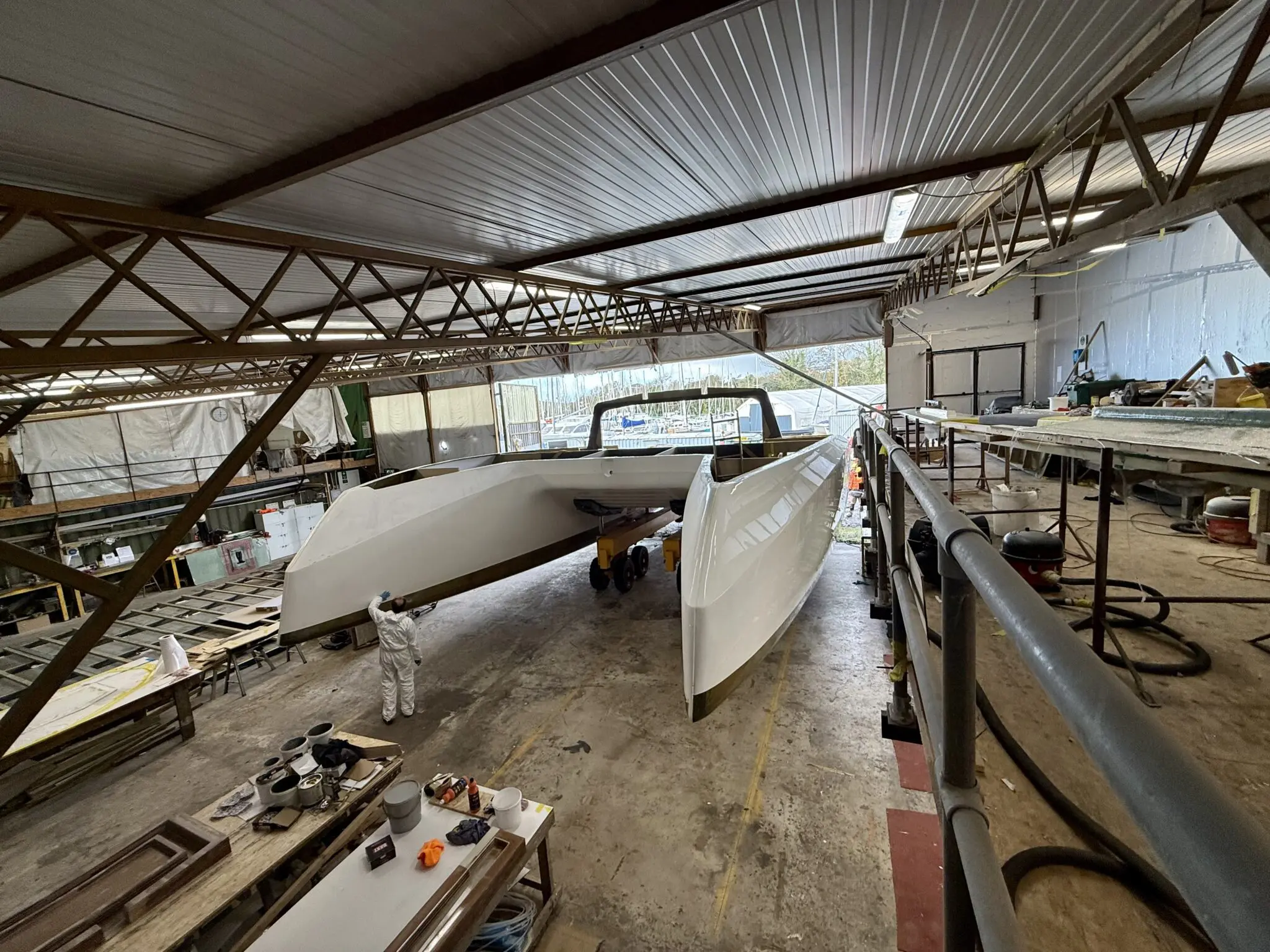
In this stage of the build, a major milestone is reached as all the temporary structural supports and moulds are released. With the main beams now in place and local stiffening completed where needed, the wet deck and hulls have been bonded together as a strong, solid platform.
It’s the first moment where she really starts to look like a boat as you move around her. Looking down from above, the interior layout is beginning to reveal itself too. At this point it can feel a little untidy, an unavoidable and familiar phase in the build process, but the structure is doing exactly what it should, the form is emerging, and everything released just as it should.
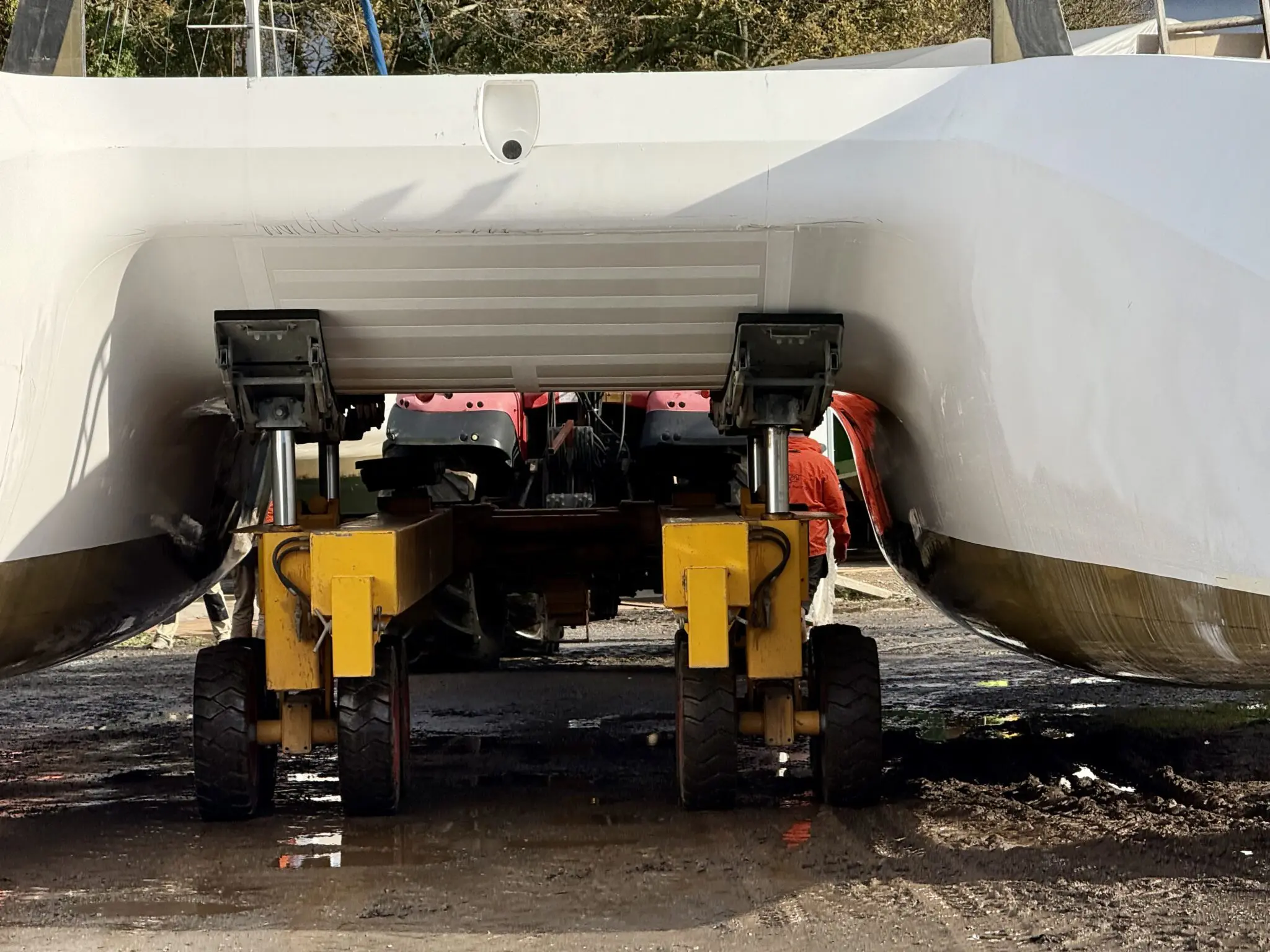
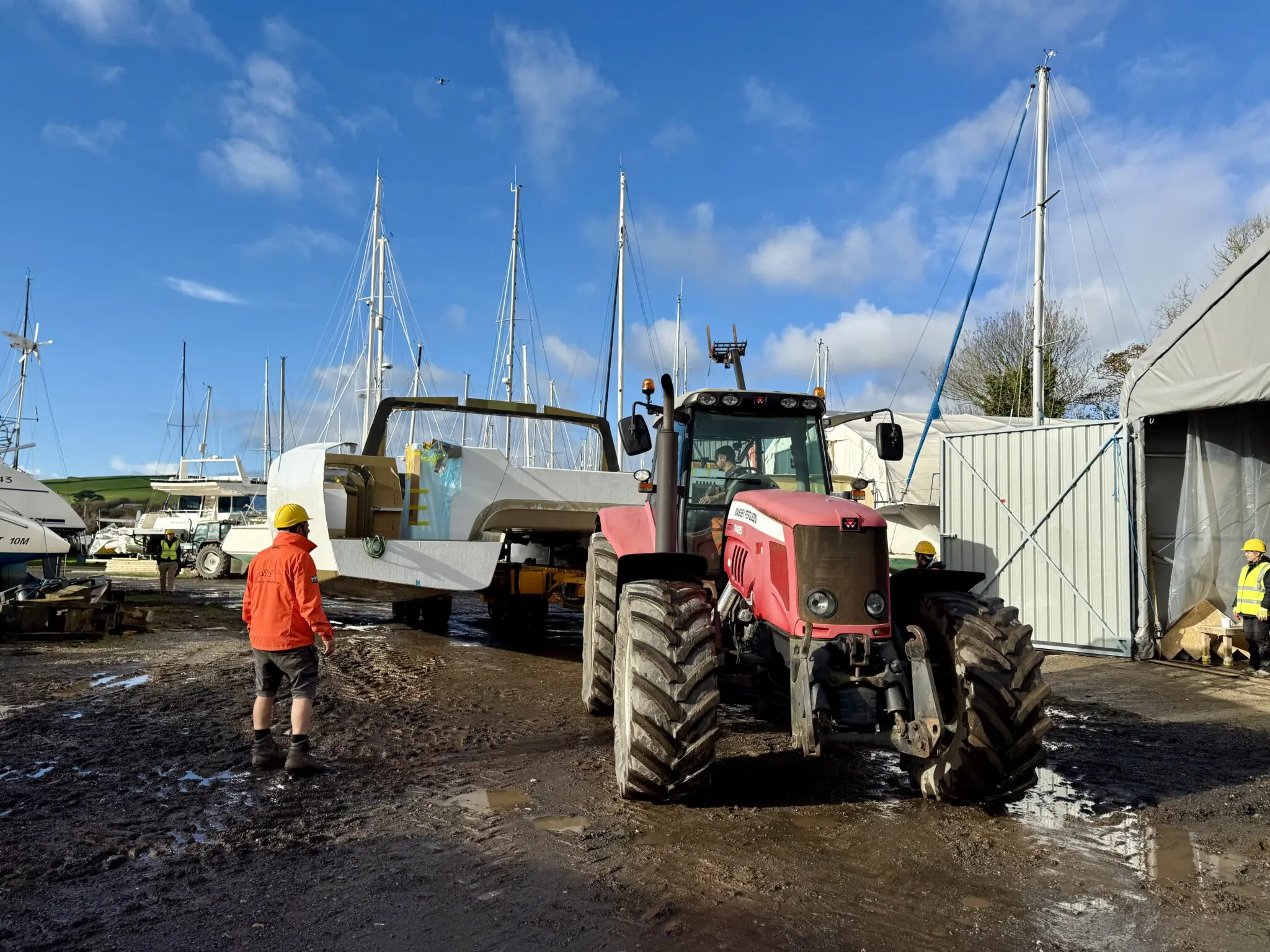
The yard is packed this December, and while we’re well protected from the recent run of strong gales, the relentless West Country rain has taken its toll. With flooding across the region, the ground is decidedly soggy, as you’ll see in the background. Still, progress continues, and we’re very much looking ahead to the next phases, when everything starts to come together for real.
Phase 6 - The Coach Roof Goes On
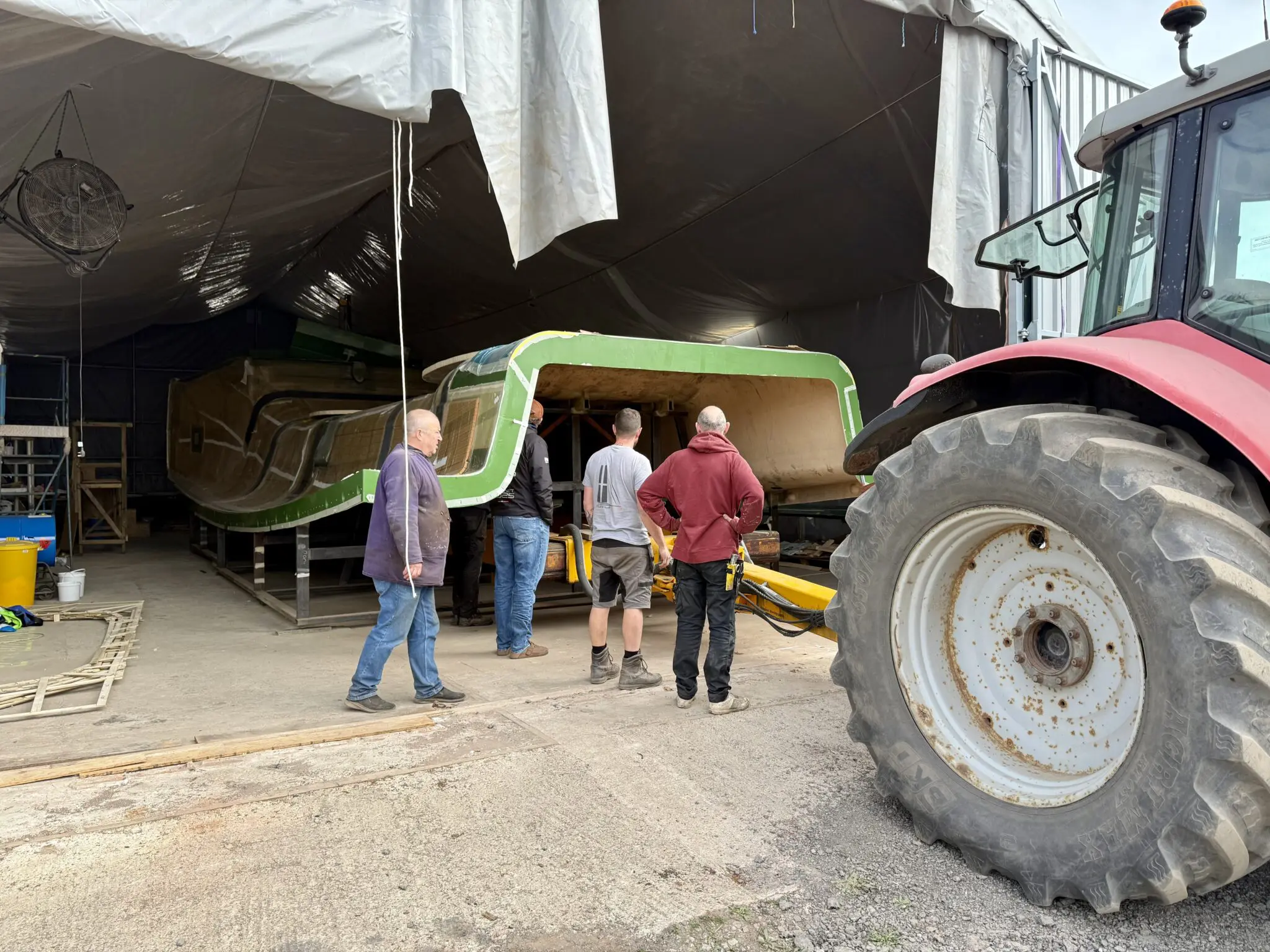
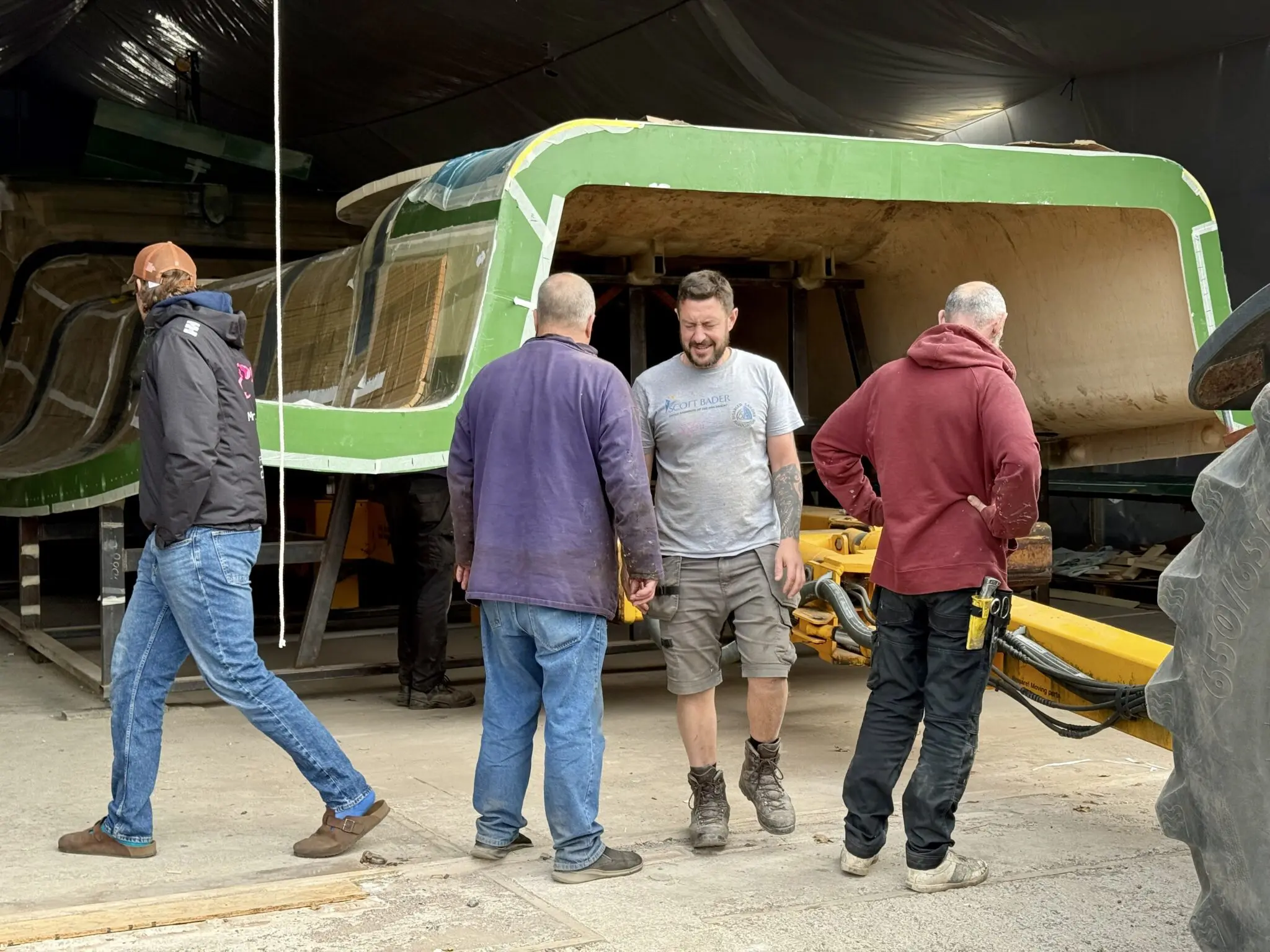
Welcome to Video 6 of the DSA Dazcat build series. In this episode, the Dazcat hull and coachroof leave the workshop, the coachroof is released from its mould and carefully fitted to the boat before everything returns to the shed for the next stage of construction. Follow the journey of building a high-quality cruising catamaran by Dazcat.