
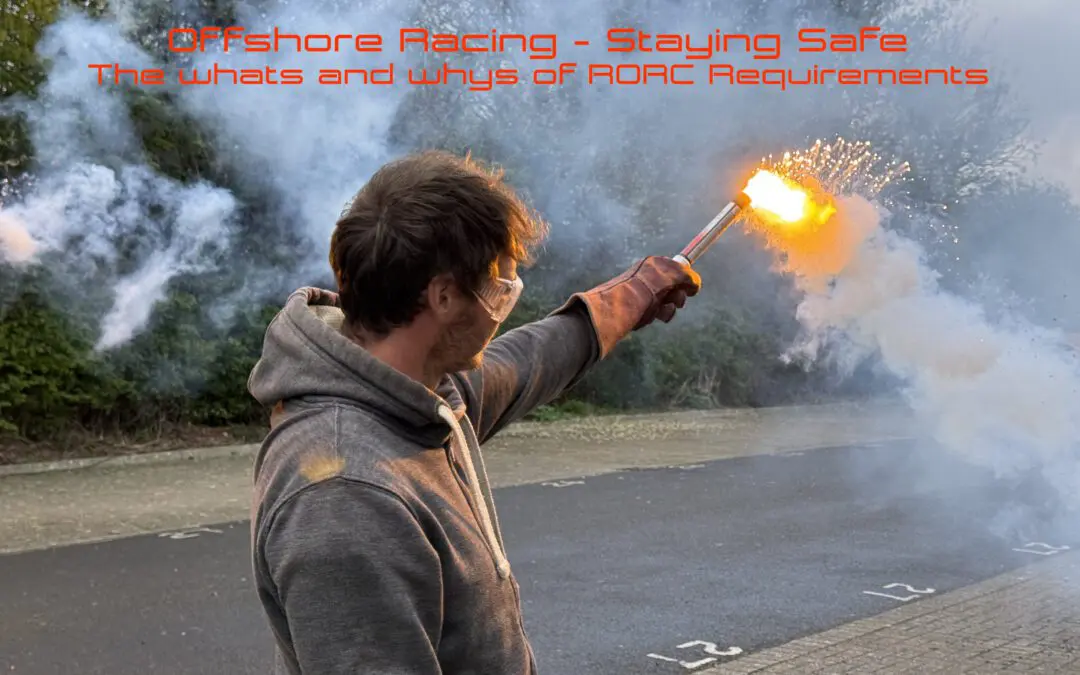
RORC Rules & the Thin Line Between Fast and Foolish: Why Racing Isn’t Cruising – And Why Preparation Matters
Racing is fundamentally different from cruising, not just in pace, but in mindset, risk, and intensity.
While cruisers can pick their weather windows, slow down, or even bail out altogether, racers commit to going, almost regardless. Once the start gun fires, it's not just about making it around the course - it's about doing it faster than everyone else. And that’s where things can get serious.
Most crews in offshore races like the Fastnet aren’t just sailing, they’re pushing their boats and crews to the edge of their performance envelopes. Sail changes happen at full speed in rough conditions. Sleep is minimal. Weather and routing decisions are often taken for gain, not comfort. The competitive streak kicks in, and suddenly the boat is being pushed harder, longer, and in conditions that would make any cruiser reef down or turn back.
It’s in those high-pressure, high-speed moments that things can unravel quickly. Gear failures, fatigue-induced mistakes, misjudged manoeuvres, they all become more likely when you're pushing for position. And let’s face it, most racers get a buzz from that edgy adrenaline kick…That’s why the Royal Ocean Racing Club (RORC) puts such emphasis on preparation: offshore safety courses, proven sea miles, equipment compliance, and rigorous crew training. These aren’t just hoops to jump through, they’re essential safeguards when ambition overrides caution.
You have to be in it (and stay in it) to win it!
Winning should never come at the cost of safety. Pushing the boat and crew beyond reasonable limits is counter-productive. You can’t win a race if you break it, or exhaust your crew into poor decisions. Good seamanship is about knowing how far to push and having the discipline to back off when the line between brave and reckless starts to blur.
In short, competitive offshore racing demands a different approach than cruising, one that balances aggression with respect for the sea, and winning with wisdom.
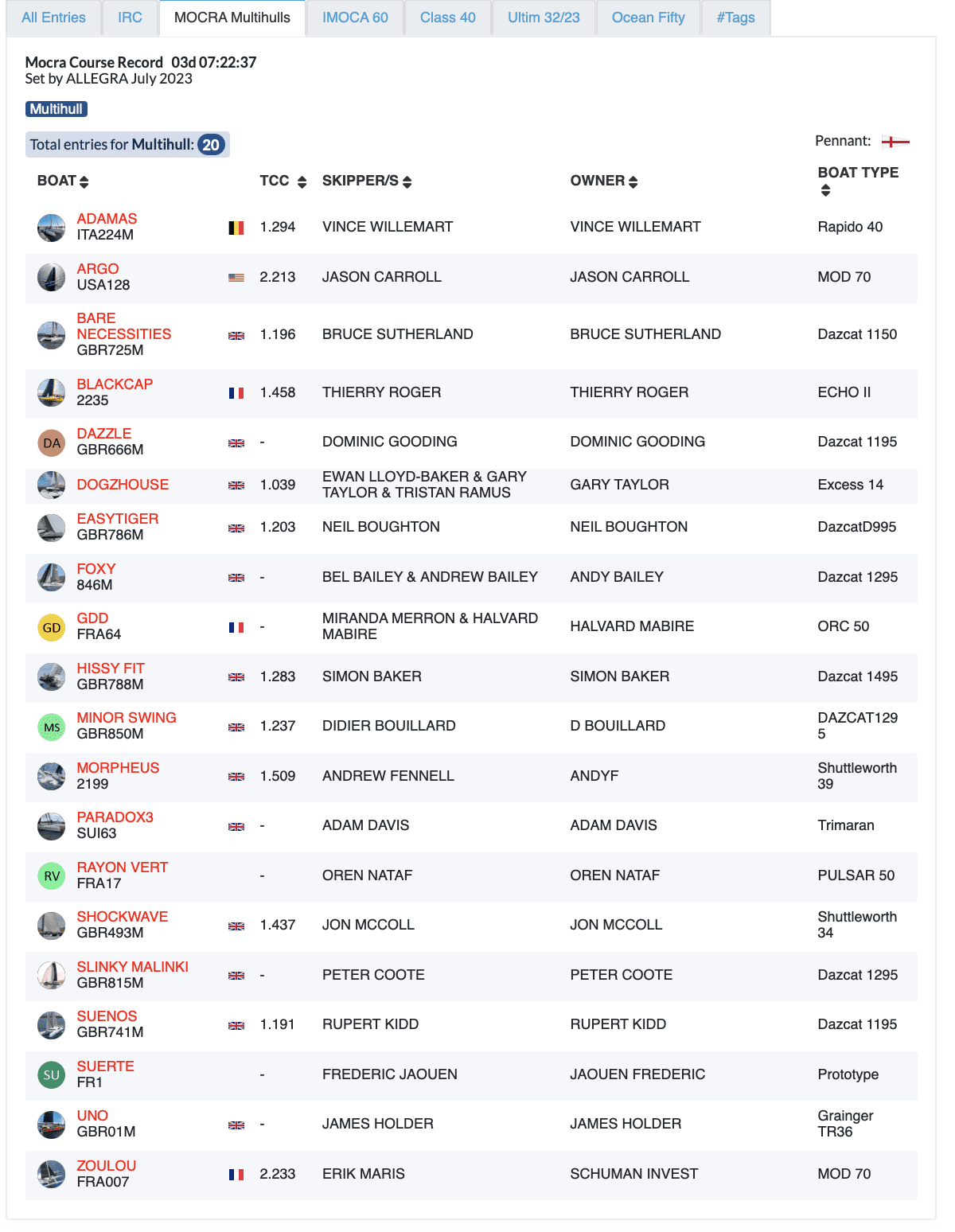
Our last post focused on how RORC didn't allow Fastnet multihull entries until as late as 1997 for fear they couldn't maintain safety. This year 20 Multihulls are entered so far in the 2025 RORC Fastnet Race. Ten of those are Multihull Centre boats.
Origins of the Stringent Requirements
The Royal Ocean Racing Club (RORC) enforces rigorous entry requirements for the Rolex Fastnet Race to ensure the safety of participants in this demanding offshore event. These measures are largely a response to the tragic 1979 Fastnet Race, where a severe storm led to the loss of 15 lives and (allegedly) the largest peacetime rescue operation in British history at that time.
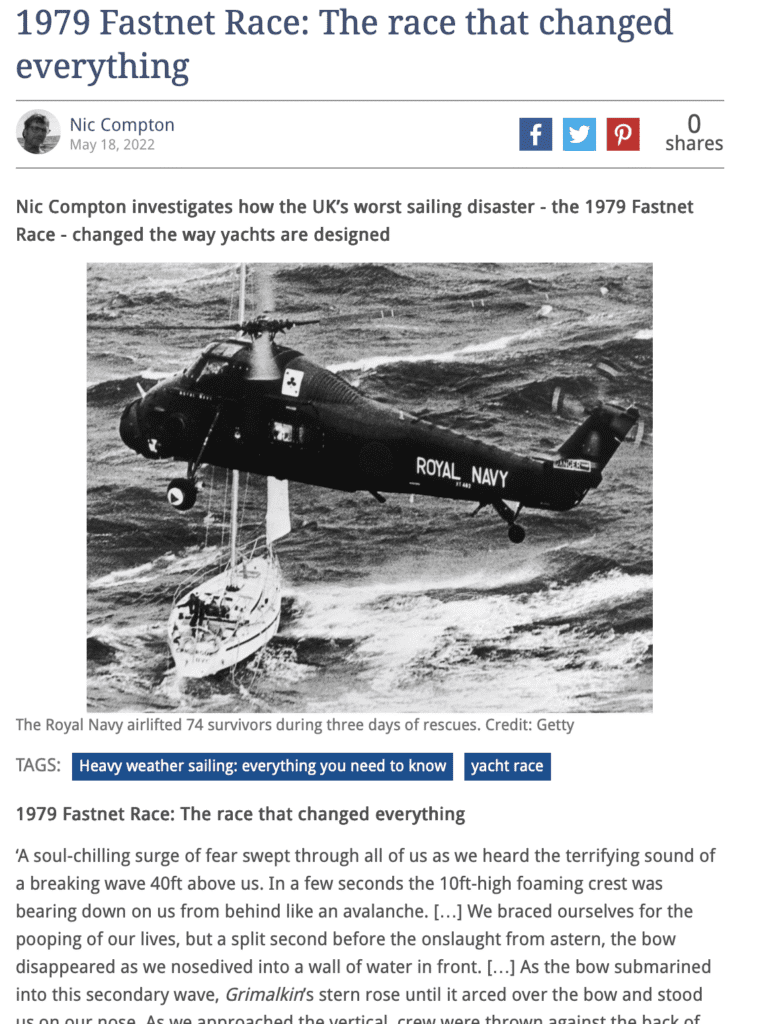
Click image to read in full: A great write up of that tragic event, its lasting legacies and those that are in danger of being forgotten. By Nic Compton, Yachting Monthly
The 1979 disaster highlighted significant shortcomings in yacht design, safety equipment, crew preparedness, and weather forecasting. In its aftermath, the RORC and the Royal Yachting Association conducted a comprehensive inquiry, resulting in recommendations that have since shaped offshore racing protocols.
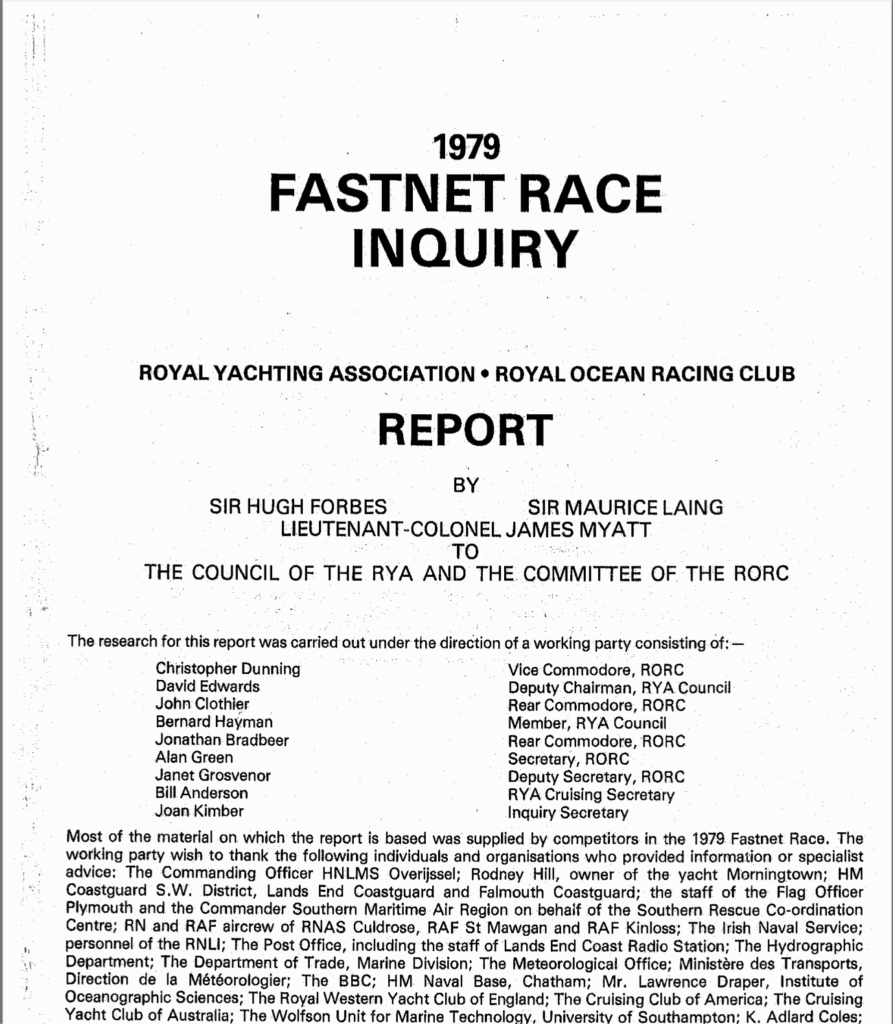
You can read the full report by clicking on the image.
Key Entry Requirements for the Fastnet Race
Offshore Experience: At least 50% of the crew, including the skipper, must have completed a minimum of 300 nautical miles in RORC offshore races on the entered boat within the 12 months preceding the Fastnet Race.
Six of the Dazcats entered chose to do their qualifier together. Two others did it at the same time but on a different race. The point behind doing the qualifier was certainly well made on the weekend we chose for it, as can be seen in the video below.
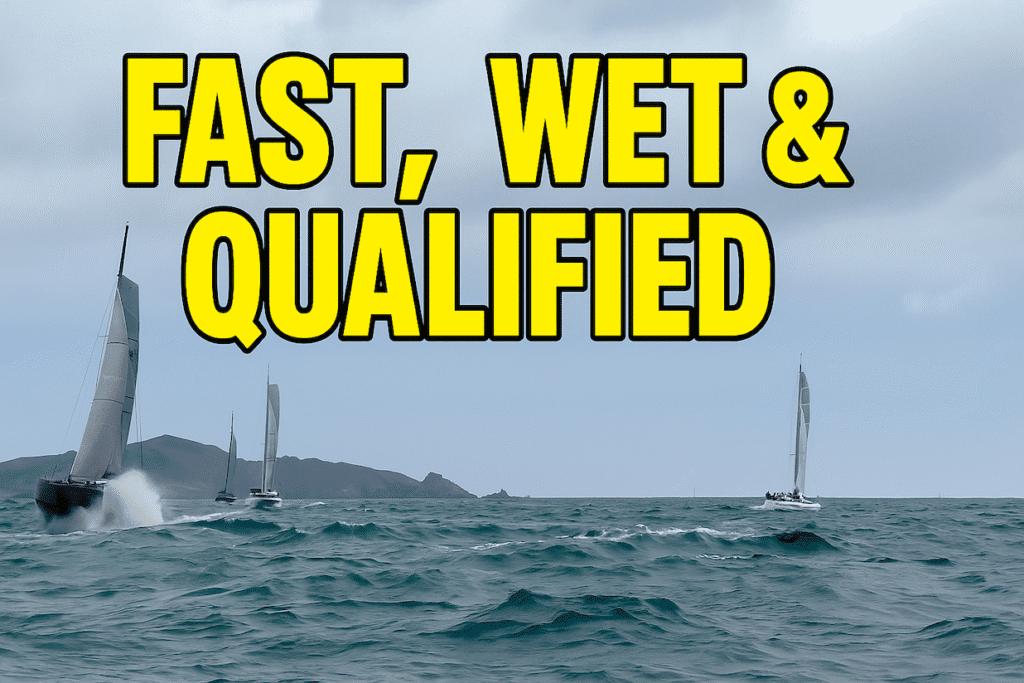
While for some, having to do the qualifier might seem a bit of a drag, there is no doubt it is an essential part of preparation.
Safety Training:
A minimum of 30% of the crew, including the Person in Charge, must have completed the World Sailing Offshore Personal Survival Course within five years of the race start.
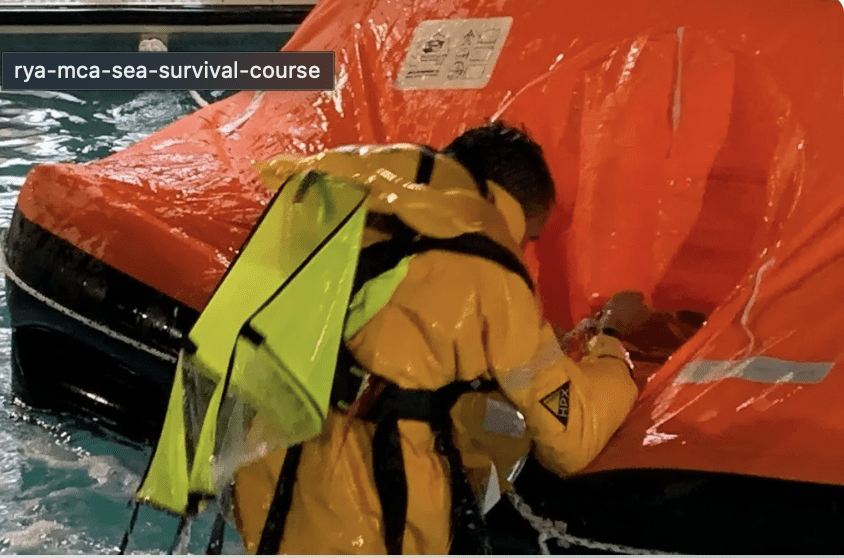
Several of the Multihull Centre crews chose to do their five year top up with Chieftan Training in Southampton. We agreed that it is invaluable to experience how horrific it would be to have to use a liferaft 'in anger'. The training reminds us all of the grim realities and how to do all we can to avoid them.

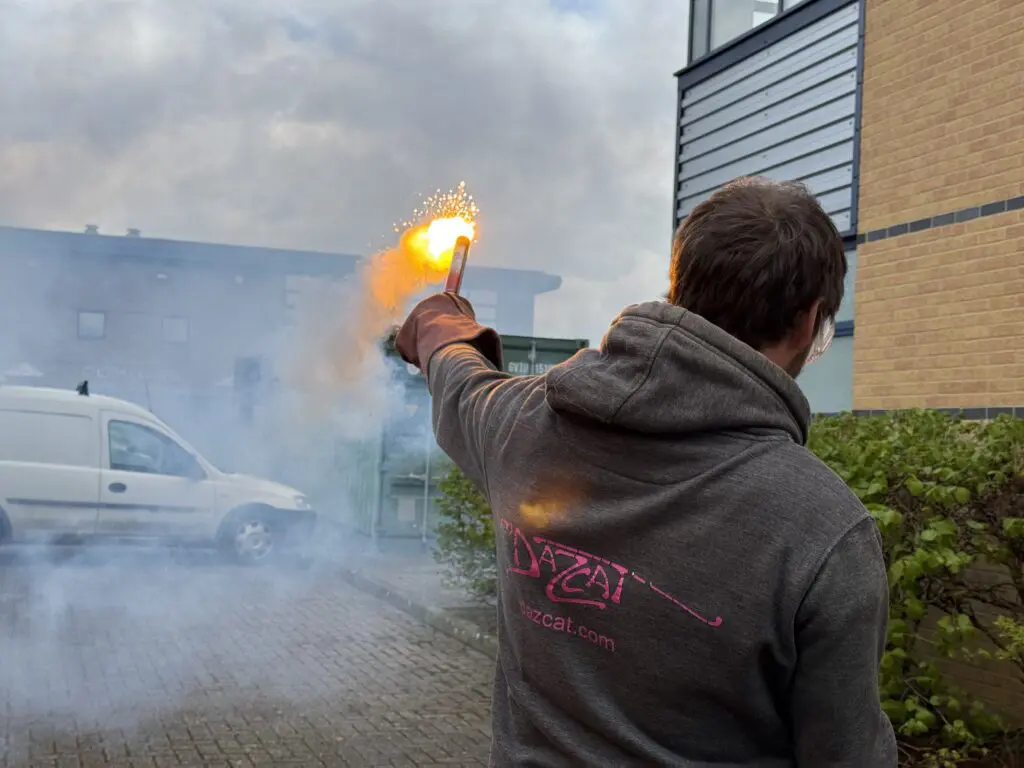
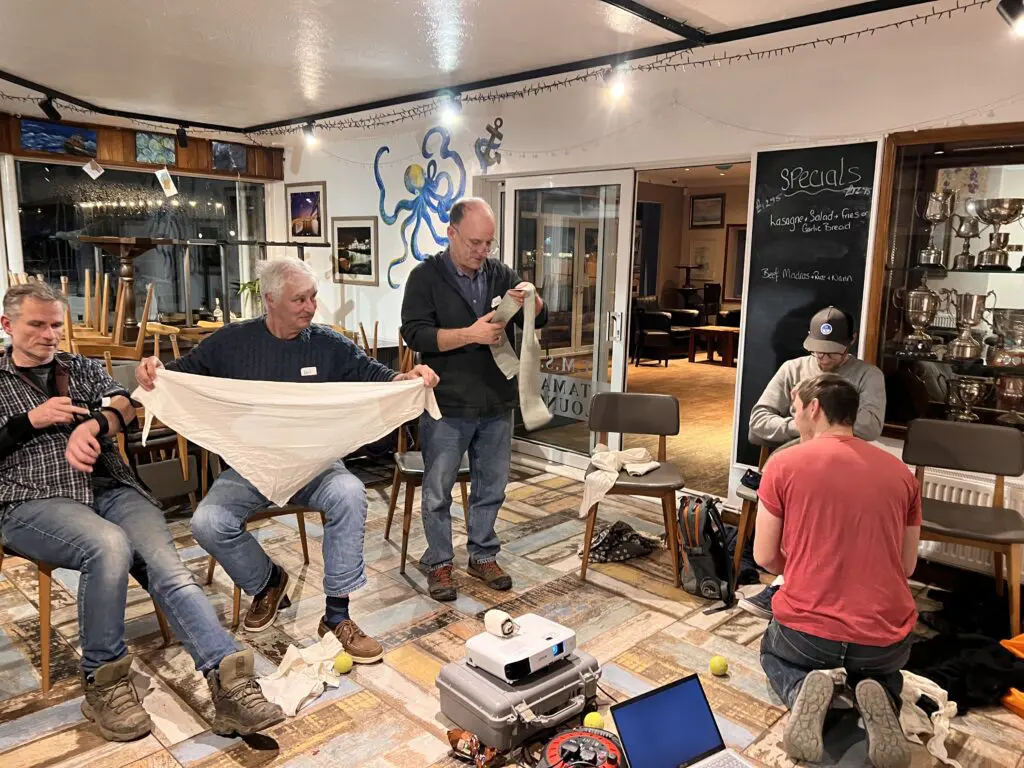
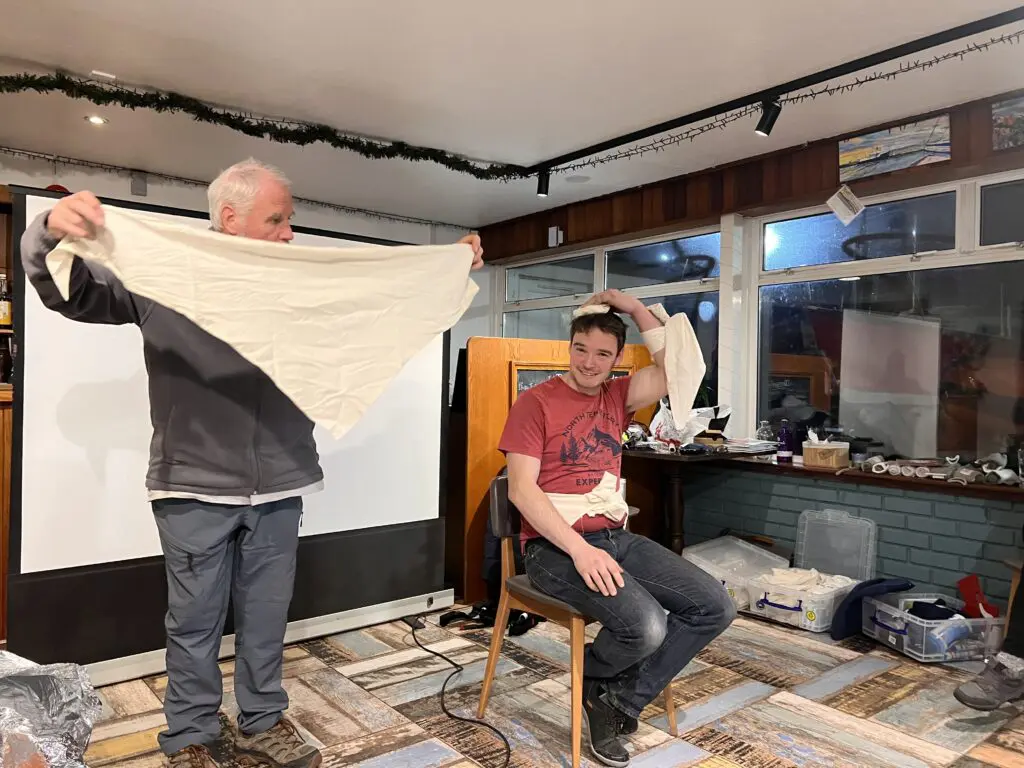
At least one crew member must hold a valid First Aid Certificate obtained within the last five years.
Many of the local crews chose to do their RYA 1st Aid Training with Kernow Training, a local provider. Once again, the experience and knowledge could prove lifesaving.
Many of the Multihull Centre boats have well over the minimum crew numbers trained up in all the above.
Boat Stability and Safety Standards:
Boats must meet specific stability criteria, such as a minimum STIX (Stability Index) an AVS (Angle of Vanishing Stability), depending on the vessel's age and design.
Equipment Compliance: Yachts are required to carry safety equipment in accordance with the World Sailing Offshore Special Regulations, including life rafts, flares, emergency communication devices and much more.
Crew Lists and Emergency Contacts: Detailed crew information, including emergency contact details, must be submitted through the RORC's SailRaceHQ system before the race.
The checklist is huge and demonstrates the level of detail required to prepare for this race.
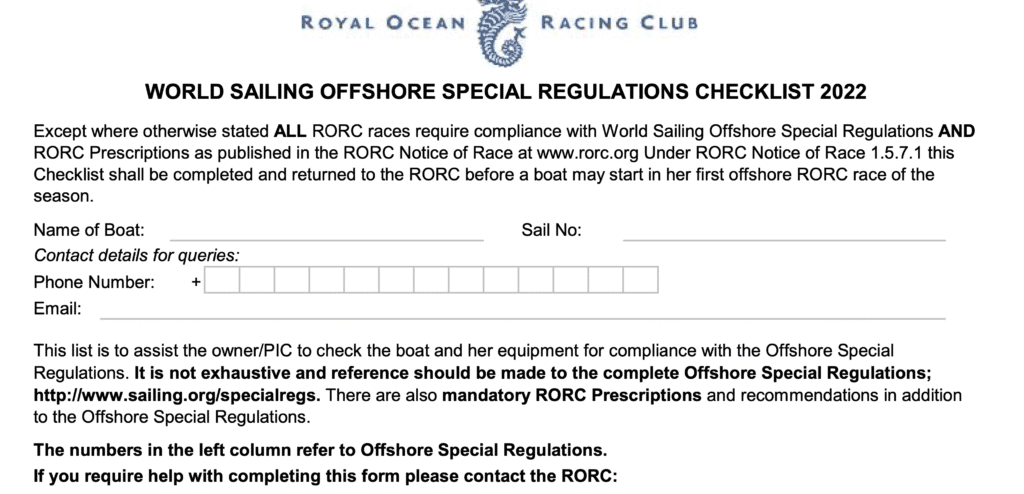
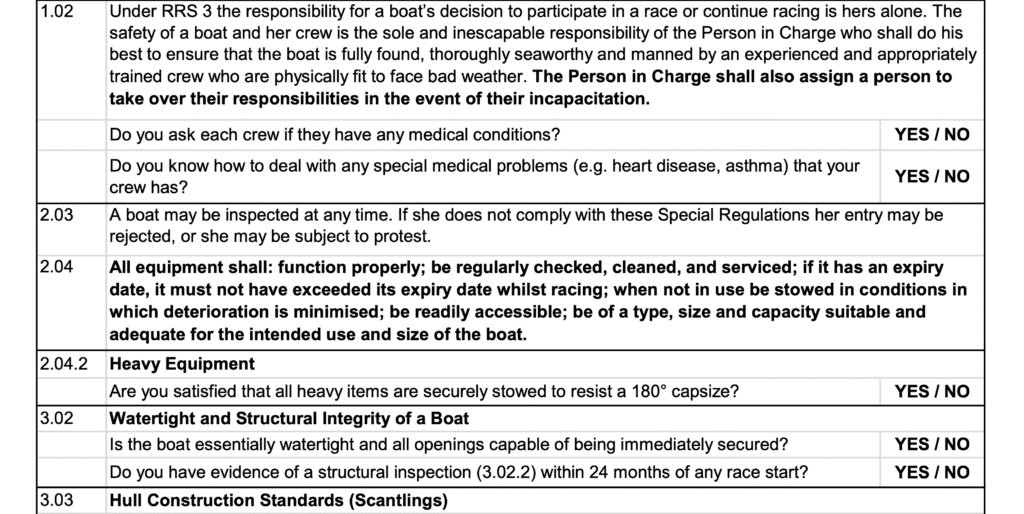
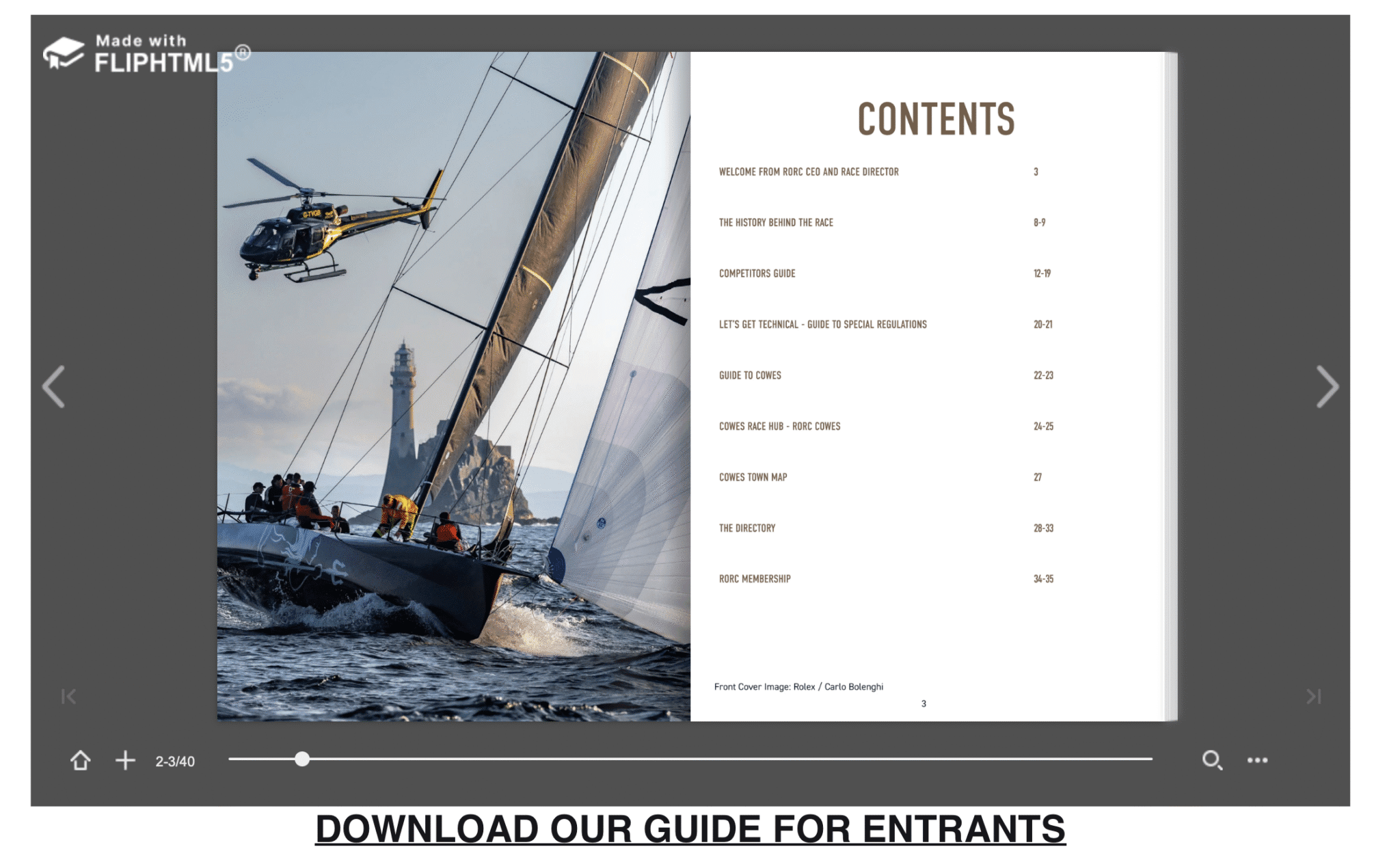
RORC Entrant's Guide to the Fastnet Race
For more detailed information on the current entry requirements and safety protocols, you can visit the official Rolex Fastnet Race website.
To Summarise - The qualifying requirements serve the purposes below:
Demonstrate Competence:
The qualifier proves that crews have a certain level of offshore racing experience, including night sailing and operating with little sleep, navigating challenging courses and dealing with various conditions.
Focus on Safety:
The RORC aims to ensure that race crews and boats are prepared for the potential risks and demands of offshore racing, enhancing safety at sea.
Maintain RORC Standards:
Helps maintain RORC's high standards and reputation as a leading authority in offshore racing.
Provide Experience:
The qualifying requirements allow members to gain valuable experience in offshore racing, further improving their skills and knowledge.
Next up in our pre-Fastnet Blog Series
The history of Dazcats in the race - or at least as much as we can remember!
Followed by boat and crew profiles.
Watch This Space!
We will be bringing you news and profiles of our boats as the countdown begins...
Recent Comments